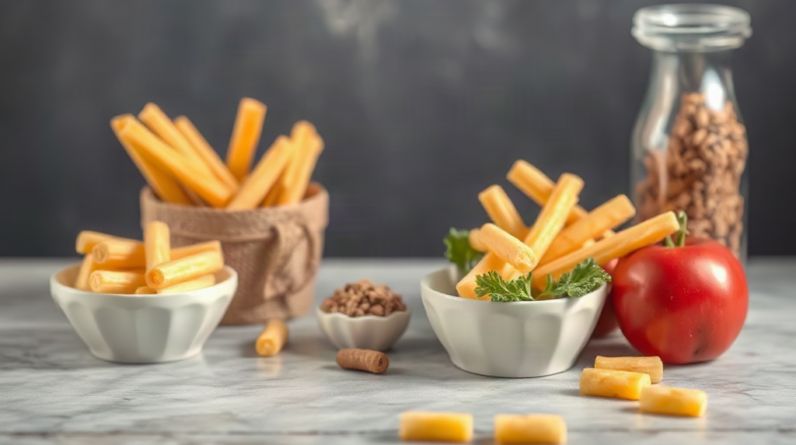

Understanding the root causes of inflammation is crucial for effective management. Chronic inflammation can arise from several factors including poor diet, lack of exercise, and high-stress levels. By prioritizing anti-inflammatory foods and healthy lifestyle practices, individuals can mitigate these contributing factors and enhance their overall well-being. It’s essential to recognize that while dietary changes can have substantial benefits, they should be part of a comprehensive approach to health.
Additionally, individuals often overlook the importance of hydration and sleep in controlling inflammation. Drinking enough water and ensuring adequate rest can support the body’s natural healing processes. Prioritizing these aspects, along with the right foods and activities, creates a well-rounded strategy for reducing inflammation.
Understanding Inflammation and Its Impact
Inflammation is a natural response of the body to injury or infection, but when it becomes chronic, it can lead to various health issues. Chronic inflammation is linked to conditions such as heart disease, diabetes, and autoimmune disorders. Recognizing the signs of inflammation, such as persistent pain, fatigue, and swelling, is the first step in addressing it effectively.
To combat chronic inflammation, it’s vital to understand the triggers that may exacerbate it, such as processed foods, sugary beverages, and sedentary lifestyles. By making informed choices about diet and activity, individuals can significantly reduce their risk of inflammation-related health problems. Prioritizing whole, nutrient-dense foods over processed options is a key strategy.
Moreover, many people underestimate the role of inflammation in their overall health. Addressing inflammation can lead to improvements in energy levels, mood, and physical performance. Recognizing the interconnectedness of diet, lifestyle, and inflammation is crucial for long-term health.
Anti-Inflammatory Foods to Include
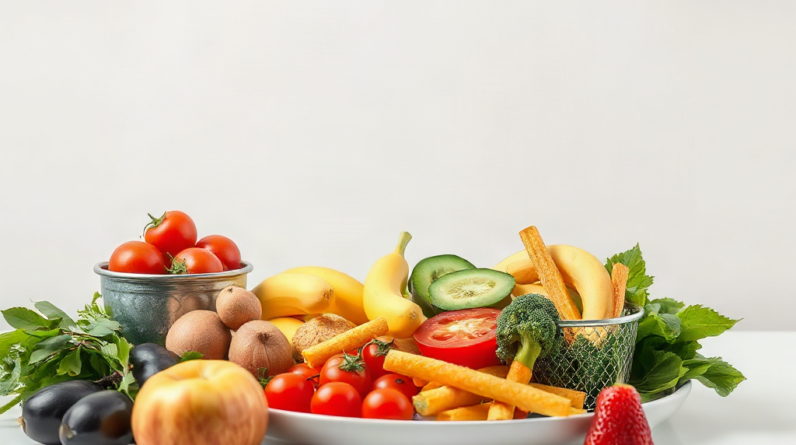
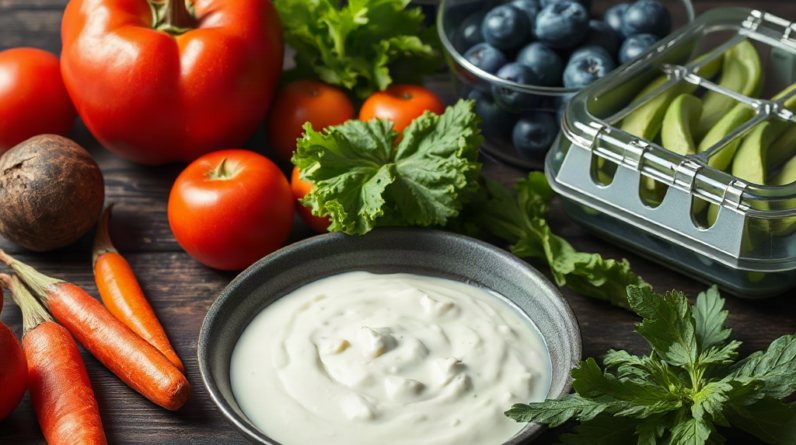
Incorporating specific foods into your diet can significantly help in reducing inflammation. Foods rich in antioxidants, such as berries, leafy greens, and nuts, combat oxidative stress and inflammation. Fatty fish, like salmon and mackerel, are excellent sources of omega-3 fatty acids that have been shown to lower inflammatory markers.
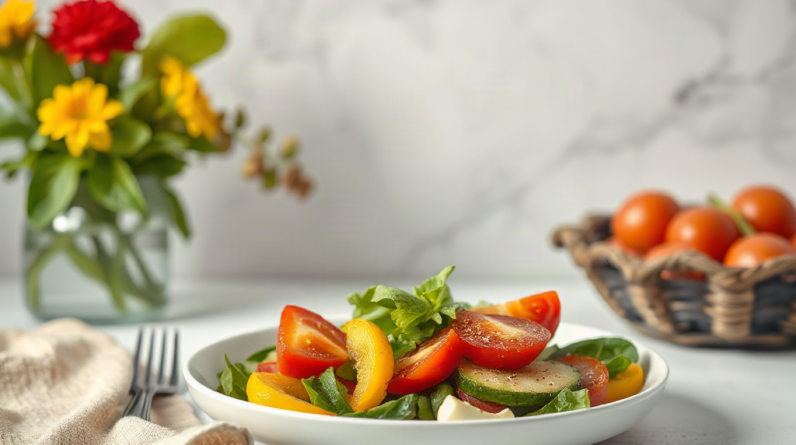
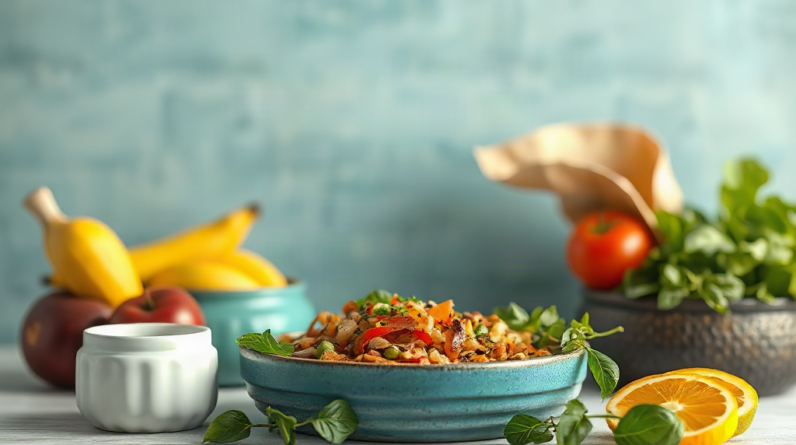
It’s also beneficial to include whole grains, legumes, and healthy fats, such as olive oil, in your meals. These foods not only provide essential nutrients but also help maintain a balanced gut microbiome, which is linked to reduced inflammation. When planning meals, focus on a colorful plate with a variety of nutrients.
Additionally, many people miss the importance of meal timing and portion sizes. Eating smaller, more frequent meals can help manage blood sugar levels and reduce inflammation. Prioritizing whole foods over processed options is essential for maximizing health benefits.
Herbs and Spices That Help
Herbs and spices are powerful allies in the fight against inflammation. Turmeric, for instance, contains curcumin, a compound known for its anti-inflammatory properties. Adding turmeric to dishes or consuming it as a supplement can provide significant health benefits.
Ginger is another potent anti-inflammatory herb that can be easily incorporated into various recipes, teas, and smoothies. Its active compounds have been shown to reduce inflammation and pain. Other beneficial herbs include garlic, cinnamon, and cayenne pepper, each offering unique health benefits and flavor enhancements to meals.
Many individuals overlook the potential of herbal remedies. However, when combined with a balanced diet, these herbs can enhance overall health and improve inflammation control. Experimenting with different herbs in cooking can also make meals more enjoyable and nutritious.
Good Health Solution is Easier Than Most People Think!
Take a Look for Yourself!
Lifestyle Changes to Reduce Inflammation
In addition to dietary changes, lifestyle modifications play a crucial role in managing inflammation. Regular physical activity is one of the most effective ways to reduce inflammation. Engaging in moderate exercise, such as walking, swimming, or yoga, can help lower inflammatory markers and improve overall health.
Stress management techniques, including mindfulness, meditation, and deep breathing exercises, are also essential. Chronic stress can exacerbate inflammation, so finding effective ways to manage stress is crucial for long-term health. Prioritizing sleep is equally important, as poor sleep quality can contribute to increased inflammation.
Moreover, many individuals fail to recognize the cumulative effect of small lifestyle changes. Making consistent, gradual changes can lead to significant health improvements over time. Focus on creating a balanced routine that incorporates physical activity, stress management, and adequate rest.
Further Reading
Authoritative Sources
- Dietary Approaches to Reduce Inflammation
ncbi.nlm.nih.govThis research discusses various dietary strategies that effectively reduce inflammation
- The Anti-Inflammatory Diet
health.harvard.eduThis article outlines the principles of an anti-inflammatory diet and its health benefits
- Herbs and Spices in the Management of Inflammation
ncbi.nlm.nih.govThis source details the effects of various herbs and spices on inflammation
Frequently Asked Questions
What are some common foods that help reduce inflammation?
Common anti-inflammatory foods include fatty fish, berries, leafy greens, nuts, olive oil, and whole grains.
How can stress impact inflammation levels?
Chronic stress can lead to increased levels of inflammation in the body, exacerbating health issues.
Is it necessary to eliminate all processed foods?
While it’s not necessary to eliminate all processed foods, reducing intake can significantly lower inflammation levels.
Can exercise really help with inflammation?
Yes, regular physical activity is proven to lower inflammatory markers and improve overall health.
How long does it take to see results from anti-inflammatory changes?
Results can vary, but many individuals notice improvements within a few weeks of making dietary and lifestyle changes.
Conclusion
Reducing inflammation is achievable through a combination of dietary choices, herbal remedies, and lifestyle modifications. Prioritizing anti-inflammatory foods, managing stress, and staying active are crucial steps in this process. By understanding the factors that contribute to inflammation and making informed choices, individuals can significantly enhance their health and well-being. Taking action now to implement these strategies can lead to lasting benefits and improved quality of life.

Good Health Solution is Easier Than Most People Think!
Take a Look for Yourself!