
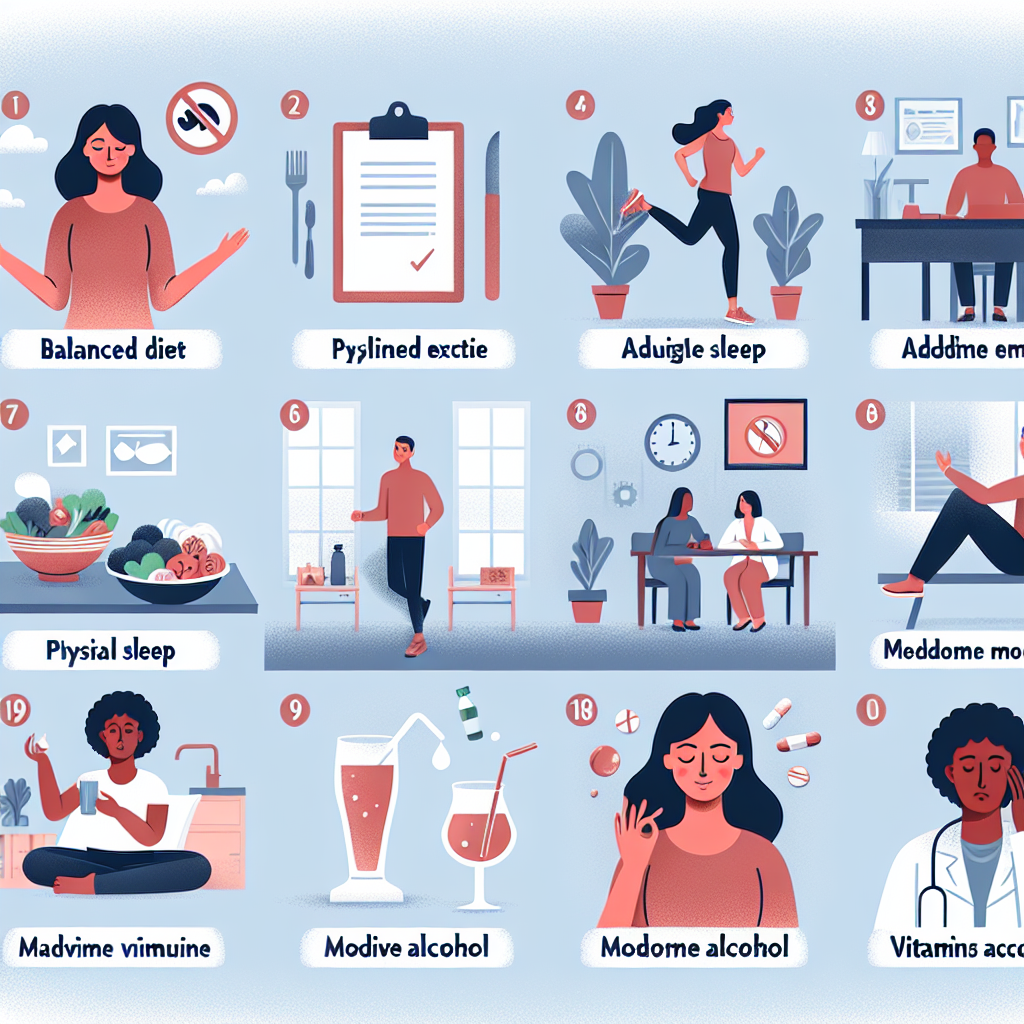
Understanding the mechanisms behind immune support can help you make informed choices. A strong immune system relies on various nutrients, such as vitamin C, vitamin D, and zinc, which play critical roles in immune response. Regular exercise boosts circulation and helps flush bacteria from the lungs, while adequate sleep allows your body to repair and regenerate, enhancing its ability to fend off illnesses. Additionally, chronic stress can weaken your immune response, making stress management techniques essential.
Many people overlook the importance of specific dietary choices and their impact on immunity. For instance, consuming too much sugar can lead to inflammation and negatively affect immune function. Prioritizing whole foods over processed options can provide the necessary nutrients without the added sugars and unhealthy fats. Incorporating a variety of foods, such as leafy greens, lean proteins, and healthy fats, can create a strong foundation for immune health.
Nutritional Foundations for Immune Support
A well-rounded diet is the cornerstone of immune support. Key nutrients like vitamin C, vitamin D, and zinc are essential for a robust immune response. Foods rich in these nutrients include citrus fruits, leafy greens, nuts, and seeds. Antioxidants found in berries and colorful vegetables also help combat oxidative stress, which can impair immune function.
Incorporating a variety of foods into your diet ensures that you receive a broad spectrum of nutrients. For example, fatty fish like salmon provide omega-3 fatty acids, known for their anti-inflammatory properties. Additionally, fermented foods such as yogurt and kefir contain probiotics that can enhance gut health, which is closely linked to immune function. Balancing your plate with macronutrients—carbohydrates, proteins, and fats—can also promote overall health.
Many individuals make the mistake of following trendy diets that eliminate entire food groups, potentially leading to nutrient deficiencies. Instead, aim for diversity in your meals and focus on whole, unprocessed foods. Prioritizing nutrient-dense options will support your immune system effectively.
The Role of Physical Activity
Regular physical activity is crucial for maintaining a healthy immune system. Exercise enhances circulation, which helps transport immune cells throughout the body, enabling them to respond more effectively to pathogens. Moderate-intensity activities like brisk walking, cycling, or swimming can significantly boost immune health.
Engaging in physical activity also reduces stress hormones and promotes the production of endorphins, which can improve mood and overall well-being. However, it’s important to strike a balance; excessive exercise can lead to immune suppression, particularly in athletes. Aim for at least 150 minutes of moderate exercise per week to reap the benefits without overdoing it.
Many people underestimate the importance of consistency in their exercise routines. Setting realistic goals and incorporating enjoyable activities can help you stay committed to regular physical activity. Remember that even small amounts of movement throughout the day can contribute to your overall immune health.
Importance of Sleep and Stress Management
Sufficient sleep is vital for immune function. During sleep, the body undergoes various processes that help repair and regenerate, including the production of immune cells. Adults should aim for 7-9 hours of quality sleep each night to support their immune system effectively.
In addition to sleep, managing stress is equally important. Chronic stress can lead to elevated cortisol levels, which can suppress immune function and increase susceptibility to illness. Incorporating stress-reduction techniques such as mindfulness, meditation, or yoga can enhance your overall immune response.
Many individuals overlook the cumulative effects of poor sleep and unmanaged stress on their health. Prioritize creating a sleep-friendly environment and establish a consistent bedtime routine. Additionally, find stress-relief methods that resonate with you, as managing stress can have a profound impact on your immune health.
Good Health Solution is Easier Than Most People Think!
Take a Look for Yourself!
Common Mistakes to Avoid
Several common mistakes can hinder immune support efforts. One major pitfall is neglecting hydration; water is crucial for maintaining bodily functions, including immune responses. Aim to drink sufficient water throughout the day, especially during physical activity or hot weather.
Another mistake is relying on supplements without addressing dietary needs. While supplements can help fill gaps, they cannot replace the benefits of whole foods. Focus on obtaining nutrients from a well-balanced diet first, and consult with a healthcare professional before starting any supplementation.
Many people also underestimate the importance of regular health check-ups. Monitoring health markers and discussing concerns with a healthcare provider can help identify potential issues early on. Prioritize preventive care to support your immune system effectively.
Further Reading
Authoritative Sources
- Centers for Disease Control and Prevention (CDC)
cdc.govThe CDC provides comprehensive guidelines on maintaining a healthy immune system and overall well-being
- World Health Organization (WHO)
who.intWHO offers valuable resources on nutrition and its impact on health, including immune function
- National Institutes of Health (NIH)
ncbi.nlm.nih.govnih.govNIH conducts and supports research on various health topics, including the immune system and nutrition
Frequently Asked Questions
What foods are best for immune support?
Foods rich in vitamins C, D, and zinc, such as citrus fruits, leafy greens, nuts, and fatty fish, are excellent for immune support.
How much exercise should I do for optimal immune health?
Aim for at least 150 minutes of moderate-intensity exercise each week to support your immune system effectively.
How does stress affect my immune system?
Chronic stress can lead to elevated cortisol levels, which suppress immune function and increase susceptibility to illness.
Can supplements replace a healthy diet for immune support?
No, supplements cannot replace the benefits of whole foods. Focus on a balanced diet first, then consider supplements if needed.
How much sleep do I need for a healthy immune system?
Adults should aim for 7-9 hours of quality sleep each night to support optimal immune function.
Conclusion
In conclusion, supporting your immune system requires a comprehensive approach that includes nutrition, physical activity, adequate sleep, and stress management. By prioritizing a balanced diet rich in essential nutrients, engaging in regular exercise, and managing stress levels, you can enhance your immune function and overall health. Avoid common pitfalls such as neglecting hydration and relying solely on supplements. Instead, focus on making informed choices that promote a strong immune system and a healthier lifestyle.

Good Health Solution is Easier Than Most People Think!
Take a Look for Yourself!