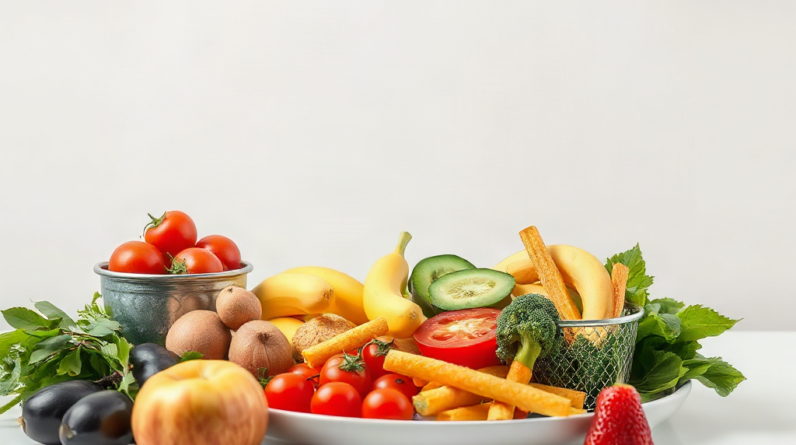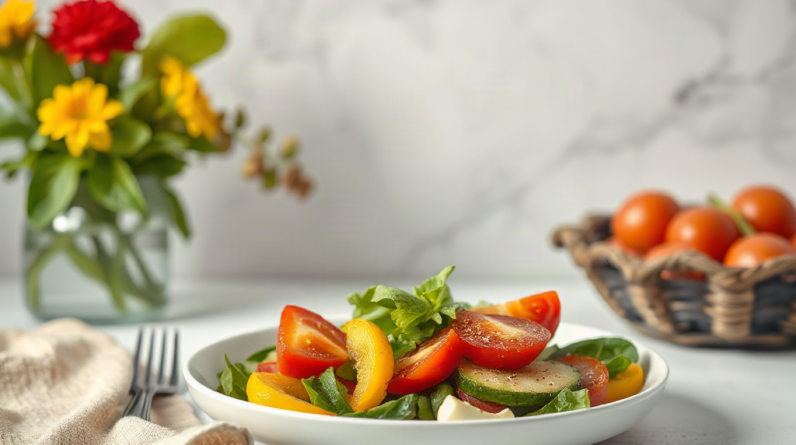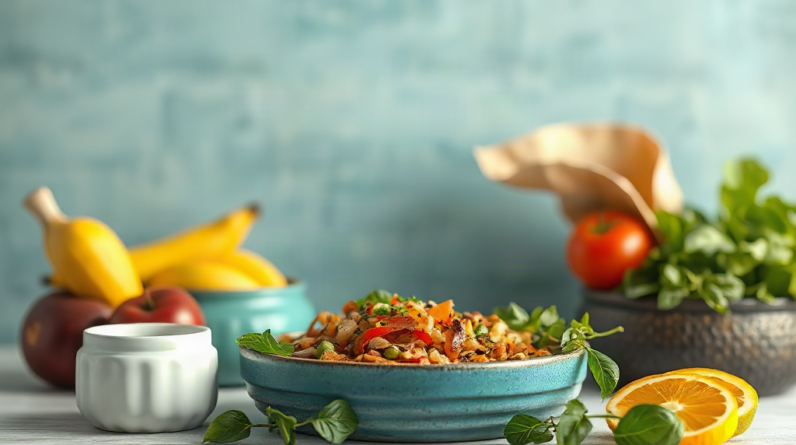
To stop eating processed foods, it’s essential to recognize their prevalence in our diets. Processed foods can range from ready-to-eat meals to snacks loaded with additives. The first step is to educate yourself about which foods fall into this category and how they can affect your health. Aiming for whole, unprocessed foods can lead to improved well-being and energy levels.
Many people struggle with this transition due to convenience and habit. The stakes are high; continuing to consume processed foods can lead to chronic health issues such as obesity, heart disease, and diabetes. Common mistakes include underestimating the impact of seemingly harmless snacks and not preparing meals in advance, which can lead to impulsive eating. Understanding these pitfalls is crucial to navigating the shift away from processed foods.
Recognizing Processed Foods
Processed foods are often defined by their ingredients and the methods used to create them. They can contain preservatives, artificial flavors, and trans fats that can be detrimental to health. The first step in reducing their consumption is to read labels carefully. Look for hidden sugars, sodium, and unhealthy fats that are common in many packaged foods.
Understanding how to identify these foods can help you make informed choices. Many consumers mistakenly believe that foods labeled as ‘natural’ or ‘organic’ are free from processing. However, these labels can sometimes be misleading. Prioritize foods with minimal ingredients and those that you can recognize. This awareness is key to making better dietary choices.
Creating a Whole Food Environment
Transforming your kitchen into a whole food environment is crucial for success. Stock your pantry and fridge with fresh fruits, vegetables, whole grains, and lean proteins. This preparation helps to eliminate the temptation to reach for processed snacks when hunger strikes.
Consider removing processed foods from your home altogether. This can be challenging but is often necessary; if they are not available, you are less likely to consume them. Focus on meal prepping and cooking from scratch, which allows you to control the ingredients and maintain a healthy diet. A well-stocked kitchen encourages healthier choices.
Meal Planning and Preparation
Effective meal planning is a game-changer when it comes to avoiding processed foods. Start by dedicating time each week to plan your meals, ensuring that you include a variety of whole foods. Consider batch cooking to save time during busy weeks, which can reduce the likelihood of reaching for quick, processed options.
Prioritize simple, nutritious recipes that can be prepared in advance. This not only saves time but also helps you stay committed to your goal of eating less processed food. Remember that flexibility is essential; if a planned meal doesn’t work out, have a backup option ready that aligns with your whole food goals.
Good Health Solution is Easier Than Most People Think!
Take a Look for Yourself!
Overcoming Cravings and Social Pressures
Cravings for processed foods can be intense, particularly in social situations or during emotional stress. Understanding the triggers that lead to these cravings can empower you to manage them effectively. Strategies such as mindfulness and finding healthier alternatives can help mitigate these urges.
When faced with social pressures to indulge in processed foods, prepare yourself with strategies to navigate these situations. Communicate your dietary choices to friends and family, and suggest healthier options when gathering. Building a supportive network can make a significant difference in your journey towards healthier eating.
Further Reading
Authoritative Sources
- Ready.gov
ready.govOfficial U.S. preparedness guidance, checklists, and planning resources for households and emergencies.
- FEMA
fema.govFederal emergency management resources, disaster planning information, and recovery guidance.
- American Red Cross Emergency Preparedness
redcross.orgPractical emergency preparation steps, supply lists, and safety guidance for families.
- National Weather Service
weather.govOfficial forecasts, hazard alerts, and weather safety information.
- CDC Emergency Preparedness and Response
cdc.govPublic health guidance for emergencies, disasters, and recovery situations.
Frequently Asked Questions
What are processed foods?
Processed foods are items that have been altered from their original form through methods such as freezing, canning, or adding preservatives.
How can I identify processed foods?
Look for ingredients with long lists, artificial additives, and preservatives on labels; these often indicate processed foods.
What are the health risks of eating processed foods?
Regular consumption of processed foods can lead to obesity, heart disease, diabetes, and other chronic health issues.
How can I manage cravings for processed foods?
Identify triggers, practice mindfulness, and have healthy snacks readily available to help manage cravings.
Is it possible to stop eating processed foods completely?
While it may be challenging to eliminate processed foods entirely, significantly reducing their intake is achievable with commitment and planning.
Conclusion
In conclusion, stopping the consumption of processed foods requires awareness, planning, and a supportive environment. Begin by recognizing processed foods and creating a kitchen filled with whole ingredients. Meal planning and preparation play crucial roles in maintaining your commitment to healthier eating. Finally, be proactive in overcoming cravings and social pressures. By prioritizing whole foods, you can significantly improve your health and well-being.

Good Health Solution is Easier Than Most People Think!
Take a Look for Yourself!