Many individuals overlook the impact of seasonal changes on their health. For example, winter often leads to reduced physical activity and changes in dietary habits, while summer can encourage outdoor activities and fresh produce consumption. Understanding these fluctuations helps prioritize health measures that align with seasonal conditions. Additionally, people’s motivation can wane throughout the year, making it essential to establish routines that remain effective regardless of external factors.
A common mistake is underestimating the importance of hydration and nutrient diversity. Many people stick to familiar foods, missing out on the benefits of seasonal produce and hydration needs that vary throughout the year. To stay healthy, it’s crucial to adapt dietary choices based on seasonal availability and personal health needs.
Nutritional Strategies for Year-Round Health
A well-rounded diet is foundational for maintaining health throughout the year. Focus on incorporating a variety of fruits, vegetables, whole grains, lean proteins, and healthy fats. Aim for a rainbow of colors on your plate, as different colors often indicate a range of nutrients. For instance, dark leafy greens are rich in vitamins A, C, and K, while berries provide antioxidants.
Prioritize seasonal foods to maximize nutrient intake and support local agriculture. For example, in summer, enjoy fresh tomatoes and cucumbers, while winter calls for hearty root vegetables. Additionally, consider meal prepping to ensure nutritious options are readily available, reducing the temptation to opt for less healthy convenience foods.
It’s important to avoid falling into dietary fads that may promise quick results but lack sustainable benefits. Instead, focus on gradual changes that can be maintained over time. For instance, instead of cutting out entire food groups, aim for moderation and balance.
The Role of Physical Activity
Regular exercise is vital for physical health and mental well-being. Aim for at least 150 minutes of moderate aerobic activity or 75 minutes of vigorous activity each week, combined with strength training on two or more days. This balance helps enhance cardiovascular health, maintain muscle mass, and supports metabolic function.
Incorporating physical activity into daily routines can be challenging, especially during busy seasons. Consider activities that can be easily integrated, such as walking or cycling to work, taking the stairs, or participating in group sports. The key is finding enjoyable activities that keep you motivated.
Many people underestimate the benefits of short, high-intensity workouts, which can be effective even within a limited time frame. Prioritize consistency over intensity; even short bursts of activity can contribute significantly to overall health when done regularly.
Mental Well-being and Stress Management
Mental health is just as crucial as physical health for staying well year round. Chronic stress can lead to various health issues, including anxiety, depression, and physical ailments. Incorporate stress management techniques such as mindfulness, meditation, or yoga into your routine to promote mental clarity and emotional resilience.
Social connections also play a vital role in mental health. Engaging with friends and family, participating in community activities, or joining clubs can foster a sense of belonging and support. These interactions can enhance mood and provide emotional outlets during challenging times.
It’s important to recognize the signs of burnout and take proactive steps to address them, such as scheduling regular breaks, prioritizing self-care, and seeking professional support when needed. Ignoring mental health can lead to a downward spiral that affects all aspects of life.
Importance of Sleep and Recovery
Quality sleep is a cornerstone of health that often gets overlooked. Aim for 7-9 hours of sleep per night to support cognitive function, emotional regulation, and physical recovery. Poor sleep can lead to increased stress levels, impaired decision-making, and a higher risk of chronic diseases.
Good Health Solution is Easier Than Most People Think!
Take a Look for Yourself!
Establish a consistent sleep schedule by going to bed and waking up at the same time every day. Create a restful environment by minimizing noise and light, and avoid screens before bedtime to improve sleep quality. Additionally, consider incorporating relaxation techniques such as reading or gentle stretching to wind down.
Recovery periods are equally important, especially after intense physical activity. Allow your body time to heal and replenish through rest days, proper nutrition, and hydration. Ignoring recovery can lead to injuries and setbacks that disrupt your health goals.
Further Reading
Authoritative Sources
- Nutrition and Healthy Eating
cdc.govThis resource provides comprehensive guidelines on nutrition and healthy eating practices
- Physical Activity
who.intA detailed overview of the benefits of physical activity and recommendations for different age groups
- Stress Management
apa.orgInsights into effective strategies for managing stress and enhancing mental well-being
- Sleep Foundation
sleepfoundation.orgA valuable resource for understanding the importance of sleep and tips for improving sleep quality
Frequently Asked Questions
What are the best foods to eat for year-round health?
The best foods include a variety of fruits, vegetables, whole grains, lean proteins, and healthy fats. Seasonal produce is particularly beneficial.
How often should I exercise to maintain good health?
Aim for at least 150 minutes of moderate aerobic activity each week, plus strength training twice a week for optimal health.
What are some effective stress management techniques?
Effective techniques include mindfulness, meditation, yoga, and engaging in social activities that foster connection.
How important is sleep for health?
Sleep is crucial for cognitive function, emotional regulation, and physical recovery. Aim for 7-9 hours per night.
What common mistakes should I avoid to stay healthy year-round?
Avoiding seasonal foods, neglecting hydration, and failing to prioritize sleep and recovery can hinder your health efforts.
Conclusion
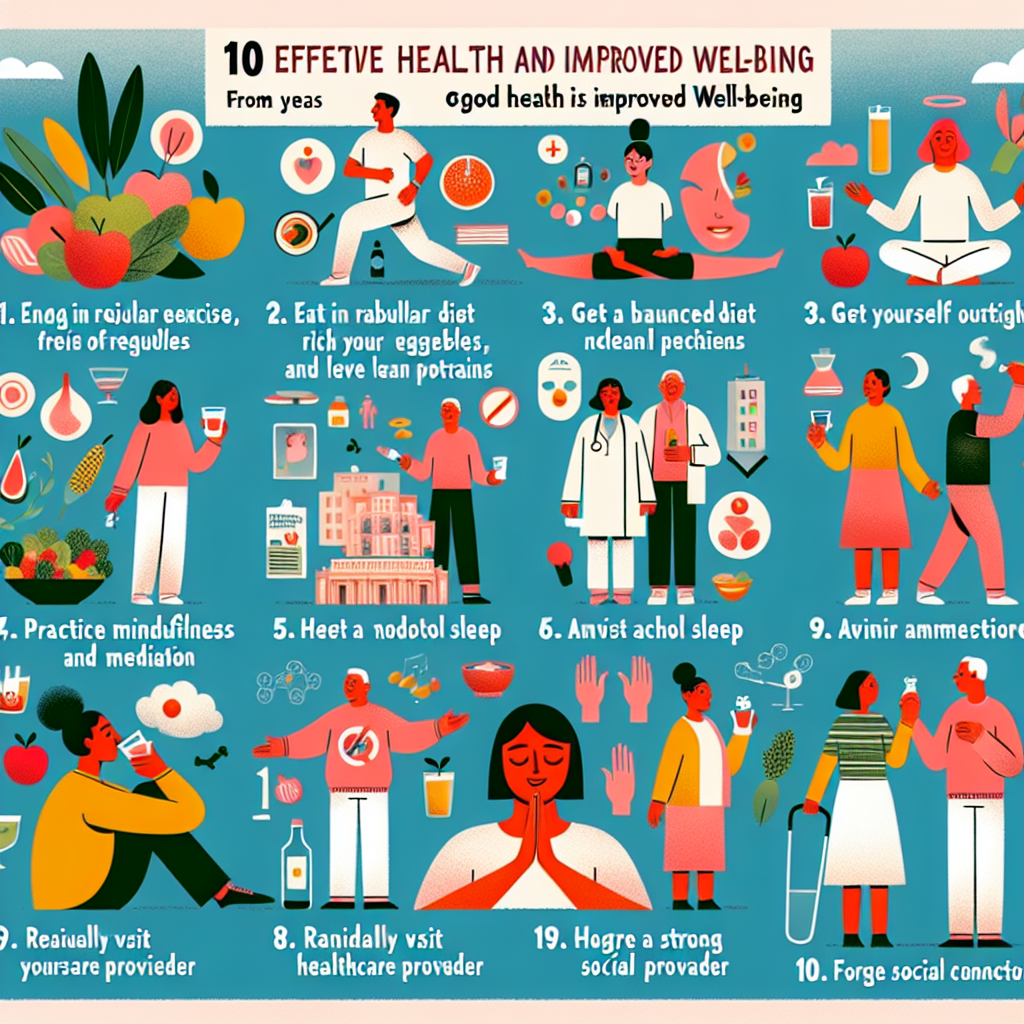
To stay healthy year round, prioritize a balanced diet rich in diversity, maintain regular physical activity, manage stress effectively, and ensure quality sleep. By implementing these strategies consistently, you can build a solid foundation for long-term health. Remember to adapt your habits to seasonal changes and focus on sustainable practices rather than quick fixes. Your health is a lifelong commitment that pays dividends in every aspect of your life.

Good Health Solution is Easier Than Most People Think!
Take a Look for Yourself!