
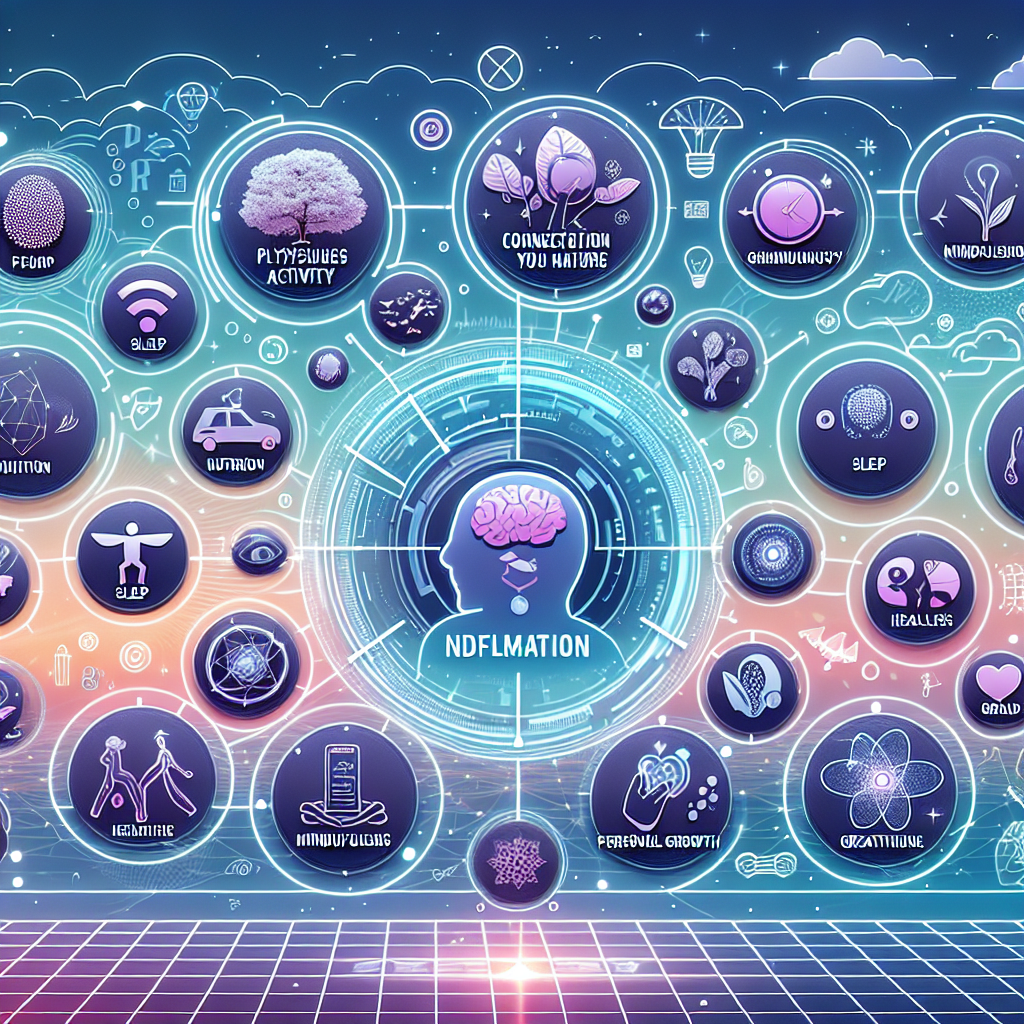
To effectively reduce fatigue, it’s essential to understand the underlying causes. Factors such as poor nutrition, lack of physical activity, dehydration, and stress can contribute to feelings of tiredness. By tackling these issues head-on, individuals can make meaningful changes to their health and energy levels.
Nutritional Strategies to Combat Fatigue
A well-rounded diet plays a crucial role in maintaining energy levels. Foods high in complex carbohydrates, proteins, and healthy fats provide sustained energy throughout the day. Incorporating foods like whole grains, lean meats, nuts, and fruits can help keep blood sugar levels stable, preventing energy crashes.
Moreover, certain vitamins and minerals, such as iron, vitamin D, and B vitamins, are essential for energy production. A deficiency in these nutrients can lead to increased fatigue. Therefore, focusing on a nutrient-dense diet is vital. Consider meal prepping to ensure you have access to healthy options and avoid the temptation of quick, processed snacks that may lead to energy dips.
The Role of Exercise in Energy Levels
Regular physical activity is a powerful tool against fatigue. Exercise boosts circulation, which increases oxygen delivery to tissues, enhancing overall energy levels. Engaging in activities like walking, cycling, or yoga can significantly uplift mood and energy.
It’s essential to find a routine that fits your lifestyle. Even short bursts of physical activity can be beneficial. For instance, a brisk 10-minute walk can invigorate you, especially during midday slumps. The key is consistency; integrating movement into your daily routine can lead to long-term energy improvements.
Hydration and Its Impact on Fatigue
Dehydration is a common yet often overlooked cause of fatigue. Water is crucial for many bodily functions, including energy production. Insufficient fluid intake can lead to decreased physical performance and increased feelings of fatigue.
To combat this, aim to drink at least 8 cups of water a day, adjusting for activity levels and climate. Carrying a reusable water bottle can serve as a reminder to stay hydrated throughout the day. Additionally, consuming water-rich foods like fruits and vegetables can contribute to your hydration needs.
Good Health Solution is Easier Than Most People Think!
Take a Look for Yourself!
Mindfulness Practices for Enhanced Energy
Incorporating mindfulness practices into your routine can significantly reduce fatigue. Techniques such as meditation, deep breathing exercises, and yoga can help manage stress, which is a common contributor to fatigue.
Setting aside just a few minutes each day for mindfulness can improve focus and clarity, leading to better energy management. Apps and online resources can guide you in developing a mindfulness practice that suits your needs. Prioritizing mental well-being is just as important as physical health in the quest to reduce fatigue.
Further Reading
Authoritative Sources
- Ready.gov
ready.govOfficial U.S. preparedness guidance, checklists, and planning resources for households and emergencies.
- FEMA
fema.govFederal emergency management resources, disaster planning information, and recovery guidance.
- American Red Cross Emergency Preparedness
redcross.orgPractical emergency preparation steps, supply lists, and safety guidance for families.
- National Weather Service
weather.govOfficial forecasts, hazard alerts, and weather safety information.
- CDC Emergency Preparedness and Response
cdc.govPublic health guidance for emergencies, disasters, and recovery situations.
Frequently Asked Questions
What are some quick ways to reduce fatigue?
Quick ways include taking short walks, drinking water, and consuming healthy snacks like nuts or fruits.
How does sleep affect fatigue?
Quality sleep is essential for energy restoration; inadequate sleep can lead to increased fatigue levels.
Are there specific foods that help with fatigue?
Foods rich in complex carbohydrates, proteins, and healthy fats, like whole grains, eggs, and avocados, can help combat fatigue.
Can stress cause fatigue?
Yes, chronic stress can lead to mental and physical exhaustion, contributing to feelings of fatigue.
How often should I exercise to reduce fatigue?
Aim for at least 150 minutes of moderate exercise each week to help improve energy levels and reduce fatigue.
Conclusion
Reducing fatigue naturally requires a multifaceted approach that includes proper nutrition, regular exercise, hydration, and mindfulness practices. By prioritizing these strategies, individuals can significantly enhance their energy levels and overall quality of life. Start with small changes and gradually incorporate more practices to find what works best for you.

Good Health Solution is Easier Than Most People Think!
Take a Look for Yourself!