
Understanding the factors that contribute to inflammation is crucial. Chronic inflammation can stem from poor diet, lack of physical activity, stress, and inadequate sleep. By recognizing these contributors, individuals can prioritize changes that will yield the most significant benefits. For instance, replacing processed foods with whole, nutrient-dense options can lead to immediate improvements in inflammation levels.
Another common mistake is underestimating the role of stress in inflammation. Chronic stress triggers inflammatory responses in the body, making stress management techniques such as meditation, yoga, or even simple breathing exercises essential for reducing inflammation. Prioritizing these elements can create a robust framework for long-term health.
The Role of Diet in Inflammation
A balanced diet rich in anti-inflammatory foods is the cornerstone of lowering inflammation daily. Foods high in omega-3 fatty acids, such as salmon and walnuts, help combat inflammation. Incorporating a variety of colorful fruits and vegetables ensures a rich supply of antioxidants, which can neutralize free radicals and further reduce inflammation.
However, not all foods are created equal. Processed foods high in sugars and trans fats can exacerbate inflammation. Therefore, it is crucial to avoid these items and focus on whole foods. Prioritizing nutrient-dense options over empty calories will lead to better health outcomes.
Moreover, individual responses to certain foods can vary. Keeping a food diary may help identify specific triggers that increase inflammation. By recognizing and eliminating these foods from the diet, individuals can experience significant relief from inflammation-related symptoms.
Physical Activity and Its Impact
Regular physical activity is vital for maintaining a healthy inflammatory response. Exercise helps reduce levels of pro-inflammatory cytokines and enhances the body’s ability to manage inflammation. Aim for a mix of aerobic and strength training exercises to maximize benefits.
While any movement is beneficial, certain types of exercise, like high-intensity interval training (HIIT), can be particularly effective in reducing inflammation. However, it is essential to find an activity that is enjoyable to ensure consistency. This commitment to regular exercise can lead to long-term reductions in inflammation.
Additionally, be mindful of overtraining. Excessive exercise without adequate recovery can lead to increased inflammation. Balancing workout intensity with rest and recovery is crucial for maintaining optimal health.
Stress Management Techniques
Stress is a significant contributor to chronic inflammation. Implementing effective stress management techniques can dramatically lower inflammation levels. Practices such as mindfulness meditation, deep breathing exercises, and yoga can help calm the mind and reduce the body’s stress response.
Incorporating regular breaks throughout the day to engage in relaxation techniques can enhance mental clarity and emotional well-being. These practices not only help manage stress but also improve the body’s resilience to inflammation.
Moreover, building a support network can also alleviate stress. Engaging in social activities and connecting with friends or family can provide emotional support and reduce feelings of isolation, which can contribute to stress and inflammation.
Importance of Sleep for Inflammation
Quality sleep is often overlooked but plays a critical role in managing inflammation. Insufficient sleep can lead to increased levels of inflammatory markers in the body. Aim for 7-9 hours of quality sleep each night to support overall health.
Good Health Solution is Easier Than Most People Think!
Take a Look for Yourself!
Create a sleep-friendly environment by minimizing light and noise, and establishing a regular sleep schedule. Engaging in relaxing activities before bed, such as reading or taking a warm bath, can also promote better sleep quality.
Additionally, avoid stimulants like caffeine and electronic devices before bedtime, as they can disrupt sleep patterns and lead to increased inflammation. Prioritizing sleep hygiene is essential for maintaining a healthy inflammatory response.
Further Reading
Authoritative Sources
- Anti-Inflammatory Diet: The Science Behind It
ncbi.nlm.nih.govThis article provides a comprehensive overview of the anti-inflammatory diet and its benefits
- Anti-Inflammatory Diet: What to Eat and What to Avoid
healthline.comA practical guide to foods that can help lower inflammation and those to avoid
- Mayo Clinic: Inflammation
mayoclinic.orgA resource discussing the causes, effects, and management of inflammation
- The Effects of Exercise on Inflammation
ncbi.nlm.nih.govResearch on how physical activity influences inflammatory markers in the body
- Healthy Sleep Habits
sleepfoundation.orgGuidance on establishing effective sleep habits for better health
Frequently Asked Questions
What are the best foods to reduce inflammation?
Foods rich in omega-3 fatty acids, such as salmon, walnuts, and flaxseeds, along with colorful fruits and vegetables, can effectively reduce inflammation.
How does stress affect inflammation?
Chronic stress triggers the release of inflammatory markers in the body, leading to increased inflammation. Managing stress is crucial for reducing its impact.
Can exercise help reduce inflammation?
Yes, regular physical activity lowers pro-inflammatory cytokines and enhances the body’s ability to manage inflammation.
How much sleep do I need to lower inflammation?
Aim for 7-9 hours of quality sleep each night to support a healthy inflammatory response.
What lifestyle changes can help reduce inflammation?
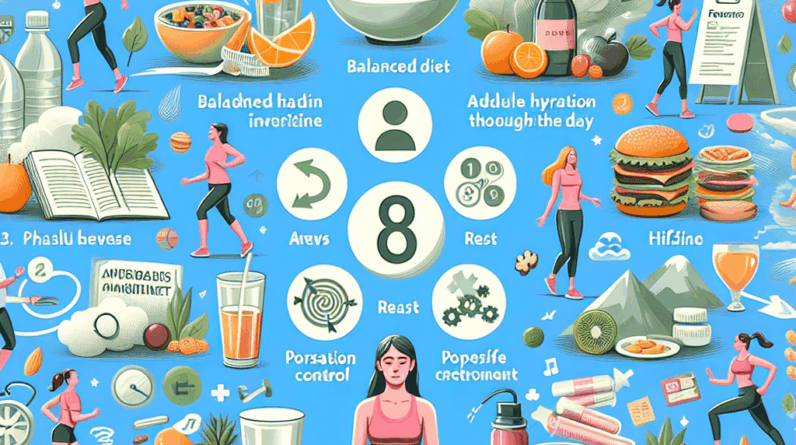
Incorporating a balanced diet, regular exercise, effective stress management, and adequate sleep can significantly lower inflammation levels.

Good Health Solution is Easier Than Most People Think!
Take a Look for Yourself!