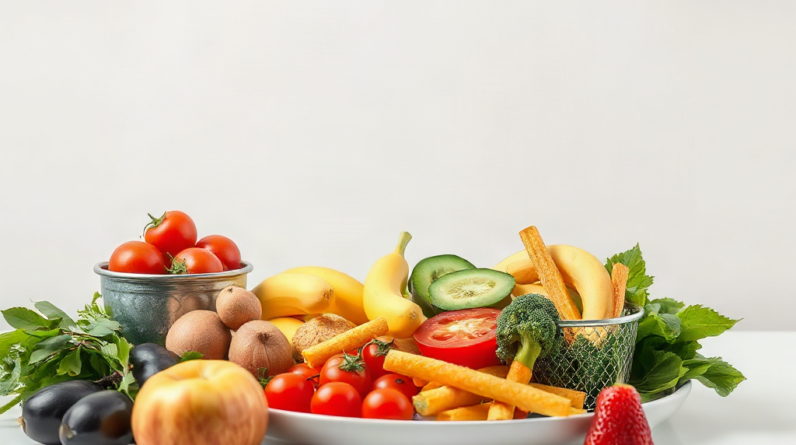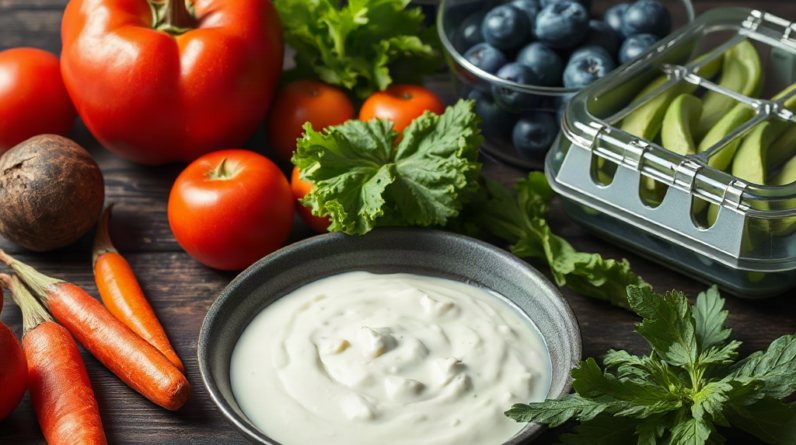
Mindful eating practices, such as paying attention to hunger cues and practicing portion control, can significantly impact your dietary choices. Taking the time to plan meals and stay hydrated is equally important, as it helps maintain energy levels and supports bodily functions.
Nutrient-dense foods are those that provide a high amount of nutrients relative to their calorie content. By incorporating these foods into your diet, you not only nourish your body but also help prevent deficiencies that can lead to health issues.
Understanding Nutrient-Dense Foods
Nutrient-dense foods are those that provide a high amount of nutrients relative to their calorie content. These include fresh fruits, vegetables, whole grains, and lean proteins. By incorporating these foods into your diet, you not only nourish your body but also help prevent deficiencies that can lead to health issues. For example, leafy greens offer vitamins and minerals essential for bone health, while whole grains provide fiber that supports digestive health.
Choosing nutrient-dense options over empty-calorie foods is vital for long-term health. This means opting for foods that offer more vitamins, minerals, and antioxidants instead of those high in added sugars and unhealthy fats. This choice can lead to improved energy levels, better weight management, and a reduced risk of chronic diseases.
The Role of Meal Planning
Meal planning plays a significant role in maintaining a healthy diet. By organizing your meals ahead of time, you can ensure that you have a balanced intake of nutrients and avoid last-minute unhealthy choices. Planning can help you incorporate a variety of foods, making it easier to meet your nutritional needs.
Additionally, meal prep saves time and reduces stress during busy weekdays. Consider dedicating a couple of hours each week to prepare your meals, which can include chopping vegetables, cooking grains, and portioning out proteins. This approach not only promotes healthy eating but also helps you stay within your budget.
Hydration and Its Importance
Staying hydrated is crucial for overall health and well-being. Water plays a key role in digestion, nutrient absorption, and temperature regulation. It’s recommended to drink at least eight 8-ounce glasses of water per day, but individual needs may vary based on activity level and climate.
Incorporating foods with high water content, such as fruits and vegetables, can also contribute to your hydration needs. For example, cucumbers, oranges, and watermelons are excellent choices that help keep you hydrated while providing essential nutrients.
Common Pitfalls to Avoid
Many individuals make dietary mistakes that can hinder their long-term health goals. Common pitfalls include skipping meals, relying on fad diets, and neglecting portion control. Skipping meals can lead to overeating later, while fad diets often lack essential nutrients and are unsustainable.
To avoid these mistakes, aim to develop a balanced eating pattern that includes regular meals and snacks. Focus on listening to your body’s hunger cues, and don’t be afraid to indulge occasionally in moderation. This balanced approach will help you maintain a healthy relationship with food and support your long-term health.
For those interested in exploring more about long-term health and nutrition, consider looking into official dietary guidelines and reputable health organizations. They provide valuable insights into maintaining a balanced diet and understanding the role of nutrition in overall well-being.
Good Health Solution is Easier Than Most People Think!
Take a Look for Yourself!
Further Reading
Authoritative Sources
- NIH Office of Dietary Supplements
ods.od.nih.govEvidence-based information on vitamins, minerals, supplements, and nutrition-related questions
- USDA FoodData Central
fdc.nal.usda.govUSDA nutrient data for foods and ingredients used in nutrition decisions
- Harvard T.H. Chan School of Public Health Nutrition Source
hsph.harvard.eduPublic health nutrition guidance and educational resources
Frequently Asked Questions
What are the best foods for long term health?
Fruits, vegetables, whole grains, and lean proteins are among the best foods for long term health, providing essential nutrients and reducing chronic disease risk.
How often should I plan my meals?
Planning meals weekly is recommended to ensure a balanced diet and help avoid unhealthy last-minute choices.
Is hydration important for health?
Yes, hydration is crucial for digestion, nutrient absorption, and temperature regulation, contributing significantly to overall health.
What are common dietary mistakes?
Common mistakes include skipping meals, relying on fad diets, and neglecting portion control, all of which can hinder health goals.
How can I improve my eating habits?
Improving eating habits can be achieved by incorporating more whole foods, practicing portion control, and planning meals ahead of time.
Conclusion
In conclusion, eating for long term health is about making informed choices that prioritize nutrient-dense foods and mindful eating practices. Focus on incorporating a variety of whole foods, planning meals ahead, and staying hydrated to support your overall health. Avoid common pitfalls like skipping meals and relying on fad diets, as these can disrupt your nutritional balance. By following these guidelines, you can cultivate a healthier lifestyle that promotes wellness and longevity.

Good Health Solution is Easier Than Most People Think!
Take a Look for Yourself!