


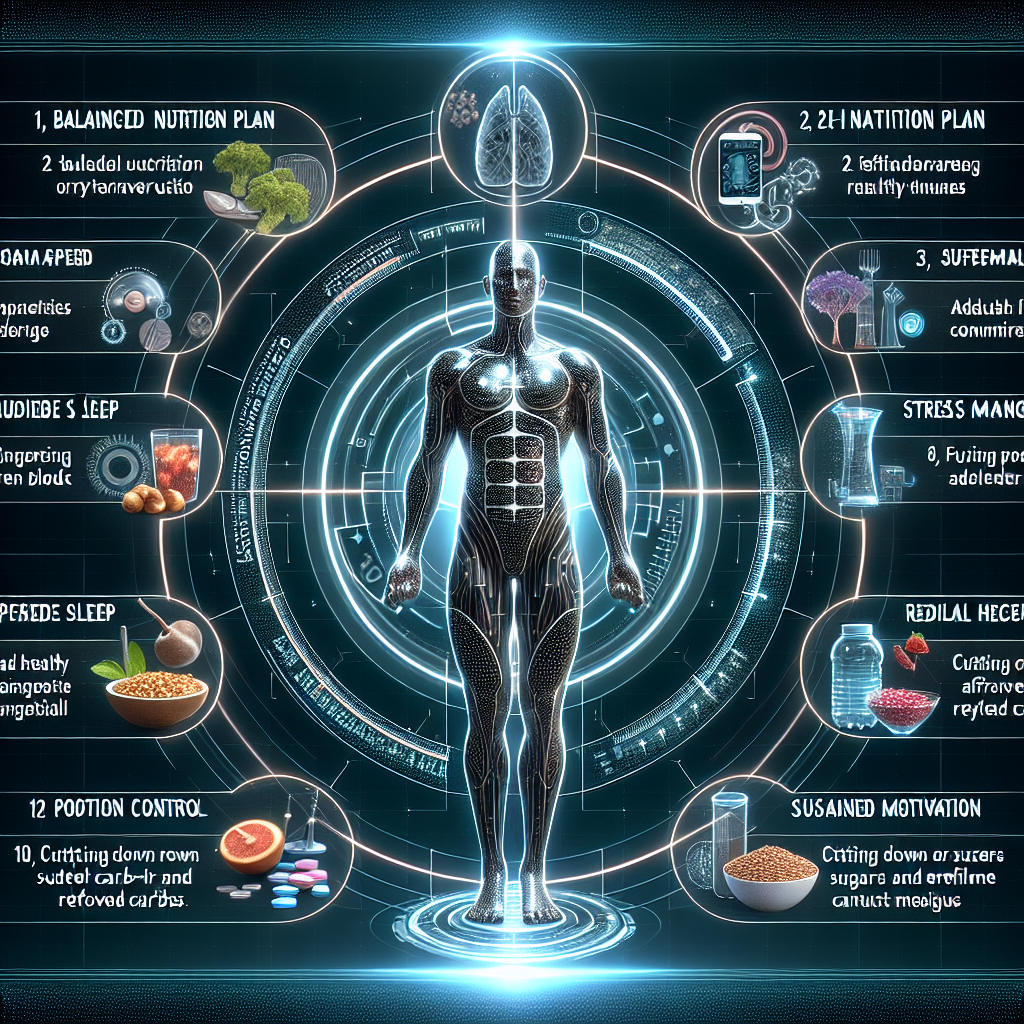
To effectively strengthen your immune system, focus on integrating nutrient-dense foods into your diet while also prioritizing regular exercise. A well-rounded approach not only fortifies your immune response but also helps mitigate the risk of chronic diseases. Common mistakes include relying solely on supplements instead of whole foods or neglecting the importance of mental well-being. Balancing these aspects is crucial for achieving optimal immunity.
Moreover, understanding the specific nutrients that bolster immunity can guide your dietary choices. Vitamin C, zinc, and probiotics are among the key players that can enhance immune responses. It’s also important to note that lifestyle factors such as stress levels and sleep quality can impact immunity. Prioritize self-care practices to maintain a healthy balance and prevent burnout.
The Role of Nutrition in Immunity
Nourishing your body with the right foods is a cornerstone of building strong immunity. Nutrient-rich foods provide essential vitamins and minerals that support immune function. Foods high in vitamin C, such as citrus fruits and bell peppers, are known to enhance the production of white blood cells, which are crucial for fighting infections.
Incorporating a variety of colorful fruits and vegetables into your meals can ensure you receive a broad spectrum of nutrients. Additionally, whole grains and lean proteins are important for overall health. Prioritize foods that are minimally processed and rich in antioxidants to combat oxidative stress, which can weaken the immune system.
It’s also wise to consider the synergy of nutrients. For example, vitamin D plays a role in modulating the immune response, and combining it with zinc can amplify its effects. Always aim for a balanced diet, and be wary of restrictive eating patterns that could lead to nutrient deficiencies.
Lifestyle Changes to Support Immune Health
Beyond diet, certain lifestyle changes can significantly bolster your immune system. Regular physical activity is one of the most effective ways to enhance immune function. Exercise promotes circulation, which allows immune cells to move more freely throughout the body.
Additionally, managing stress is crucial for maintaining a healthy immune response. Chronic stress can lead to inflammation and suppress immune function, making it vital to engage in stress-reducing activities such as yoga, meditation, or deep breathing exercises. Prioritize sleep as well; aim for 7-9 hours each night to allow your body to recover and regenerate.
Remember, consistency is key. Establishing a regular routine that incorporates physical activity, relaxation techniques, and sufficient rest will yield the best results for your immune health.
Common Mistakes to Avoid
When aiming to build strong immunity, it’s easy to fall into certain traps that can undermine your efforts. One common mistake is placing too much emphasis on supplements while neglecting whole foods. While supplements can be beneficial, they should complement, not replace, a nutrient-dense diet.
Good Health Solution is Easier Than Most People Think!
Take a Look for Yourself!
Another pitfall is overlooking the importance of hydration. Dehydration can impair immune function, so ensure you drink plenty of water throughout the day. Additionally, avoid excessive alcohol consumption, as it can weaken the immune response.
Lastly, many people underestimate the impact of social connections on immune health. Isolation can lead to increased stress and anxiety, so foster relationships and engage in community activities to support your mental well-being.
Further Reading
Authoritative Sources
- Role of Nutrition in Immune Response
ncbi.nlm.nih.govThis article discusses the critical role of nutrition in immune function and health
Frequently Asked Questions
What are the best foods for boosting immunity?
Foods rich in vitamins C, D, and zinc, such as citrus fruits, leafy greens, nuts, and seeds, are excellent for boosting immunity.
How much sleep do I need for a strong immune system?
Aim for 7-9 hours of quality sleep each night to support optimal immune function.
Can exercise really improve my immune health?
Yes, regular moderate exercise enhances circulation and boosts the immune response, making it an essential part of a healthy lifestyle.
Is stress management important for immunity?
Absolutely. Chronic stress can weaken your immune system, so practicing stress-reduction techniques is vital for immune health.
Are supplements necessary for immune support?
Supplements can help fill nutrient gaps but should not replace a balanced diet rich in whole foods.
Conclusion
Building strong immunity is a multifaceted process that requires attention to nutrition, lifestyle, and mental well-being. Prioritize a diet rich in essential vitamins and minerals, engage in regular physical activity, and practice effective stress management techniques. Avoid common pitfalls such as over-relying on supplements and neglecting social connections. By adopting these strategies, you can enhance your immune system and promote overall health.

Good Health Solution is Easier Than Most People Think!
Take a Look for Yourself!





