
Understanding the components of a healthy diet is crucial. A balanced intake of macronutrients—carbohydrates, proteins, and fats—along with essential vitamins and minerals, helps in preventing chronic diseases, managing weight, and enhancing energy levels. Common pitfalls include relying too heavily on processed foods, neglecting hydration, and skipping meals, which can lead to nutritional deficiencies or overeating later.
Moreover, adapting your food choices to your lifestyle and physical activity levels is vital. Many people underestimate the impact of meal timing, portion sizes, and food quality on their overall health. Prioritizing whole foods and planning meals can significantly improve one’s dietary habits and health outcomes.
Key Food Groups for a Healthy Lifestyle
Incorporating various food groups into your diet is essential for achieving a balanced nutritional profile. Key groups include fruits, vegetables, whole grains, lean proteins, and healthy fats. Each group plays a pivotal role in providing essential nutrients that support bodily functions, boost immunity, and enhance overall health.
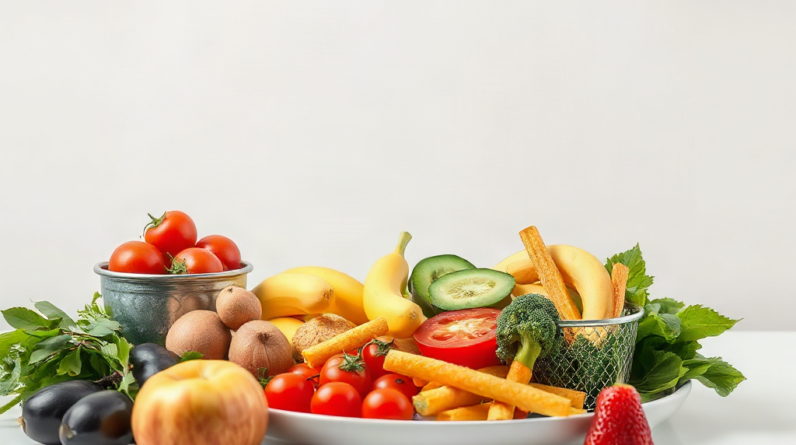
Fruits and vegetables are rich in vitamins, minerals, and antioxidants, which help combat oxidative stress and inflammation. Whole grains provide fiber, which aids digestion and promotes satiety, while lean proteins support muscle repair and growth. Healthy fats, found in foods like avocados and nuts, are crucial for brain health and hormone production. Prioritizing these food groups ensures a well-rounded diet.
It’s important to vary your food choices within these groups to maximize nutrient intake. For example, choosing different colored fruits and vegetables can expose you to a wider range of phytonutrients. Many people overlook the benefits of incorporating legumes and whole grains into their meals, which can provide additional fiber and protein.
Meal Planning Strategies for Success
Effective meal planning is a cornerstone of maintaining a healthy diet. It involves preparing meals in advance to ensure you have nutritious options readily available, reducing the temptation to opt for unhealthy convenience foods. Start by setting aside time each week to plan your meals and create a shopping list.
Consider batch cooking and portioning meals to save time during busy weekdays. This strategy not only simplifies meal preparation but also helps control portion sizes, a common challenge for many. Additionally, using a variety of cooking methods—such as grilling, steaming, or roasting—can keep meals interesting and flavorful.
One common mistake in meal planning is failing to account for your schedule. It’s essential to consider your weekly commitments and plan meals that fit seamlessly into your routine. Flexibility in meal choices can also help you adapt to cravings or unexpected changes in plans while staying aligned with your health goals.
Common Mistakes to Avoid
When striving for a healthier lifestyle, it’s easy to fall into common traps that can derail your efforts. One significant mistake is focusing solely on calorie counting rather than the nutritional quality of foods. This can lead to poor food choices that lack essential nutrients.
Another frequent pitfall is skipping meals, which often results in overeating later. Instead, aim for regular, balanced meals and snacks that include a mix of macronutrients. Additionally, many individuals underestimate the importance of mindful eating. Eating while distracted—such as during work or in front of the TV—can lead to overeating and decreased satisfaction.
Good Health Solution is Easier Than Most People Think!
Take a Look for Yourself!
Prioritizing the quality of your food over quantity is crucial. Educate yourself about the nutritional content of foods and aim to make choices that contribute positively to your overall health rather than just focusing on weight loss.
Hydration and Its Importance
Staying hydrated is a vital aspect of a healthy lifestyle that is often overlooked. Water plays a crucial role in nearly every bodily function, including digestion, nutrient absorption, and temperature regulation. Aim for a daily intake of at least eight 8-ounce glasses of water, adjusting based on activity levels and climate.
Incorporating hydrating foods, such as fruits and vegetables, can also contribute to your overall fluid intake. Be mindful of cues your body gives regarding hydration, such as feelings of thirst or dry mouth. Ignoring these signals can lead to dehydration, which can negatively impact energy levels and cognitive function.
Furthermore, many people mistakenly rely on sugary beverages for hydration, which can contribute to excess calorie consumption and negatively affect health. Opting for water, herbal teas, or infused water with fruits can provide hydration without added sugars.
Further Reading
For readers interested in exploring more about healthy eating, consider visiting reputable sources like the USDA’s MyPlate or the World Health Organization’s nutrition guidelines. These resources provide comprehensive information on balanced diets and healthy eating practices.
Further Reading
Authoritative Sources
- MedlinePlus
medlineplus.govConsumer-friendly medical and health information from the U.S. National Library of Medicine.
- National Institutes of Health
nih.govResearch-based health information and links to authoritative medical resources.
- Centers for Disease Control and Prevention
cdc.govOfficial public health guidance, prevention resources, and topic-specific recommendations.
- Mayo Clinic
mayoclinic.orgTrusted clinical guidance, symptom explainers, and treatment overviews.
- World Health Organization
who.intGlobal health guidance, fact sheets, and evidence-based public health information.
Frequently Asked Questions
What are the key components of a healthy lifestyle food guide?
A healthy lifestyle food guide includes a variety of food groups such as fruits, vegetables, whole grains, lean proteins, and healthy fats, emphasizing balanced meals and hydration.
How can I effectively plan my meals?
Effective meal planning involves setting aside time weekly to prepare meals, creating a shopping list, and considering batch cooking to save time and maintain healthy choices.
What are common mistakes to avoid when eating healthy?
Common mistakes include focusing solely on calorie counting, skipping meals, and eating mindlessly. Prioritize nutrient quality and regular meals for better outcomes.
Why is hydration important for a healthy lifestyle?
Hydration is essential for bodily functions, including digestion and temperature regulation. Aim for adequate water intake and incorporate hydrating foods into your diet.
How can I make healthier food choices?
Make healthier food choices by prioritizing whole foods, varying your diet, and being mindful of portion sizes. Educate yourself about nutritional content for informed decisions.
Conclusion
In summary, a healthy lifestyle food guide is essential for achieving optimal health and well-being. By focusing on key food groups, implementing effective meal planning strategies, and avoiding common mistakes, you can cultivate a nutritious diet that supports your lifestyle. Remember the importance of hydration and aim to make informed food choices that prioritize quality over quantity. Start today by evaluating your current eating habits and making small, sustainable changes that lead to a healthier future.

Good Health Solution is Easier Than Most People Think!
Take a Look for Yourself!