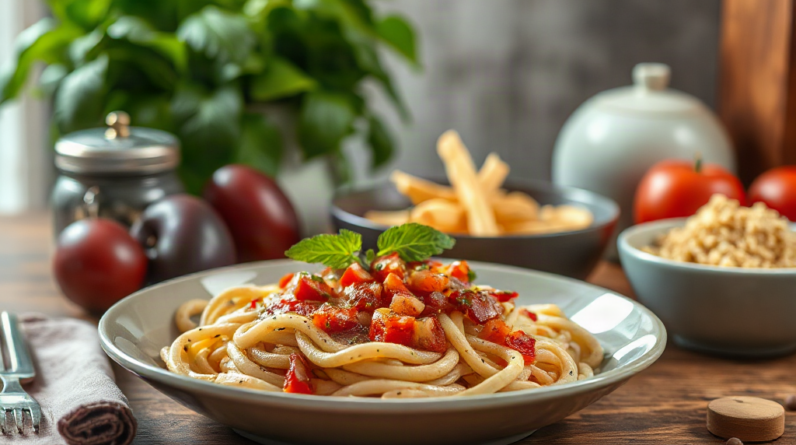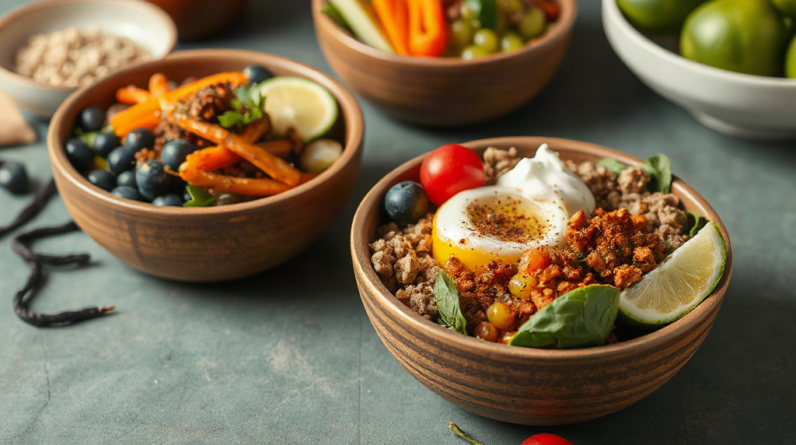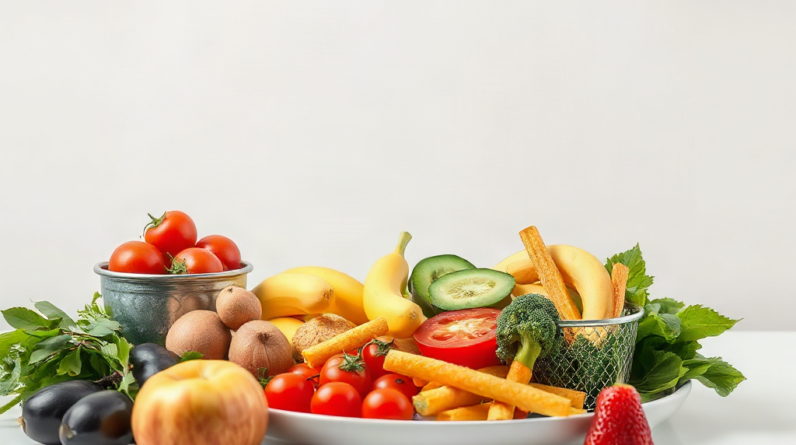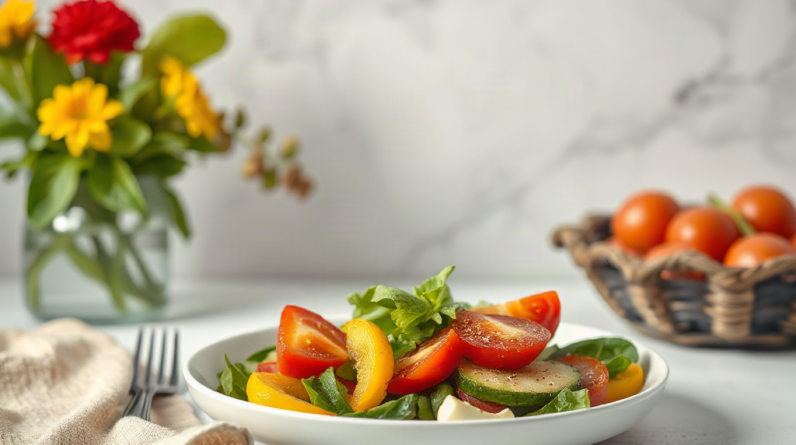

Understanding the role of specific foods in managing inflammation is crucial. For instance, fruits and vegetables are rich in antioxidants and phytochemicals that combat oxidative stress, a significant contributor to inflammation. Omega-3 fatty acids found in fish, flaxseeds, and walnuts also play a pivotal role in this dietary approach. However, it is equally important to limit or eliminate foods that can trigger or exacerbate inflammation, such as refined carbohydrates, sugars, and trans fats.
Many individuals overlook the impact of their daily diet on inflammation. For example, consuming excessive amounts of processed foods can lead to an increased inflammatory response, whereas a balanced diet rich in whole, nutrient-dense foods can help maintain a healthier inflammatory response. Prioritizing these dietary changes can lead to significant improvements in health and well-being.
The Role of Anti-Inflammatory Foods
Anti-inflammatory foods are essential for combating chronic inflammation. These foods are typically rich in antioxidants, vitamins, and minerals that help protect the body from oxidative stress and inflammation. Key examples include leafy greens, berries, nuts, and fatty fish.
Including a variety of these foods in your diet can enhance your body’s ability to fight inflammation. For instance, berries are high in flavonoids, which have been shown to reduce inflammatory markers in the body. Incorporating omega-3-rich foods such as salmon can further support this anti-inflammatory effect. However, it’s crucial to balance these foods with other dietary components to ensure overall nutritional adequacy.
Many people underestimate the cumulative effects of these foods on their health. Regularly consuming a diet rich in anti-inflammatory foods can lead to long-term benefits, reducing the risk of chronic diseases associated with inflammation. Prioritizing these foods can create a solid foundation for a healthier lifestyle.
Foods to Avoid for Reduced Inflammation
Certain foods can trigger or worsen inflammation in the body, making it essential to identify and limit them. Common culprits include processed foods, sugary beverages, and trans fats found in many fried and packaged foods.
Eliminating these foods from your diet can significantly reduce inflammation levels. For example, refined sugars and carbohydrates can spike insulin levels, leading to increased inflammation. Additionally, trans fats are known to promote inflammation and should be avoided. Understanding how these foods affect your body can empower you to make healthier choices.
Individuals often overlook the hidden sources of these inflammatory foods, such as sauces, dressings, and snacks. Being vigilant about ingredient labels and making informed choices can help you steer clear of these harmful components, ultimately supporting your health.
Meal Planning for an Anti-Inflammatory Diet
Effective meal planning is vital for maintaining an anti-inflammatory diet. This involves selecting meals that are rich in anti-inflammatory ingredients while avoiding those that can trigger inflammation.
When planning meals, aim to incorporate a variety of colors and types of fruits and vegetables to ensure a broad range of nutrients. For example, a meal could include grilled salmon, quinoa, and a side of mixed vegetables. Additionally, preparing meals ahead of time can help you avoid the temptation of processed foods when you’re short on time.
One common mistake is not being prepared with healthy snacks. Having readily available anti-inflammatory snacks, such as nuts or fresh fruit, can prevent unhealthy choices when hunger strikes. Planning your meals and snacks can significantly enhance your dietary success.
Lifestyle Factors That Influence Inflammation
While diet is crucial, other lifestyle factors also play a significant role in managing inflammation. Regular physical activity, adequate sleep, and stress management are key components of an anti-inflammatory lifestyle.
Good Health Solution is Easier Than Most People Think!
Take a Look for Yourself!
Engaging in regular exercise can reduce inflammation by promoting circulation and reducing body fat, which is linked to higher inflammation levels. Additionally, prioritizing sleep is essential, as inadequate rest can lead to increased inflammatory markers in the body. Managing stress through mindfulness practices or physical activity can also support reduced inflammation.
Many individuals underestimate the interconnectedness of these lifestyle factors. For instance, poor sleep can lead to increased stress, which may exacerbate inflammation. Recognizing and addressing these factors holistically can lead to more effective management of inflammation.
Further Reading
Authoritative Sources
- The Anti-Inflammatory Diet: A Review
ncbi.nlm.nih.govThis article provides a comprehensive overview of the anti-inflammatory diet and its effects on health
- The Inflammation Diet
health.harvard.eduHarvard Health discusses dietary strategies to reduce inflammation and enhance overall health
- Dietary Approaches to Reduce Inflammation
ncbi.nlm.nih.govThis research highlights various dietary approaches that can effectively reduce inflammation
- Inflammation and Your Diet
mayoclinic.orgThe Mayo Clinic provides insights into how diet affects inflammation and healthy eating tips
Frequently Asked Questions
What are the best anti-inflammatory foods?
Best anti-inflammatory foods include fatty fish, leafy greens, berries, nuts, and olive oil.
How does sugar affect inflammation?
Sugar can increase inflammation by promoting insulin resistance and triggering inflammatory responses.
Can exercise reduce inflammation?
Yes, regular exercise can help reduce inflammation by promoting better circulation and reducing body fat.
What lifestyle changes can help manage inflammation?
Key lifestyle changes include eating a balanced diet, getting adequate sleep, managing stress, and exercising regularly.
Are there specific foods to avoid for inflammation?
It is best to avoid processed foods, refined sugars, trans fats, and excessive alcohol for managing inflammation.
Conclusion
In summary, adopting a healthy diet for inflammation involves incorporating a variety of anti-inflammatory foods while avoiding those that can exacerbate the condition. Prioritizing whole, nutrient-dense foods can significantly impact your overall health and well-being. Additionally, understanding the lifestyle factors that influence inflammation, such as exercise and stress management, can further enhance your efforts. Making these dietary and lifestyle adjustments can lead to lasting benefits and a healthier life.

Good Health Solution is Easier Than Most People Think!
Take a Look for Yourself!