When creating a healthy diet food list, it’s important to consider individual dietary needs, preferences, and any health conditions. For example, someone with lactose intolerance may need to seek dairy alternatives, while those with specific dietary restrictions should prioritize suitable food options. A common mistake is to overly restrict food choices, which can lead to nutrient deficiencies and make healthy eating feel like a chore. Instead, aim for a diverse range of foods that you enjoy.
Understanding portion sizes and the importance of meal timing can also enhance the effectiveness of your healthy diet. For instance, eating smaller, more frequent meals can help regulate blood sugar levels and prevent energy crashes. Additionally, planning meals ahead of time can alleviate decision fatigue and promote healthier choices. Remember to prioritize whole foods over processed options, as they tend to be more nutrient-dense.
Fruits and Vegetables
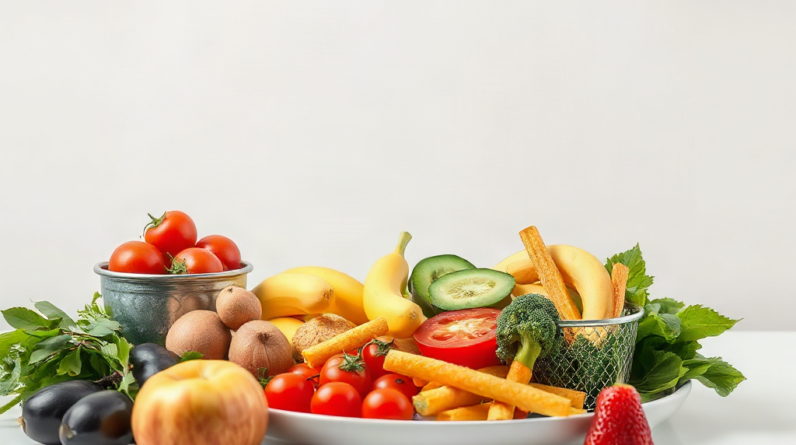
Fruits and vegetables are foundational components of a healthy diet. They are rich in vitamins, minerals, and antioxidants that support overall health. Aim for a variety of colors on your plate, as different colors often signify different nutrients. For example, leafy greens like spinach and kale are high in iron and calcium, while orange and yellow vegetables like carrots and sweet potatoes provide beta-carotene.
Incorporating more fruits and vegetables can be achieved through simple strategies like adding them to smoothies, salads, and snacks. A common pitfall is relying on fruit juices, which often lack fiber and can be high in sugar. Whole fruits and vegetables are more beneficial due to their fiber content, which aids in digestion and keeps you feeling full.
Prioritize seasonal produce, which tends to be fresher and more flavorful. Additionally, consider frozen fruits and vegetables as convenient options that retain their nutritional value. Planning meals around these foods can also help ensure they are consumed regularly.
Whole Grains
Whole grains are an important source of complex carbohydrates, which provide sustained energy. Unlike refined grains, whole grains retain their bran and germ, resulting in higher fiber content and more nutrients. Examples of whole grains include brown rice, quinoa, whole wheat bread, and oats.
When selecting grains, look for products labeled as “100% whole grain” to avoid refined options that can spike blood sugar levels. A common mistake is assuming all bread is healthy; many white breads are highly processed and lack significant nutritional value. Incorporating whole grains into meals can be as simple as swapping white rice for brown rice or choosing whole grain pasta.
Consider portion sizes as well; while whole grains are nutritious, they can still contribute to overall caloric intake. Balancing grains with adequate protein and vegetables can create satisfying and healthy meals.
Lean Proteins
Lean proteins are essential for muscle maintenance and overall health. They provide amino acids necessary for body repair and function. Options include poultry, fish, beans, lentils, and low-fat dairy products. These foods can help keep you satiated and support metabolic health.
A common misconception is that protein must come from animal sources. Plant-based proteins, such as legumes and nuts, are excellent alternatives that can also provide healthy fats. Be mindful of portion sizes, as excessive protein can lead to an imbalance in nutrient intake. Aim to include a source of protein in every meal to maintain energy levels and promote a feeling of fullness.
Experiment with different protein sources to find what works best for you, and consider incorporating protein-rich snacks like Greek yogurt or hummus with vegetables to sustain energy between meals.
Good Health Solution is Easier Than Most People Think!
Take a Look for Yourself!
Healthy Fats
Healthy fats are vital for brain health, hormone production, and nutrient absorption. Sources include avocados, nuts, seeds, and olive oil. While fats are calorie-dense, they play a crucial role in a balanced diet when consumed in moderation.
Many people mistakenly fear fats and avoid them altogether, which can lead to nutrient deficiencies. Instead, focus on incorporating healthy fats into meals, such as adding avocado to salads or using olive oil for cooking. Be cautious with portion sizes, as fats are calorie-rich, and balance them with other food groups for optimal health.
Understanding the difference between healthy and unhealthy fats is also important. Trans fats and excessive saturated fats can contribute to heart disease, while unsaturated fats found in plant-based sources can improve heart health. Prioritize whole food sources of fat over processed options.
Further Reading
Authoritative Sources
- ChooseMyPlate.gov
choosemyplate.govA reliable resource for understanding the food groups and balanced nutrition
- EatRight.org
eatright.orgProvides evidence-based nutrition information and resources from registered dietitians
- CDC Nutrition
cdc.govOffers guidance on nutrition and health through various public health initiatives
Frequently Asked Questions
What foods should I include in a healthy diet?
Include a variety of fruits, vegetables, whole grains, lean proteins, and healthy fats to ensure balanced nutrition.
How can I make healthy eating easier?
Plan meals ahead, prepare snacks in advance, and keep healthy options readily available to simplify healthy eating.
Are all fats bad for you?
No, healthy fats from sources like avocados and nuts are beneficial, while trans fats should be avoided.
How can I increase my vegetable intake?
Add vegetables to smoothies, salads, and soups, and experiment with different cooking methods to enhance flavor.
What is the importance of portion control?
Portion control helps manage caloric intake, ensuring a balanced diet and preventing overeating.
Conclusion
Creating a healthy diet food list involves selecting a diverse range of nutrient-dense foods that support overall well-being. Focus on incorporating plenty of fruits, vegetables, whole grains, lean proteins, and healthy fats into your meals. Understanding individual dietary needs, practicing portion control, and prioritizing whole foods over processed options will help you maintain a balanced diet. By making mindful choices and planning ahead, you can establish sustainable eating habits that promote long-term health and vitality.

Good Health Solution is Easier Than Most People Think!
Take a Look for Yourself!