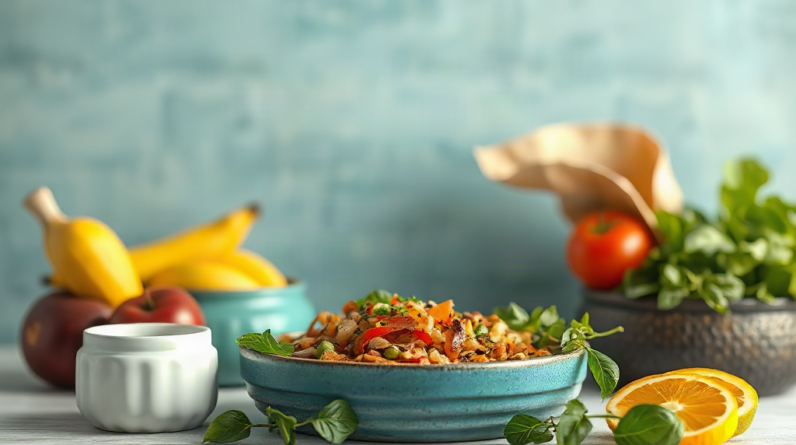
Foods that enhance physical health are essential for maintaining overall wellness and vitality. Incorporating a wide range of nutrient-dense foods into your diet can help support immune function, improve energy levels, and reduce the risk of chronic diseases. Key categories include fruits, vegetables, whole grains, lean proteins, and healthy fats, each contributing unique benefits to your health.
Fruits and Vegetables: The Powerhouses of Health
Fruits and vegetables are foundational to a healthy diet, packed with vitamins, minerals, and fiber. They are low in calories yet high in nutrients, making them ideal for weight management and disease prevention. For example, leafy greens like spinach and kale are rich in vitamins A, C, and K, which are essential for maintaining healthy skin, bones, and immune function.
Incorporating a variety of colorful fruits and vegetables ensures a broad spectrum of nutrients. Common mistakes include sticking to the same types of produce or relying on juices instead of whole fruits and vegetables, which can lead to missing out on important fiber and nutrients. Aim for at least five servings of fruits and vegetables daily for optimal health.
Whole Grains: Fueling Your Body
Whole grains, such as brown rice, quinoa, and oats, are excellent sources of complex carbohydrates, providing sustained energy and essential nutrients. They contain fiber, which aids in digestion and helps regulate blood sugar levels. Unlike refined grains, whole grains retain their bran and germ, making them more nutritious.
Choosing whole grains over refined options can significantly impact health. Many people overlook the importance of reading labels, often choosing products labeled as ‘whole grain’ that may still contain refined ingredients. Prioritize whole grains in meals and snacks to enhance energy and overall health.
Lean Proteins: Building Blocks for Strength
Lean proteins, including chicken, turkey, fish, beans, and legumes, are vital for muscle repair and growth. They provide the amino acids necessary for building and maintaining muscle mass, especially important for active individuals and those recovering from injury.
Incorporating a variety of protein sources in your diet is crucial. Many people make the mistake of relying heavily on red meat, which can increase saturated fat intake. Opting for leaner sources not only supports muscle health but also promotes cardiovascular health.
Healthy Fats: Essential for Vitality
Healthy fats, such as those found in avocados, nuts, seeds, and olive oil, play a crucial role in hormone production, brain function, and nutrient absorption. They contribute to satiety, helping to prevent overeating.
Despite their benefits, people often fear fats and avoid them altogether, leading to nutrient deficiencies. It’s important to include healthy fats in moderation as part of a balanced diet to support overall health.
Good Health Solution is Easier Than Most People Think!
Take a Look for Yourself!
Further Reading
Authoritative Sources
- NIH Office of Dietary Supplements
ods.od.nih.govEvidence-based information on vitamins, minerals, supplements, and nutrition-related questions
- USDA FoodData Central
fdc.nal.usda.govUSDA nutrient data for foods and ingredients used in nutrition decisions
- Harvard T.H. Chan School of Public Health Nutrition Source
hsph.harvard.eduPublic health nutrition guidance and educational resources
Frequently Asked Questions
What are the best foods to boost physical health?
The best foods include fruits, vegetables, whole grains, lean proteins, and healthy fats, each providing essential nutrients for overall health.
How do fruits and vegetables improve health?
They provide vitamins, minerals, and antioxidants that help reduce inflammation and support the immune system.
Why are whole grains important?
Whole grains provide fiber and complex carbohydrates, which help with digestion and maintain stable energy levels.
What role do lean proteins play in a diet?
Lean proteins are essential for muscle repair and growth, particularly after physical activity.
How can I include healthy fats in my diet?
Incorporate sources like avocados, nuts, and olive oil in moderation to support heart and brain health.
Conclusion
To boost physical health effectively, focus on incorporating a variety of nutrient-dense foods into your diet. Prioritize fruits and vegetables, whole grains, lean proteins, and healthy fats, as each category offers unique benefits vital for overall well-being. Avoid common pitfalls such as relying too heavily on processed foods or neglecting the importance of variety. By making informed choices, you can enhance your health and vitality.

Good Health Solution is Easier Than Most People Think!
Take a Look for Yourself!