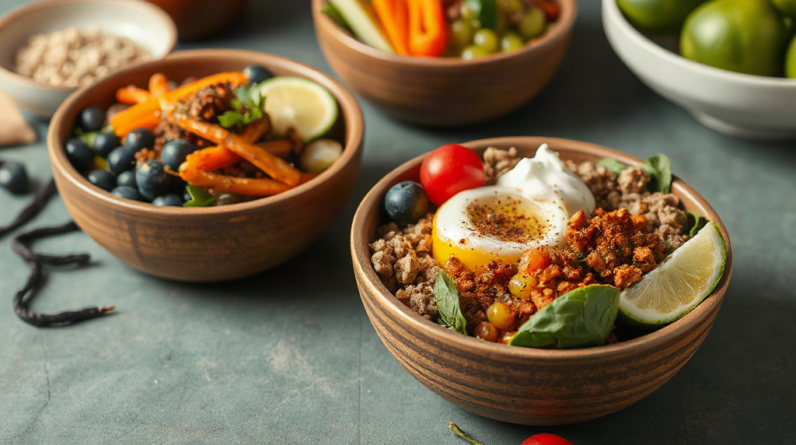
Consuming complex carbohydrates from sources like quinoa and brown rice provides sustained energy, while proteins from lean meats, beans, and legumes support muscle repair and growth. Healthy fats found in avocados, nuts, and olive oil are vital for brain function and hormone production. Failing to prioritize these food groups can lead to energy dips, poor concentration, and decreased physical performance.
Moreover, balancing macronutrients is crucial. For instance, an ideal meal might include grilled chicken (protein), sweet potatoes (carbohydrates), and a side of steamed broccoli (vegetables) to provide a well-rounded nutrient profile. It’s important to avoid overly processed options that can lead to energy spikes followed by crashes, undermining overall performance.
Complex Carbohydrates: The Body’s Primary Energy Source
Complex carbohydrates serve as the primary energy source for the body. Foods like whole grains, legumes, and starchy vegetables release glucose slowly, providing a steady supply of energy. This slow release helps maintain blood sugar levels and reduces the risk of energy crashes.
Incorporating a variety of complex carbohydrates into meals can enhance performance, especially for athletes and active individuals. For example, a pre-workout meal consisting of oatmeal topped with berries can fuel a workout session effectively. Conversely, consuming simple sugars from processed snacks may lead to quick energy spikes followed by rapid declines, affecting overall stamina.
Proteins: Building Blocks for Muscle and Repair
Proteins are essential for muscle repair, growth, and overall body function. Foods rich in protein include lean meats, fish, dairy products, beans, and nuts. Consuming adequate protein supports recovery post-exercise and helps maintain muscle mass.
For optimal health, it’s crucial to distribute protein intake throughout the day. Aiming for a protein-rich breakfast, lunch, and dinner can help sustain energy levels and support metabolic processes. Neglecting protein can lead to muscle wasting and decreased strength, particularly in those who are physically active.
Healthy Fats: Essential for Energy and Brain Function
Healthy fats are vital for energy production and cognitive function. Sources include avocados, olive oil, nuts, and fatty fish. These fats provide a concentrated source of energy and are essential for absorbing fat-soluble vitamins.
Including healthy fats in meals can also promote satiety, helping to control hunger levels. For instance, adding a handful of walnuts to a salad not only enhances flavor but also provides essential omega-3 fatty acids. On the other hand, consuming trans fats and excessive saturated fats can lead to health issues such as heart disease and should be minimized.
Vitamins and Minerals: Supporting Bodily Functions
Vitamins and minerals play critical roles in various bodily functions, from immune support to energy metabolism. Fruits and vegetables are rich in these micronutrients and should be a staple in a balanced diet.
For example, vitamin C from citrus fruits supports immune health, while B vitamins are crucial for energy production. A diet lacking in these nutrients can lead to deficiencies, impacting overall health and energy levels. Prioritizing a colorful plate can help ensure a broad spectrum of nutrients is consumed.
Good Health Solution is Easier Than Most People Think!
Take a Look for Yourself!
Further Reading
Authoritative Sources
- NIH Office of Dietary Supplements
ods.od.nih.govEvidence-based information on vitamins, minerals, supplements, and nutrition-related questions
- USDA FoodData Central
fdc.nal.usda.govUSDA nutrient data for foods and ingredients used in nutrition decisions
- Harvard T.H. Chan School of Public Health Nutrition Source
hsph.harvard.eduPublic health nutrition guidance and educational resources
Frequently Asked Questions
What types of food provide the most energy?
Foods rich in complex carbohydrates, proteins, and healthy fats provide the most sustained energy, such as whole grains, lean meats, and avocados.
How can I improve my diet for better energy levels?
Incorporate a variety of nutrient-dense foods, balance macronutrients, and minimize processed foods to enhance energy levels.
What should I avoid to maintain energy?
Avoid excessive sugar and highly processed foods, as they can lead to energy spikes and crashes.
How important are snacks for energy?
Healthy snacks can help maintain energy levels between meals by providing essential nutrients and preventing hunger.
What role do vitamins play in energy production?
Vitamins, particularly B vitamins, are crucial for energy metabolism and help convert food into usable energy.
Conclusion
In summary, food that fuels the body is vital for maintaining energy and supporting overall health. Prioritizing complex carbohydrates, lean proteins, healthy fats, and a variety of fruits and vegetables can enhance performance and well-being. To achieve optimal energy levels, focus on whole, nutrient-dense foods while avoiding processed options that may lead to fatigue. Making informed dietary choices today will contribute to better health outcomes tomorrow.

Good Health Solution is Easier Than Most People Think!
Take a Look for Yourself!