Understanding the connection between diet and health is crucial. Many people overlook the potential of food as a healing tool, often relying solely on medications. However, incorporating medicinal foods can provide synergistic benefits, potentially reducing the need for pharmaceuticals in some cases. Prioritizing nutrient-dense ingredients can lead to better health outcomes and empower individuals to take charge of their nutritional choices.
A common mistake is treating food purely as sustenance rather than a source of healing. Many individuals may not realize that certain foods have potent medicinal properties. For instance, garlic is known for its antibacterial and antiviral properties, while turmeric contains curcumin, which has powerful anti-inflammatory effects. Recognizing these qualities helps prioritize the inclusion of such foods in daily meals.
Understanding Food as Medicine
The concept of food as medicine revolves around the idea that what we eat can profoundly impact our health. Foods rich in vitamins, minerals, and antioxidants can prevent chronic diseases and promote healing. This philosophy is grounded in the belief that a balanced diet can be as effective as medications in managing health conditions.
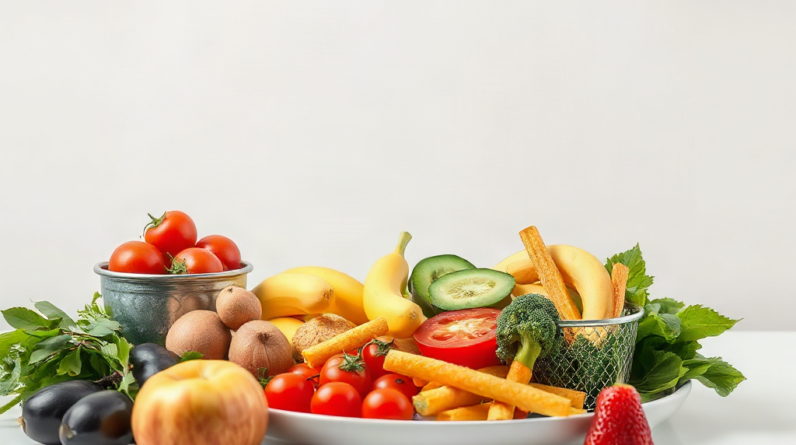
Prioritizing whole, unprocessed foods is essential in this approach. Many processed foods lack the nutrients necessary for optimal health and can contribute to various health issues. Choosing fresh, seasonal produce, whole grains, and lean proteins can significantly improve dietary quality and overall health outcomes.
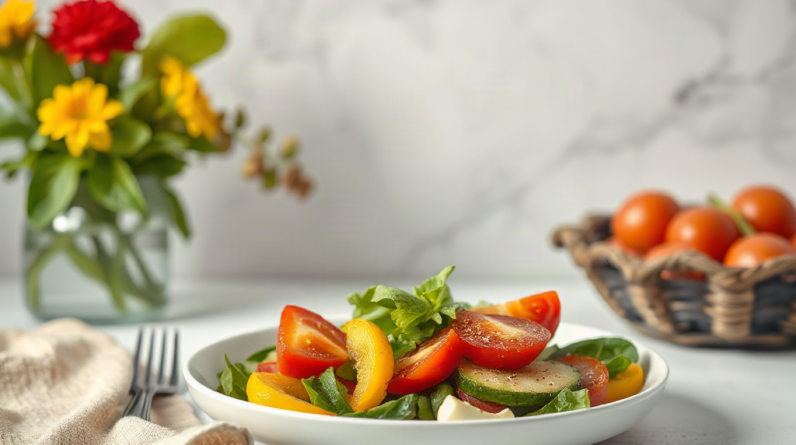
A common misconception is that dietary changes require drastic lifestyle overhauls. In reality, small, incremental changes can lead to substantial health improvements over time. For instance, adding just one serving of vegetables to each meal can enhance nutrient intake and support better health without overwhelming the individual.
Key Ingredients for Health
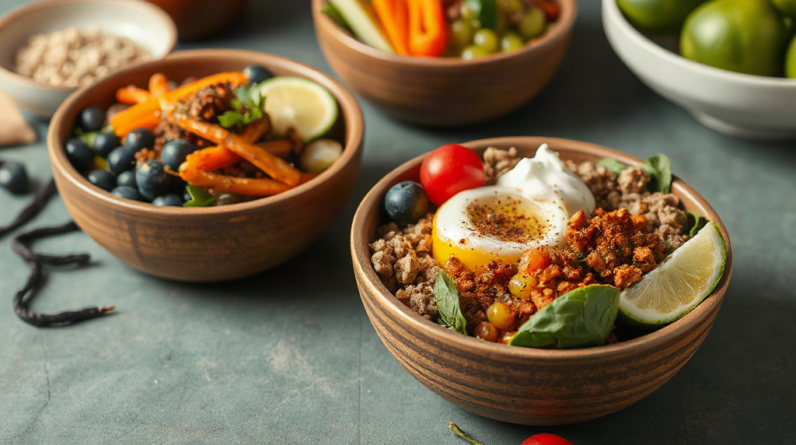
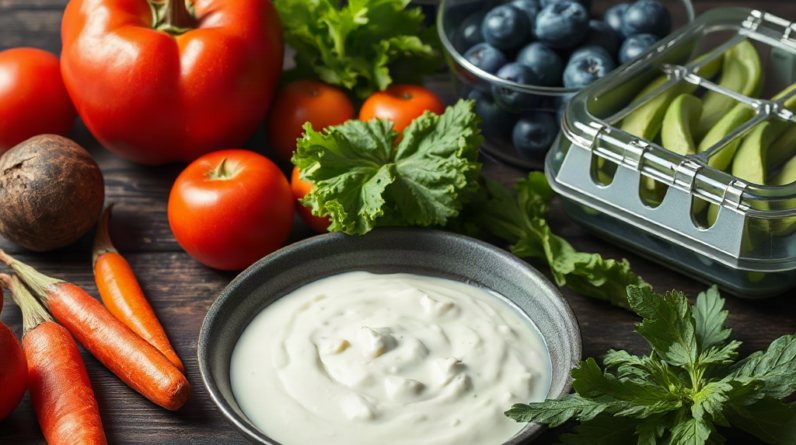
Several specific ingredients are recognized for their medicinal properties. Garlic is often lauded for its immune-boosting abilities, while ginger is known for aiding digestion and reducing nausea. Leafy greens like spinach and kale are packed with essential vitamins and minerals that support bodily functions.
Incorporating these foods into your diet can be simple. For example, adding garlic to stir-fries or salads can enhance flavor while providing health benefits. Similarly, using ginger in teas or smoothies can improve digestion and overall wellness.
It’s also essential to consider the balance of these ingredients. While incorporating various medicinal foods is beneficial, it’s crucial to maintain a diverse diet to ensure a wide range of nutrients is consumed. This diversity can also help prevent dietary boredom and promote sustainable eating habits.
Practical Tips for Incorporation
To effectively incorporate food as medicine tips into your daily routine, start by planning meals around these key ingredients. Create weekly menus that highlight a different medicinal food each day. This strategy not only diversifies your diet but also helps you become more familiar with various preparations and recipes.
Meal prepping can also facilitate the inclusion of these foods. By preparing ingredients in advance, you can easily add them to meals throughout the week. For example, chopping vegetables and storing them in the fridge makes it easier to toss them into dishes at a moment’s notice.
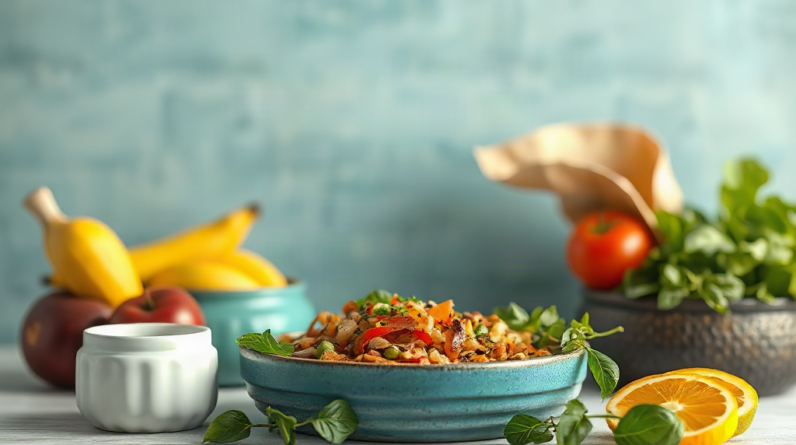
Additionally, consider experimenting with herbs and spices. Many, such as cinnamon and oregano, have health benefits and can enhance the flavor of meals. Using these in cooking not only elevates dishes but also contributes to a healthier diet.
Good Health Solution is Easier Than Most People Think!
Take a Look for Yourself!
Common Mistakes to Avoid
One of the most frequent mistakes people make when adopting food as medicine tips is relying on a single ingredient to address health issues. While certain foods can have powerful effects, they work best as part of a balanced diet. Focusing solely on one food can lead to nutritional deficiencies and may not yield the desired health outcomes.
Another pitfall is neglecting the importance of preparation methods. For example, boiling vegetables can cause nutrient loss, whereas steaming or sautéing can help retain their medicinal properties. Understanding how to prepare foods properly is crucial for maximizing their health benefits.
Lastly, many individuals may fail to consider their unique health needs. What works for one person may not be suitable for another. It’s essential to listen to your body and consult with a healthcare professional when making significant dietary changes.
Further Reading
Authoritative Sources
- Food as Medicine: The Role of Food in Health and Disease
ncbi.nlm.nih.govThis article provides an in-depth look at the therapeutic effects of food and how it can be integrated into healthcare practices
- Healthy Diet: WHO Guidelines
who.intWorld Health Organization guidelines on maintaining a healthy diet and its impact on overall health
- Healthy Eating: CDC Recommendations
cdc.govCDC's recommendations for healthy eating patterns that promote long-term health
Frequently Asked Questions
What are the main principles of food as medicine?
The main principles include using whole, unprocessed foods to prevent and treat health issues, emphasizing the importance of a balanced diet rich in medicinal ingredients.
How can I incorporate medicinal foods into my diet?
Start by planning meals around key medicinal ingredients, experimenting with herbs and spices, and meal prepping to make it easier to include these foods regularly.
Are there any risks associated with the food as medicine approach?
Yes, relying on a single ingredient for health issues can lead to nutritional imbalances. It’s important to maintain a diverse diet and consult healthcare professionals when necessary.
What common mistakes should I avoid?
Common mistakes include neglecting preparation methods that retain nutrients and failing to consider personal health needs when selecting foods.
Can food really replace medication?
While food can support health and prevent certain conditions, it should not replace prescribed medications without consulting a healthcare professional.
Conclusion
Incorporating food as medicine tips into your lifestyle can significantly enhance your health and well-being. By focusing on nutrient-dense, medicinal foods, you can empower yourself to make informed dietary choices that promote healing and prevention. Prioritize a balanced diet, stay aware of common mistakes, and consider your unique health needs as you explore this approach. Start by integrating a few key ingredients into your meals, and gradually expand your knowledge and practice for optimal health outcomes.
Good Health Solution is Easier Than Most People Think!
Take a Look for Yourself!