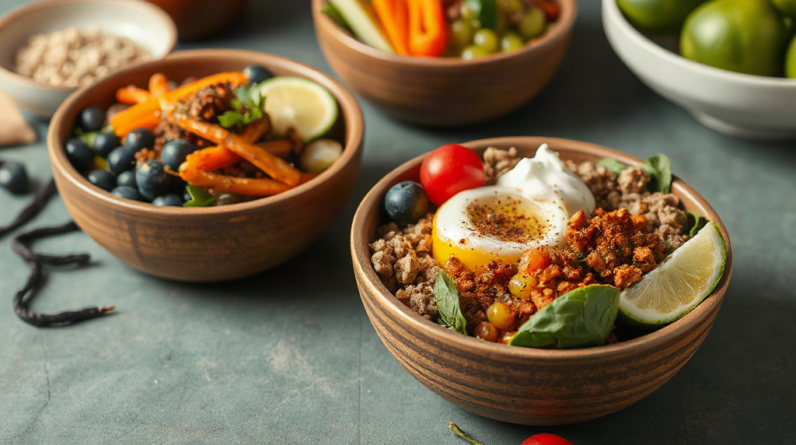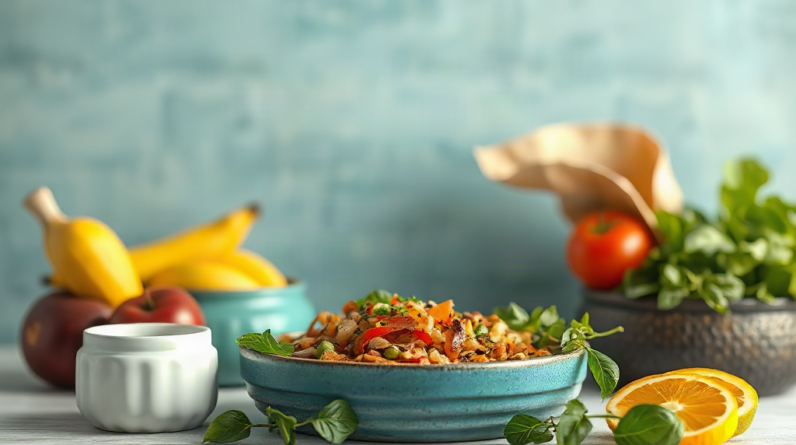
Many people underestimate the power of nutrition and may rely too heavily on processed foods, which can lead to nutrient deficiencies and chronic health issues. Prioritizing whole, unprocessed foods can significantly improve your overall well-being. Consider meal prepping to ensure you have healthy options readily available, which can help avoid the temptation of unhealthy convenience foods.
Many people underestimate the power of nutrition and may rely too heavily on processed foods, which can lead to nutrient deficiencies and chronic health issues. Prioritizing whole, unprocessed foods can significantly improve your overall well-being.
The Healing Power of Fruits and Vegetables
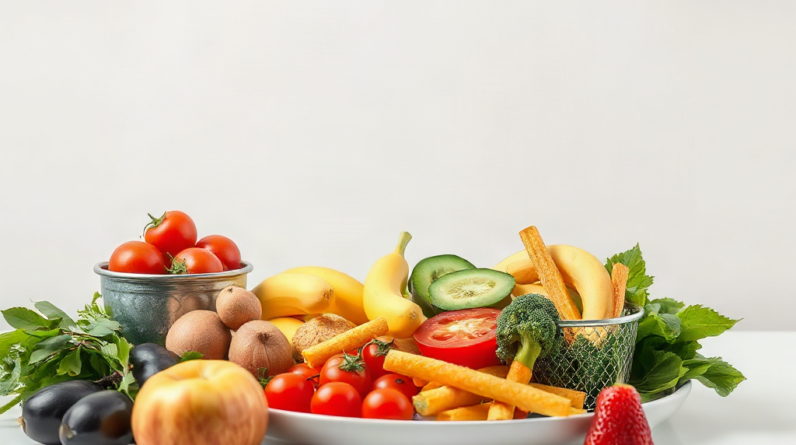
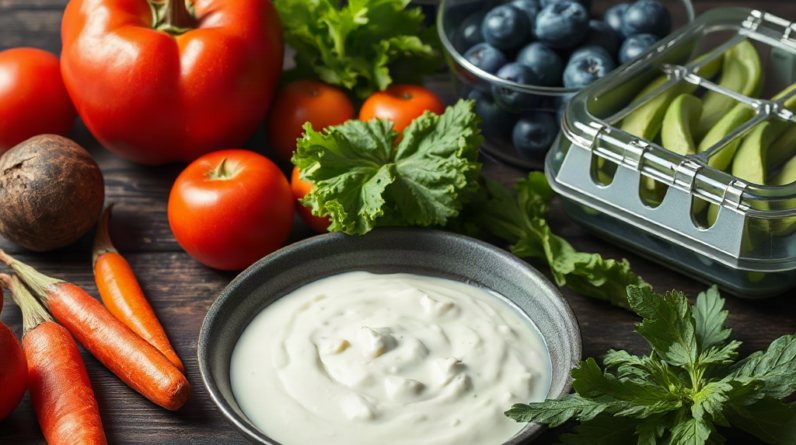
Fruits and vegetables are packed with vitamins, minerals, and antioxidants that play a crucial role in health. They can help reduce the risk of chronic diseases, improve digestion, and enhance overall well-being. Aim to include a variety of colors in your diet to ensure a broad spectrum of nutrients. Dark leafy greens, like kale and spinach, are rich in vitamins A, C, and K, while fruits like oranges and strawberries provide vitamin C and other antioxidants.
Many individuals overlook the importance of consuming seasonal produce, which tends to be fresher and more nutritious. Incorporating a diverse range of fruits and vegetables can also help prevent dietary boredom and encourage healthier eating habits. Experiment with different cooking methods, such as roasting or steaming, to enhance flavors and make vegetables more appealing.
Essential Whole Grains for Health
Whole grains are an important source of fiber, which aids in digestion and helps maintain a healthy weight. Foods like brown rice, quinoa, and whole wheat bread are excellent options that provide sustained energy and essential nutrients. Fiber-rich foods can also help lower cholesterol levels and stabilize blood sugar.
When selecting grains, avoid refined options that have been stripped of their nutrients. Instead, focus on whole grains that retain their bran, germ, and endosperm. Incorporating a variety of whole grains into your meals can enhance flavor and texture while boosting your overall nutrient intake.
Lean Proteins: The Building Blocks of Nutrition
Lean proteins are essential for muscle repair, immune function, and overall health. Sources such as chicken, turkey, fish, legumes, and tofu can provide high-quality protein without excessive saturated fat. Including a variety of protein sources in your diet can help meet your nutritional needs while supporting muscle health.
Many people mistakenly believe that animal proteins are the only source of complete protein. However, plant-based sources can also provide the necessary amino acids when consumed in combination. For example, pairing rice with beans creates a complete protein profile. Consider incorporating more plant-based proteins into your meals for added health benefits.
Healthy Fats and Their Benefits
Healthy fats, such as those found in avocados, nuts, seeds, and olive oil, are vital for brain health and hormone production. They can also help reduce inflammation and support heart health. Consuming healthy fats in moderation is key, as they are calorie-dense.
Many individuals fear fats and avoid them entirely, which can lead to an imbalanced diet. Instead, focus on incorporating sources of healthy fats into your meals. For instance, using olive oil in salad dressings or snacking on nuts can provide essential fatty acids that support overall health.
For those looking to deepen their understanding of food as medicine, consider exploring resources from reputable health organizations or nutrition-focused literature. These sources can provide valuable insights and practical advice on incorporating food into your wellness routine.
Good Health Solution is Easier Than Most People Think!
Take a Look for Yourself!
Further Reading
Authoritative Sources
- NIH Office of Dietary Supplements
ods.od.nih.govEvidence-based information on vitamins, minerals, supplements, and nutrition-related questions
- USDA FoodData Central
fdc.nal.usda.govUSDA nutrient data for foods and ingredients used in nutrition decisions
- Harvard T.H. Chan School of Public Health Nutrition Source
hsph.harvard.eduPublic health nutrition guidance and educational resources
Frequently Asked Questions
What are food as medicine tips?
Food as medicine tips involve using specific foods to enhance health and prevent disease through a nutrient-rich diet.
How can fruits and vegetables improve health?
Fruits and vegetables provide essential vitamins, minerals, and antioxidants, reducing the risk of chronic diseases and improving overall well-being.
What role do whole grains play in nutrition?
Whole grains are a source of fiber and nutrients that aid in digestion, help maintain a healthy weight, and lower cholesterol levels.
Why are lean proteins important?
Lean proteins are crucial for muscle repair, immune function, and overall health, providing high-quality protein without excessive fat.
What are healthy fats and their benefits?
Healthy fats support brain health, hormone production, and can reduce inflammation while promoting heart health when consumed in moderation.
Conclusion
Incorporating food as medicine tips into your daily life can significantly improve your health and prevent chronic diseases. Focus on consuming a variety of whole foods, including fruits, vegetables, whole grains, lean proteins, and healthy fats. Prioritize nutrient-dense options and consider meal prepping to ensure you have healthy choices readily available. By making informed dietary decisions, you can harness the healing power of food and enhance your overall well-being.

Good Health Solution is Easier Than Most People Think!
Take a Look for Yourself!