Eating plays a crucial role in our overall well-being, particularly when it comes to mental health. Studies have shown that what we consume can significantly influence our mood, cognitive function, and emotional stability. This is why following effective eating tips for mental health can be a game-changer for anyone looking to boost their mood naturally. From incorporating nutrient-rich foods to avoiding certain harmful ingredients, the way we eat matters more than we often realize.
So, what are some practical eating tips for mental health? The answer lies in understanding the foods that nourish our brains and the lifestyle choices that foster a positive mental state. This article will delve into specific strategies to enhance your mental well-being through nutrition. You’ll discover not only what to eat but also how these choices can lead to a happier, healthier you.
Understanding the Connection Between Diet and Mental Health
The relationship between diet and mental health is complex yet fascinating. Research indicates that diets high in processed foods and sugars can lead to increased rates of depression and anxiety. Conversely, a balanced diet rich in whole foods can enhance mood and cognitive function.
To grasp this connection fully, consider the following aspects:
– Nutritional Psychiatry: This emerging field studies how food affects mental health. It emphasizes a diet high in fruits, vegetables, whole grains, and healthy fats.
– Gut-Brain Axis: The gut and brain communicate continuously. A healthy gut can produce neurotransmitters that positively affect mood.
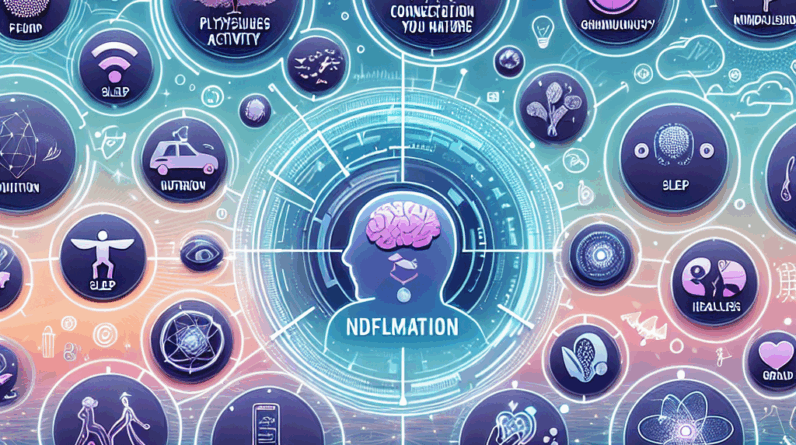
– Inflammation Connection: Chronic inflammation is linked to various mental health disorders. Foods that reduce inflammation, such as fatty fish and nuts, can be beneficial.
These insights underline the importance of incorporating specific eating tips for mental health into your daily routine.
Essential Eating Tips for Mental Health
Making dietary changes can feel overwhelming, but implementing a few key eating tips for mental health can pave the way for a healthier mindset. Here are some essential strategies to consider:
1. Focus on Whole Foods
Emphasizing whole, unprocessed foods is foundational. This includes:
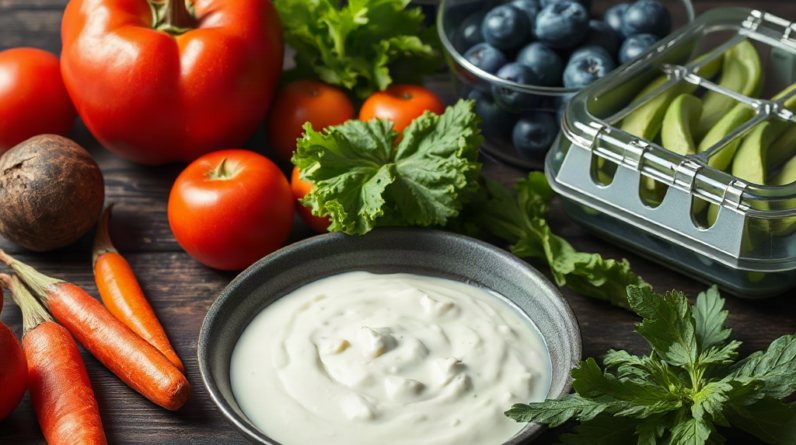
– Fruits and Vegetables: Aim for a variety of colors and types.
– Whole Grains: Choose brown rice, quinoa, and oats over refined grains.
– Healthy Fats: Incorporate avocados, olive oil, and fatty fish like salmon.
These foods are rich in vitamins, minerals, and antioxidants that support brain health.
2. Stay Hydrated
Hydration is often overlooked but critical for mental clarity and mood regulation. Aim to drink at least 8 glasses of water a day. You can also include herbal teas and fresh juices to boost fluid intake.
3. Regular Meal Patterns
Establishing regular eating patterns can stabilize blood sugar levels and improve mood. Consider:
– Eating Smaller, Frequent Meals: This can prevent energy crashes.
– Balanced Meals: Include a mix of protein, fats, and carbohydrates.
These practices can significantly impact your mental health, making them essential eating tips for mental health.
Foods to Include for Better Mood
Certain foods have been shown to enhance mood and cognitive function. Here are some key items to include in your diet:
1. Fatty Fish
Rich in omega-3 fatty acids, fatty fish like salmon and sardines can reduce symptoms of depression and anxiety. Aim for at least two servings a week.
2. Leafy Greens
Vegetables like spinach and kale are packed with nutrients such as magnesium, which can help alleviate anxiety.
3. Fermented Foods
Foods like yogurt, kimchi, and sauerkraut promote gut health, which is closely linked to mental well-being. Probiotics can help improve mood and reduce anxiety.
4. Berries
Fruits like blueberries and strawberries are rich in antioxidants that combat oxidative stress, which can negatively impact mental health.
Foods to Avoid for Optimal Mental Health
Just as important as knowing what to eat is understanding what to avoid. Here are some foods that can negatively impact mental health:
1. Sugary Foods
Excess sugar can lead to mood swings and energy crashes. Try to limit your intake of candies, pastries, and sugary drinks.
2. Processed Foods
Highly processed foods often contain unhealthy fats and additives that can negatively affect brain health. Opt for fresh, whole foods whenever possible.
3. Caffeine and Alcohol
While moderate consumption of these substances might be fine, overindulgence can lead to anxiety and disrupt sleep patterns. Reduce intake if you notice negative effects on your mood.
References and Resources
These resources provide valuable information about eating tips for mental health. Check them out for additional insights:
Frequently Asked Questions
What are some effective eating tips for mental health?
Effective eating tips for mental health include focusing on whole foods, staying hydrated, and maintaining regular meal patterns. Incorporating nutrient-rich foods like fatty fish, leafy greens, and fermented items can significantly enhance mood and cognitive function.
How does diet affect mental health?
Diet affects mental health by influencing brain function and mood regulation. Nutrient-rich foods can enhance neurotransmitter production while processed foods can lead to inflammation, negatively impacting mental health.
Can eating tips for mental health really improve my mood?
Yes, implementing eating tips for mental health can lead to improved mood and emotional stability. A balanced diet rich in whole foods and low in sugar can help prevent mood swings and enhance overall well-being.
What foods should I avoid for better mental health?
To support mental health, it’s advisable to limit sugary foods, processed items, and excessive caffeine or alcohol. These can contribute to mood swings and mental fatigue.
Are there specific foods that boost mental health?
Certain foods like fatty fish, berries, and leafy greens are known to enhance mood and cognitive function. Including these in your diet can provide essential nutrients that support mental health.
Conclusion
In summary, the connection between diet and mental health is increasingly recognized in both scientific research and everyday practice. By implementing effective eating tips for mental health, individuals can take proactive steps towards fostering a better mood and overall mental well-being.
To reap the benefits, focus on whole foods, stay hydrated, and establish balanced eating patterns. Making these dietary choices can lead to significant improvements in mental health, paving the way for a happier, healthier life. As you explore these eating tips for mental health, remember that small changes can lead to lasting impacts.