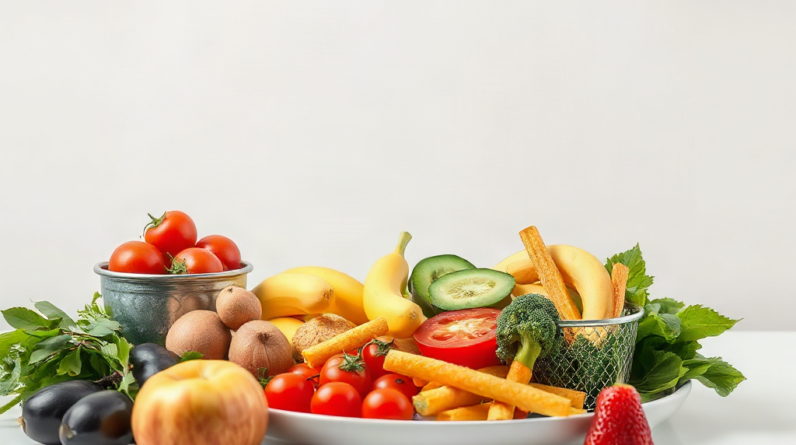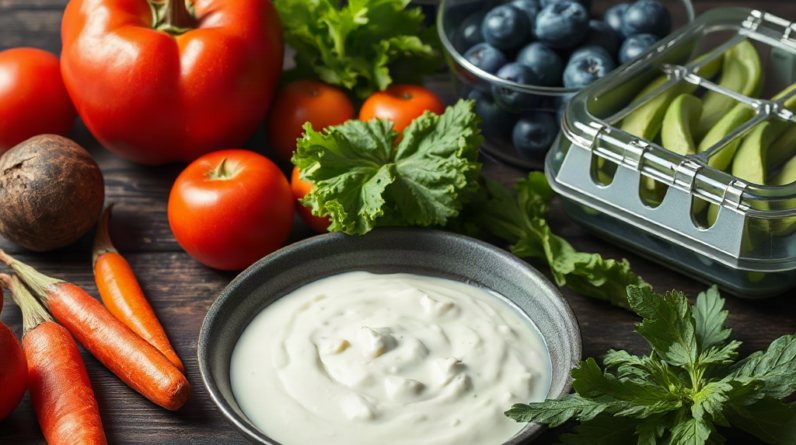

For instance, omega-3 fatty acids found in fish and flaxseeds are known to reduce symptoms of depression and anxiety. Similarly, antioxidants from fruits and vegetables help combat oxidative stress, which can affect brain function. Prioritizing these foods over processed options can lead to better mental health outcomes.
Prioritizing these foods over processed options can lead to better mental health outcomes. Omega-3 fatty acids are essential fats that significantly contribute to mental health.
The Role of Omega-3 Fatty Acids
Omega-3 fatty acids are essential fats that significantly contribute to mental health. They are crucial for brain function and development, and studies show that they can help alleviate symptoms of depression and anxiety. Foods such as salmon, walnuts, and chia seeds are excellent sources of omega-3s.
Incorporating these foods into your diet can be simple. For instance, adding fish to your meals a couple of times a week can provide a substantial boost to your omega-3 intake. Additionally, consider snacking on walnuts or adding flaxseed to smoothies. Avoiding a diet low in these essential fats can lead to mood disorders and cognitive decline.
Antioxidants and Mental Health
Antioxidants play a vital role in protecting the brain from oxidative stress, which can contribute to mental health issues. Foods high in antioxidants, such as berries, dark chocolate, and leafy greens, supports mood and cognitive function.
To maximize the benefits of antioxidants, it is essential to include a variety of colorful fruits and vegetables in your diet. A simple way to achieve this is by making smoothies or salads that incorporate a mix of these foods. Neglecting antioxidants can leave the brain vulnerable to stress and inflammation, negatively impacting mental health.
The Impact of Sugar and Processed Foods
High sugar and processed food consumption can lead to significant fluctuations in mood and energy levels. These foods can trigger inflammation and disrupt hormone balance, which are detrimental to mental health.
To mitigate these effects, it is advisable to limit the intake of sugary snacks and beverages while focusing on whole, unprocessed foods. Meal prepping can help ensure that healthy options are readily available. Many individuals overlook the impact of their diet on mood, leading to reliance on quick-fix processed foods that can exacerbate mental health issues.
Building a Balanced Meal Plan
A balanced meal plan is essential for maintaining mental health. It should include a variety of food groups to ensure adequate nutrient intake. Prioritize whole grains, lean proteins, healthy fats, and plenty of fruits and vegetables.
When constructing your meal plan, aim for meals that include different food groups. For example, a meal could consist of grilled chicken (protein), quinoa (whole grain), and steamed broccoli (vegetable) with olive oil (healthy fat). Many people fail to consider how their meal choices affect their mental health, leading to unbalanced diets that can exacerbate symptoms of anxiety and depression.
Good Health Solution is Easier Than Most People Think!
Take a Look for Yourself!
Further Reading
Authoritative Sources
- NIH Office of Dietary Supplements
ods.od.nih.govEvidence-based information on vitamins, minerals, supplements, and nutrition-related questions
- USDA FoodData Central
fdc.nal.usda.govUSDA nutrient data for foods and ingredients used in nutrition decisions
- Harvard T.H. Chan School of Public Health Nutrition Source
hsph.harvard.eduPublic health nutrition guidance and educational resources
Frequently Asked Questions
What foods are best for mental health?
Foods rich in omega-3 fatty acids, antioxidants, and vitamins, like fish, berries, and leafy greens, are best for enhancing mental health.
How does sugar affect mental health?
High sugar intake can lead to mood swings and fatigue, negatively impacting mental health by causing inflammation and hormonal imbalances.
Can diet really affect mood?
Yes, a balanced diet can significantly influence mood and cognitive function, while poor dietary choices can exacerbate mental health issues.
What is a balanced meal for mental health?
A balanced meal should include lean protein, whole grains, healthy fats, and a variety of fruits and vegetables to support overall mental well-being.
How can I incorporate more healthy foods into my diet?
Start by meal prepping, choosing whole foods over processed options, and gradually adding fruits, vegetables, and healthy fats to your meals.
Conclusion
Incorporating specific eating tips for mental health can significantly enhance emotional well-being. Focus on consuming a variety of nutrient-rich foods, particularly those high in omega-3 fatty acids and antioxidants, while minimizing processed sugars. Building a balanced meal plan that prioritizes whole foods can help stabilize mood and improve cognitive function. By making informed dietary choices, individuals can effectively support their mental health and overall quality of life.

Good Health Solution is Easier Than Most People Think!
Take a Look for Yourself!