
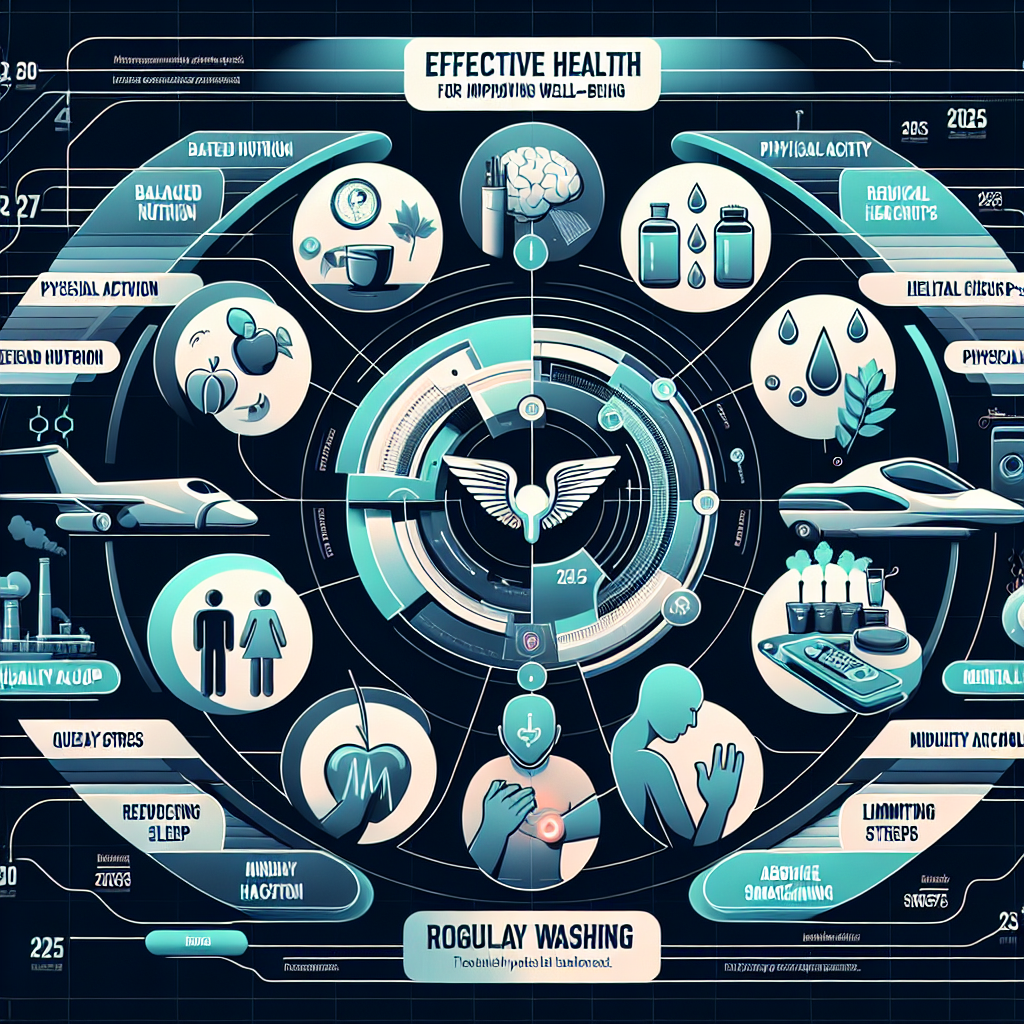
Hydration is often overlooked yet plays a critical role in maintaining energy levels and cognitive function. Regular physical activity, such as brisk walking or yoga, not only improves cardiovascular health but also boosts mood and reduces stress. Finally, sleep is vital for recovery and mental clarity, so strive for 7-9 hours each night.
Staying properly hydrated is fundamental for better wellness. Hydration is often overlooked yet plays a critical role in maintaining energy levels and cognitive function.
Hydration: The Foundation of Wellness
Staying properly hydrated is fundamental for better wellness. Water regulates body temperature, keeps joints lubricated, and helps transport nutrients. Dehydration can lead to fatigue, headaches, and impaired cognitive function. To maintain hydration, carry a water bottle throughout the day and incorporate hydrating foods like fruits and vegetables into your meals.
To ensure you are drinking enough, consider setting reminders or using apps that track water intake. The goal is to make hydration a natural part of your daily routine rather than a chore. Remember, drinking water before meals can also help with digestion and promote a healthy weight.
Physical Activity: Moving Towards Better Health
Regular physical activity is essential for maintaining a healthy weight and reducing the risk of chronic diseases. Aim for at least 150 minutes of moderate aerobic activity each week, supplemented by strength training exercises at least twice weekly. This balance can enhance muscle strength and endurance, support metabolic health, and improve mental well-being.
Finding enjoyable activities is key to sustaining an active lifestyle. Whether it’s dancing, cycling, or hiking, choose forms of exercise that you look forward to. Make a habit of incorporating movement into your day, such as taking the stairs instead of the elevator or going for a walk during breaks.
Sleep: The Unsung Hero of Well-Being
Sleep is often the most neglected aspect of wellness, yet it is crucial for recovery and cognitive function. Quality sleep helps regulate hormones, improves mood, and enhances memory. Establish a consistent sleep schedule by going to bed and waking up at the same time each day, even on weekends.
Creating a restful environment can also improve sleep quality. Limit screen time before bed, keep your bedroom dark and cool, and consider relaxation techniques such as reading or meditation to wind down. Prioritizing sleep can dramatically impact your overall wellness and daily performance.
Further Reading
Authoritative Sources
- Healthy Eating
cdc.govThis resource provides guidelines on maintaining a balanced diet and hydration for optimal health Good Health Solution is Easier Than Most People Think! Take a Look for Yourself!
- Physical Activity
who.intWorld Health Organization offers insights into the benefits of regular physical activity for well-being
- Sleep Foundation
sleepfoundation.orgA comprehensive resource on the importance of sleep and tips for improving sleep quality
Frequently Asked Questions
What are some easy tips for better wellness?
Incorporate daily hydration, regular exercise, and adequate sleep into your routine for improved wellness.
How much water should I drink daily?
Aim for at least eight glasses of water each day, adjusting based on activity level and climate.
What types of exercise are best for overall wellness?
Moderate aerobic activities like walking, cycling, and strength training at least twice a week are effective for overall health.
How can I improve my sleep quality?
Establish a consistent sleep schedule, create a restful environment, and limit screen time before bed.
Why is hydration important for wellness?
Hydration helps regulate temperature, lubricate joints, and transport nutrients, preventing fatigue and cognitive issues.
Conclusion
Incorporating easy tips for better wellness can significantly enhance your quality of life. Focus on hydration, regular physical activity, and sufficient sleep as foundational elements. By making these habits a priority, you can improve your physical health, mental clarity, and emotional resilience. Remember to be consistent and adapt these practices to fit your lifestyle for lasting benefits.

Good Health Solution is Easier Than Most People Think!
Take a Look for Yourself!