To achieve this, focus on incorporating a variety of whole foods, including whole grains, lean proteins, fruits, and vegetables. These elements will not only ensure adequate nutrient intake but also support weight management and overall well-being.
Incorporating these foods into your meal plan ensures that you get the necessary vitamins and minerals without excessive calories. To achieve this, focus on incorporating a variety of whole foods, including whole grains, lean proteins, fruits, and vegetables.
Identifying Nutrient-Dense Foods
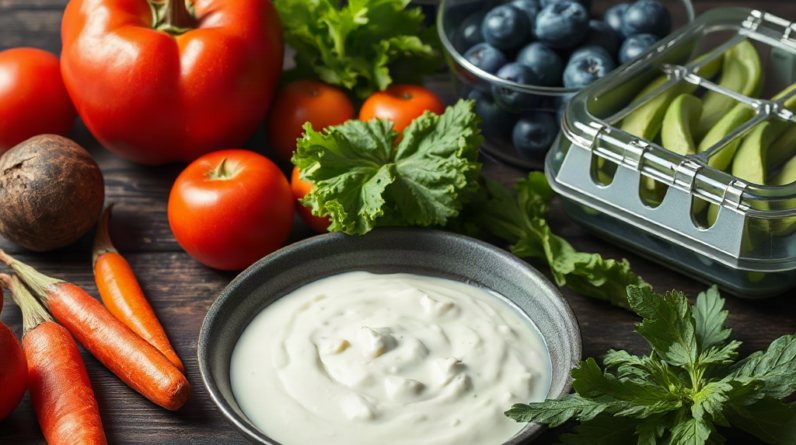
Nutrient-dense foods are those that provide a high amount of nutrients relative to their calorie content. Examples include leafy greens, berries, nuts, seeds, and lean meats. Incorporating these foods into your meal plan ensures that you get the necessary vitamins and minerals without excessive calories.
When selecting foods, consider their seasonality and availability to enhance freshness and flavor. Local produce often contains more nutrients and supports local agriculture. Additionally, experimenting with different cooking methods can make healthy foods more appealing, such as roasting vegetables to bring out their natural sweetness.
Balancing Macronutrients
Balancing macronutrients involves ensuring an appropriate ratio of carbohydrates, proteins, and fats in your meals. A common guideline is to aim for 45-65% of your daily calories from carbohydrates, 10-35% from protein, and 20-35% from fats. Adjust these ratios based on your personal health goals, activity level, and dietary needs.
For instance, athletes may require more protein to support muscle recovery, while those looking to lose weight might benefit from higher protein and lower carbohydrate intake. Understanding macronutrient sources helps in making informed choices, such as choosing whole grains over refined grains or incorporating healthy fats from avocados and olive oil.
Meal Prep Strategies
Effective meal prep can simplify the process of maintaining a healthy diet. Start by planning meals for the week, creating a shopping list based on recipes, and dedicating time to cook and portion meals. Consider batch cooking staples like grains, proteins, and roasted vegetables to have versatile components ready for quick assembly during the week.
Investing in quality food storage containers can also help keep meals fresh and organized. Labeling containers with the date prepared can prevent spoilage and ensure that you consume meals while they are still safe to eat.
Avoiding Common Mistakes
A common pitfall in meal planning is neglecting portion control. Even healthy foods can lead to weight gain if consumed in excessive amounts. It’s essential to understand serving sizes and to measure portions when first starting out.
Another mistake is failing to adapt the meal plan based on lifestyle changes, such as increased activity or changes in schedule. Regularly reviewing and adjusting your meal plan can help accommodate these changes and maintain dietary goals.
Good Health Solution is Easier Than Most People Think!
Take a Look for Yourself!
Further Reading
Authoritative Sources
- Whole Grains Council Grain Resources
wholegrainscouncil.orgPractical grain education covering whole grains, oats, milling context, and food-use guidance
- USDA FoodData Central Grain Nutrition Data
fdc.nal.usda.govUSDA food composition data useful for oats, flour, meal, and grain-based nutrition references
- USDA Agricultural Research Service
ars.usda.govAgricultural research resources related to grains, crops, processing, and food quality
Frequently Asked Questions
What are the key components of a healthy meal plan?
A healthy meal plan includes a variety of nutrient-dense foods, balanced macronutrients, and adequate hydration to support overall health.
How can I ensure I am eating enough vegetables?
Incorporate vegetables into every meal, experiment with different cooking methods, and include them in snacks to increase your intake.
What is the best way to track my meal plan?
Using a food diary or apps can help you monitor your meals, portion sizes, and nutritional intake effectively.
How often should I adjust my meal plan?
Regularly review and adjust your meal plan every few weeks or when significant lifestyle changes occur, such as increased exercise or weight changes.
Can meal planning help with weight loss?
Yes, meal planning can help with weight loss by promoting portion control, reducing impulsive eating, and ensuring access to healthy meals.
Conclusion
In summary, creating a healthy meal plan is a practical approach to enhancing your nutrition and overall well-being. Focus on including nutrient-dense foods, balancing your macronutrients, and employing effective meal prep strategies. By avoiding common pitfalls and regularly adjusting your plan, you can maintain a sustainable and health-promoting diet. Begin today by setting aside time to create your personalized meal plan that aligns with your health goals.

Good Health Solution is Easier Than Most People Think!
Take a Look for Yourself!