
A common mistake many people make is relying on processed foods that are high in added sugars and unhealthy fats. These foods may offer convenience but often lack vital nutrients. Instead, aim to prepare meals at home using fresh ingredients, which allows you to control what goes into your body. Planning your meals ahead of time can also help you avoid unhealthy last-minute choices and ensure you are meeting your nutritional needs.
Understanding the importance of hydration is another key element of daily nutrition. Water is essential for digestion, nutrient absorption, and even energy levels. Many individuals underestimate their hydration needs; thus, keeping a water bottle handy and setting reminders to drink water can be beneficial. Additionally, consider the timing of your meals and snacks. Eating regularly throughout the day can help maintain stable blood sugar levels and prevent overeating.
Incorporating Variety in Your Diet
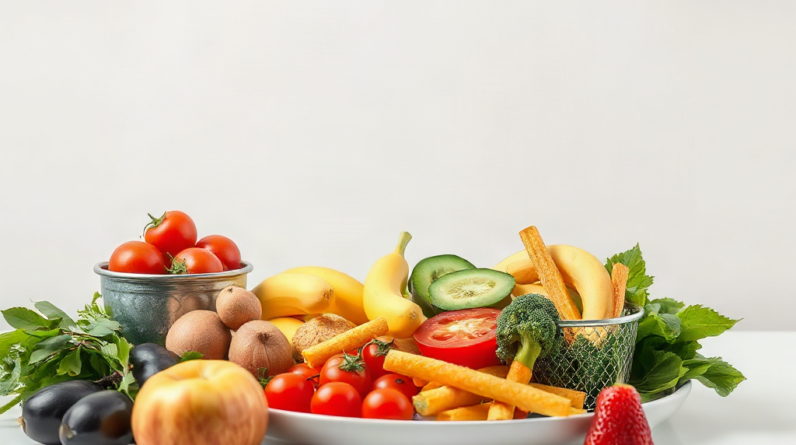
A diet rich in variety ensures that you receive a wide range of nutrients necessary for your body. Including different fruits and vegetables in your meals provides essential vitamins, minerals, and antioxidants. Try to fill half your plate with colorful produce at each meal. For instance, berries, leafy greens, and orange vegetables like carrots and sweet potatoes all offer unique health benefits.
Moreover, incorporating different protein sources, such as legumes, fish, poultry, and nuts, can enhance your meal’s nutritional profile. Each food group contributes different nutrients, and varying your diet can help prevent nutrient deficiencies. Many people fall into the trap of eating the same foods repeatedly, which can lead to monotony and nutritional gaps.
When aiming for variety, consider seasonal produce. Not only does this support local farmers, but it also provides fresher options that are often more flavorful and nutritious. Planning meals around what’s in season can also inspire creativity in the kitchen, making healthy eating more enjoyable.
Balancing Macronutrients for Optimal Health
Understanding macronutrients—carbohydrates, proteins, and fats—is essential for daily nutrition. Each plays a crucial role in your body’s functioning. A balanced diet typically includes approximately 45-65% carbohydrates, 10-35% protein, and 20-35% fats. Adjust these ratios based on your personal health goals and activity level.
Carbohydrates should primarily come from whole grains, fruits, and vegetables, providing energy and fiber. Proteins are vital for muscle repair and growth, so include lean meats, fish, legumes, and dairy in your meals. Healthy fats, such as those from avocados, nuts, and olive oil, are necessary for hormone production and nutrient absorption.
Many individuals mistakenly fear fats, opting for low-fat options that often contain added sugars or unhealthy additives. Instead, focus on incorporating healthy fats into your diet, which can help you feel satiated and support overall health. Be mindful of portion sizes, as fats are calorie-dense, and aim to balance your plate with all three macronutrients at every meal.
The Role of Hydration
Hydration is a fundamental aspect of daily nutrition that is often overlooked. Water supports every bodily function, including digestion, circulation, and temperature regulation. Aim for at least eight 8-ounce glasses of water per day, adjusting for activity level and climate. Signs of dehydration can include fatigue, headaches, and dry skin.
Incorporating hydrating foods into your diet can also contribute to your daily fluid intake. Foods such as cucumbers, oranges, and watermelon have high water content and can help keep you hydrated. Additionally, consider your beverage choices—opt for water, herbal teas, or infused waters instead of sugary drinks.
Be cautious of excessive caffeine or alcohol consumption, as both can lead to dehydration. Setting reminders to drink water throughout the day can be beneficial, especially if you tend to forget. Staying hydrated not only supports physical health but also enhances cognitive function and mood.
Good Health Solution is Easier Than Most People Think!
Take a Look for Yourself!
Meal Planning and Preparation
Meal planning is a powerful strategy for maintaining healthy eating habits. By preparing meals in advance, you can ensure you have nutritious options readily available, reducing the temptation to opt for processed or fast food. Start by dedicating a few hours each week to plan your meals and snacks.
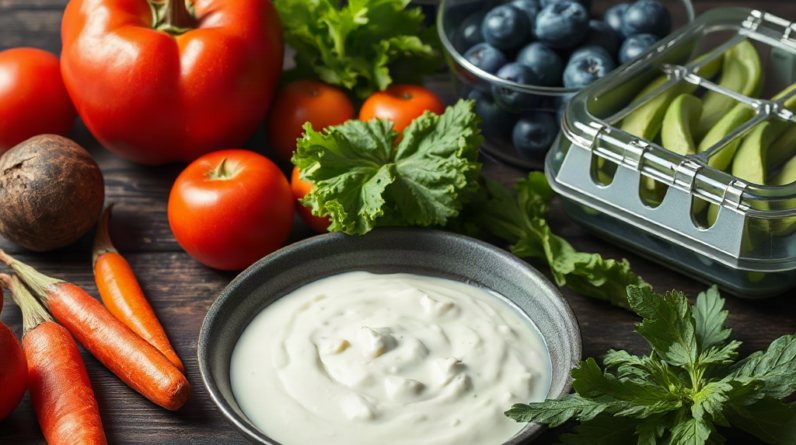
When meal prepping, consider batch cooking staple items like grains, proteins, and roasted vegetables. This allows for quick assembly of meals throughout the week. Additionally, investing in quality storage containers can make it easier to portion out meals and snacks, ensuring you stay on track with your nutrition goals.
Another common pitfall is neglecting to include snacks in your meal plan. Healthy snacks can help bridge the gap between meals and prevent overeating later. Aim for snacks that combine protein, healthy fats, and fiber, such as apple slices with nut butter or Greek yogurt with berries.
Further Reading
Authoritative Sources
- ChooseMyPlate.gov
choosemyplate.govThis resource offers practical nutrition tips and visual guides for balanced eating
- Eat Right
eatright.orgA comprehensive site by the Academy of Nutrition and Dietetics, providing evidence-based nutrition information
- Nutritional Guidelines
ncbi.nlm.nih.govA detailed review of nutritional guidelines and their impact on health
Frequently Asked Questions
What are the best foods to include in my daily diet?
Incorporate a variety of fruits, vegetables, whole grains, lean proteins, and healthy fats for a balanced diet.
How much water should I drink daily?
Aim for at least eight 8-ounce glasses of water per day, adjusting based on activity level and climate.
How can I improve my meal planning?
Dedicate time each week to plan meals, batch cook staple foods, and invest in quality storage containers.
What macronutrient balance should I aim for?
Strive for approximately 45-65% carbohydrates, 10-35% protein, and 20-35% fats based on your health goals.
How can I ensure I stay hydrated?
Keep a water bottle handy, set reminders to drink water, and include hydrating foods in your diet.
Conclusion
Implementing the best daily nutrition tips involves a commitment to incorporating a variety of whole foods, balancing macronutrients, and staying hydrated. Focus on meal planning and preparation to maintain healthy eating habits. Remember to prioritize nutrient-dense options and avoid processed foods that may hinder your health goals. By making these conscious choices, you can enhance your overall well-being and support a healthier lifestyle.

Good Health Solution is Easier Than Most People Think!
Take a Look for Yourself!