Pay attention to portion sizes, and modify your diet according to your activity levels to meet your energy needs. Common mistakes people make include underestimating the impact of snacks and neglecting to listen to their bodies’ hunger cues.
Incorporating Whole Foods
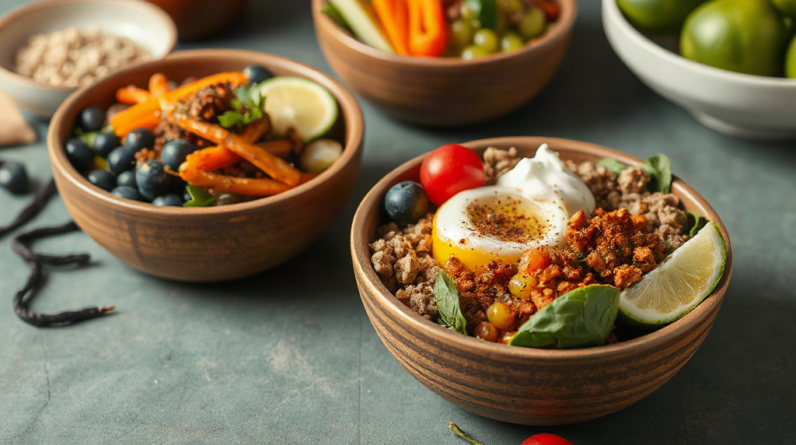
Whole foods are the cornerstone of a nutritious diet. These include fresh fruits, vegetables, whole grains, nuts, seeds, and lean proteins. Eating a variety of these foods ensures that you receive a wide range of nutrients necessary for bodily functions.
One practical approach is to aim for a colorful plate; this not only makes meals visually appealing but also promotes the intake of different nutrients. For example, dark leafy greens are rich in iron and calcium, while orange and yellow fruits provide vitamin C and antioxidants. Avoiding processed foods, which often contain added sugars and unhealthy fats, is essential for maintaining good health.
Hydration and Its Importance
Staying hydrated is crucial for maintaining optimal health. Water is vital for digestion, nutrient transport, and temperature regulation. The general recommendation is to drink at least eight 8-ounce glasses of water a day, but individual needs may vary based on activity levels and climate.
To enhance hydration, consider incorporating water-rich foods such as cucumbers, oranges, and watermelon into your diet. Additionally, pay attention to signs of dehydration, such as dry mouth, fatigue, and dark urine. Prioritizing hydration can significantly improve your overall well-being and energy levels.
Balancing Macronutrients
A balanced macronutrient intake is essential for energy and overall health. The three main macronutrients are carbohydrates, proteins, and fats. Each plays a unique role in the body, and finding the right balance is key.
Generally, a diet consisting of 45-65% carbohydrates, 10-35% protein, and 20-35% fats is recommended. However, individual needs may vary based on factors such as age, sex, activity level, and health goals. Prioritize complex carbohydrates such as whole grains, lean proteins from sources like chicken and legumes, and healthy fats from sources like avocados and olive oil.
Meal Planning Strategies
Effective meal planning can simplify healthy eating and prevent impulsive food choices. Start by creating a weekly menu that includes a variety of foods, ensuring that you meet your nutritional needs.
Batch cooking and preparing snacks in advance can save time and reduce the likelihood of resorting to unhealthy options. Consider using a grocery list to avoid impulse buys and prioritize whole foods. Additionally, keeping healthy snacks on hand can help manage hunger and maintain energy levels throughout the day.
Common Nutrition Mistakes
Many people make common mistakes that can hinder their nutritional goals. One frequent pitfall is neglecting portion sizes, leading to overeating even healthy foods. Being mindful of serving sizes can prevent unnecessary calorie intake.
Good Health Solution is Easier Than Most People Think!
Take a Look for Yourself!
Another mistake is skipping meals, which can lead to excessive hunger and unhealthy snacking later on. It’s crucial to listen to your body’s hunger cues and eat regularly to maintain energy levels and nutrient intake. Lastly, failing to adapt your diet as your activity levels change can lead to imbalances and health issues.
Further Reading
Authoritative Sources
- NIH Office of Dietary Supplements
ods.od.nih.govEvidence-based information on vitamins, minerals, supplements, and nutrition-related questions
- USDA FoodData Central
fdc.nal.usda.govUSDA nutrient data for foods and ingredients used in nutrition decisions
- Harvard T.H. Chan School of Public Health Nutrition Source
hsph.harvard.eduPublic health nutrition guidance and educational resources
Frequently Asked Questions
What are the best foods to include in my daily diet?
Incorporate a variety of fruits, vegetables, whole grains, lean proteins, and healthy fats for a balanced diet.
How much water should I drink daily?
Aim for at least eight 8-ounce glasses of water per day, adjusting based on activity level and climate.
What is the ideal macronutrient ratio?
A general guideline is 45-65% carbohydrates, 10-35% protein, and 20-35% fats, but individual needs may vary.
How can I effectively meal plan?
Create a weekly menu, batch cook, and prepare snacks in advance to simplify healthy eating.
What are common nutrition mistakes to avoid?
Common mistakes include neglecting portion sizes, skipping meals, and failing to adapt your diet to activity levels.
Conclusion
Incorporating the best daily nutrition tips into your routine can significantly improve your health and well-being. Focus on a diverse diet rich in whole foods, maintain proper hydration, and balance your macronutrients. Meal planning can help you avoid common pitfalls and ensure that you meet your nutritional needs. Remember to listen to your body and adjust your eating habits based on your activity levels for optimal results.

Good Health Solution is Easier Than Most People Think!
Take a Look for Yourself!