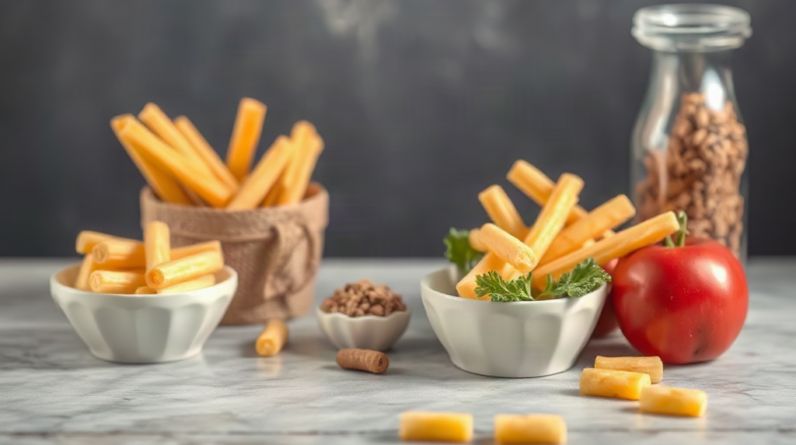

This approach not only ensures that you receive the maximum nutritional benefits but also helps in managing your weight and reducing the risk of chronic illnesses. Common pitfalls include relying too much on processed foods that are high in sugar and unhealthy fats, which can derail your health goals.
Fruits and vegetables should form the foundation of a healthy diet food list. Common pitfalls include relying too much on processed foods that are high in sugar and unhealthy fats, which can derail your health goals.
Fruits and Vegetables
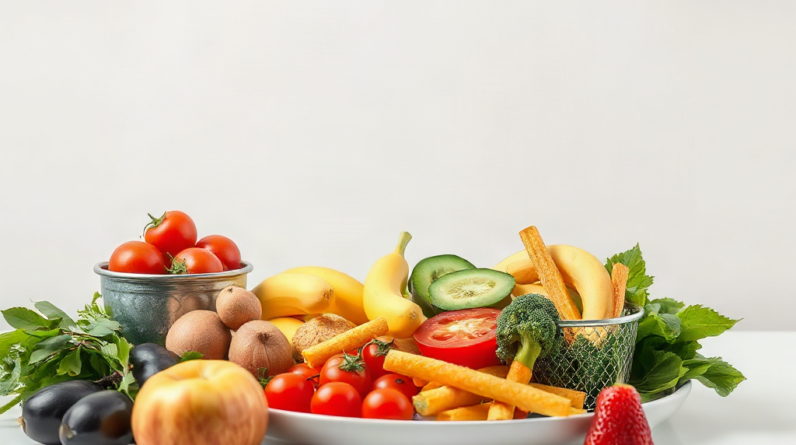
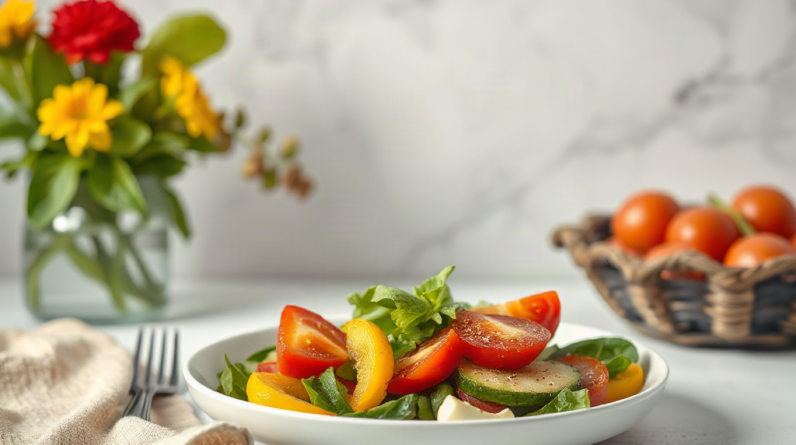
Fruits and vegetables should form the foundation of a healthy diet food list. They are rich in essential vitamins, minerals, fiber, and antioxidants. Aim to incorporate a variety of colors in your choices, as different colors often represent different nutrients. For example, leafy greens like spinach and kale are high in vitamin K, while berries are packed with antioxidants that support heart health.
To maximize the benefits, consider consuming seasonal and locally sourced produce, as they tend to be fresher and more nutritious. A common mistake is to overlook frozen or canned options, which can be just as nutritious as fresh varieties when prepared without added sugars or preservatives.
Whole Grains
Whole grains are another crucial component of a healthy diet food list. Unlike refined grains, whole grains retain their bran, germ, and endosperm, providing more fiber and nutrients. Examples include brown rice, quinoa, whole wheat bread, and oats. These foods help maintain stable blood sugar levels and support digestive health.
When selecting grains, read labels to avoid added sugars and unhealthy fats. A common error is choosing products labeled as “whole grain” without checking the ingredient list. Always opt for whole grain as the first ingredient to ensure you are making a nutritious choice.
Lean Proteins
Including lean proteins in your healthy diet food list is vital for muscle maintenance and overall health. Good sources of lean protein include chicken, turkey, fish, legumes, and tofu. These foods provide essential amino acids that the body needs for repair and growth.
Be mindful of portion sizes and cooking methods, as frying can add unnecessary calories and unhealthy fats. Grilling, baking, or steaming are healthier cooking methods that preserve the nutritional quality of your protein sources. A common mistake is to overconsume protein, believing it solely leads to muscle gain, while balance is key.
Healthy Fats
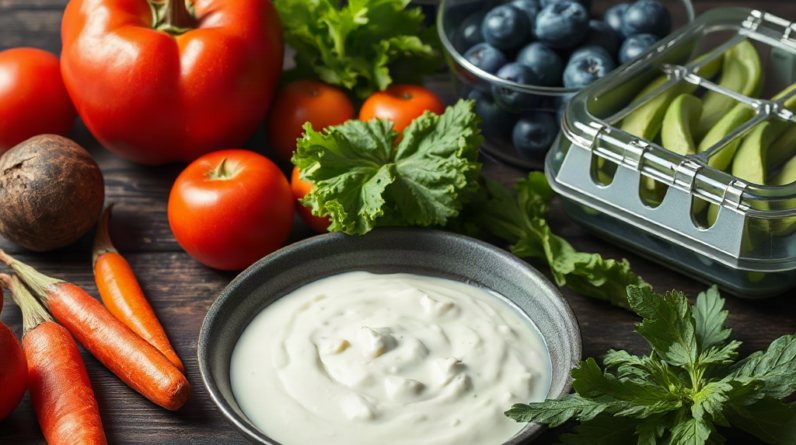
Healthy fats are essential for brain health and hormone production. Include sources like avocados, nuts, seeds, and olive oil in your healthy diet food list. These fats provide energy and support the absorption of fat-soluble vitamins.
While fats are necessary, moderation is important. Many people mistakenly avoid all fats, leading to deficiencies in essential fatty acids. Incorporating healthy fats should be done thoughtfully, ensuring they complement your overall caloric intake rather than exceed it.
Good Health Solution is Easier Than Most People Think!
Take a Look for Yourself!
Further Reading
Authoritative Sources
- NIH Office of Dietary Supplements
ods.od.nih.govEvidence-based information on vitamins, minerals, supplements, and nutrition-related questions
- USDA FoodData Central
fdc.nal.usda.govUSDA nutrient data for foods and ingredients used in nutrition decisions
- Harvard T.H. Chan School of Public Health Nutrition Source
hsph.harvard.eduPublic health nutrition guidance and educational resources
Frequently Asked Questions
What foods should I include in a healthy diet?
Include a variety of fruits, vegetables, whole grains, lean proteins, and healthy fats for balanced nutrition.
How can I ensure my diet is balanced?
Focus on incorporating diverse food groups and prioritizing whole, unprocessed foods while monitoring portion sizes.
Are there foods I should avoid for better health?
Avoid processed foods high in sugar, unhealthy fats, and sodium, as well as excessive refined carbohydrates.
How much protein do I need in my diet?
Protein needs vary, but a general guideline is to aim for 10-35% of your total daily calories from protein sources.
What is the role of healthy fats in my diet?
Healthy fats support brain function, hormone production, and the absorption of fat-soluble vitamins.
Conclusion
In conclusion, a well-rounded healthy diet food list is vital for achieving optimal health. Prioritize a variety of fruits, vegetables, whole grains, lean proteins, and healthy fats while being mindful of portion sizes and cooking methods. Focus on incorporating whole, minimally processed foods to maximize nutritional benefits. Remember to avoid common pitfalls like excessive reliance on processed foods, and strive for balance in your diet to support overall well-being. By making informed choices, you can significantly improve your health and quality of life.

Good Health Solution is Easier Than Most People Think!
Take a Look for Yourself!