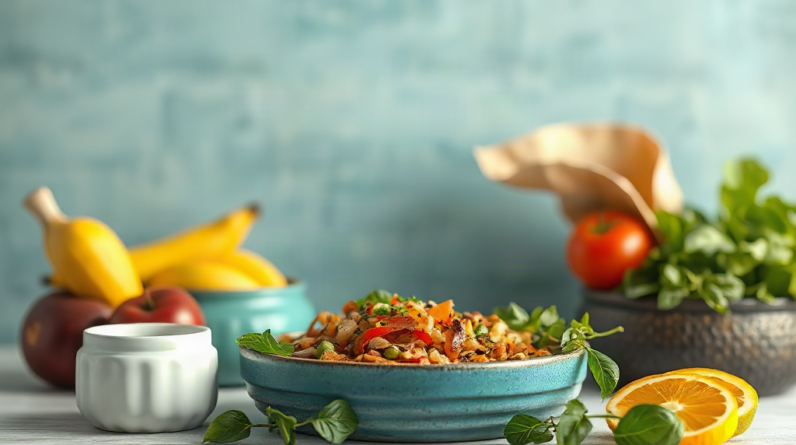

When embarking on a healthy eating journey, the importance of meal planning. By preparing meals in advance, individuals can ensure that they have access to balanced and nutritious options throughout the week. Additionally, being mindful of portion sizes is crucial in managing caloric intake and maintaining a healthy weight.
Moreover, individuals should prioritize sourcing fresh, unprocessed ingredients whenever possible. This not only supports better health but also contributes to environmental sustainability by reducing reliance on packaged foods. Common pitfalls in adopting a healthy lifestyle include neglecting to read food labels, which can lead to unintentional consumption of hidden sugars and unhealthy fats. By being informed and deliberate in food choices, individuals can better navigate the complexities of nutrition.
Understanding Nutrient-Dense Foods
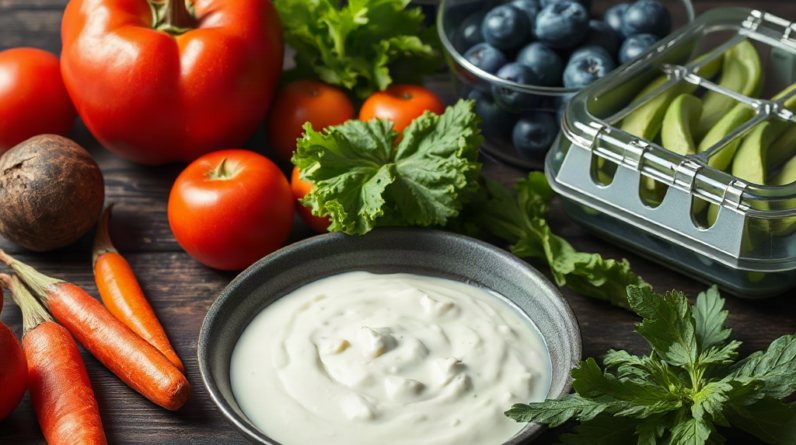
Nutrient-dense foods are those that provide a high amount of vitamins and minerals relative to their caloric content. Choosing these foods is crucial for maintaining energy levels and overall health. Examples include leafy greens, berries, legumes, and whole grains. These foods not only supply necessary nutrients but also help in weight management by keeping you fuller for longer.
Incorporating a variety of these foods into daily meals can significantly enhance health outcomes. For instance, leafy greens are rich in vitamins A, C, and K, while berries provide antioxidants that combat oxidative stress. It’s important to focus on diversity in food choices to ensure a broad spectrum of nutrients is consumed. A common mistake is sticking to a limited range of foods, which can lead to nutritional gaps.
Meal Planning Strategies for Success
Effective meal planning is an essential strategy for maintaining a healthy lifestyle. Start by setting aside a specific time each week to plan meals, creating a shopping list that includes fresh produce, whole grains, and lean proteins. Batch cooking can also save time and ensure that healthy options are readily available. Preparing snacks in advance, such as cut vegetables or portioned nuts, can help curb unhealthy cravings.
Utilizing seasonal produce can not only enhance flavor but also reduce costs. Another significant aspect is to consider portion sizes and balance in meals. A good rule of thumb is to fill half your plate with vegetables, one-quarter with lean protein, and one-quarter with whole grains. Avoiding overly restrictive diets can also help promote long-term adherence to healthier eating habits.
Common Mistakes to Avoid
When transitioning to a healthier lifestyle, individuals often make several common mistakes that can hinder their progress. One significant mistake is relying too heavily on processed foods, which can contain hidden sugars and unhealthy fats. Additionally, neglecting to hydrate adequately can lead to fatigue and poor decision-making regarding food choices.
Another pitfall is failing to read food labels, which can result in unknowingly consuming excess sodium or preservatives. Being aware of these factors and making conscious choices can dramatically improve dietary habits. Engaging in mindful eating practices, such as savoring each bite and listening to hunger cues, can also enhance the overall eating experience.
For those interested in further exploring the topic of healthy eating, consider consulting resources from reputable health organizations or nutritionists. These can offer additional insights into creating balanced meals and understanding the importance of nutrition in daily life.
Good Health Solution is Easier Than Most People Think!
Take a Look for Yourself!
Further Reading
Authoritative Sources
- Whole Grains Council Grain Resources
wholegrainscouncil.orgPractical grain education covering whole grains, oats, milling context, and food-use guidance
- USDA FoodData Central Grain Nutrition Data
fdc.nal.usda.govUSDA food composition data useful for oats, flour, meal, and grain-based nutrition references
- USDA Agricultural Research Service
ars.usda.govAgricultural research resources related to grains, crops, processing, and food quality
Frequently Asked Questions
What are some examples of nutrient-dense foods?
Examples include leafy greens, berries, nuts, legumes, and whole grains, which provide essential vitamins and minerals.
How can I effectively meal plan?
Set aside time weekly to plan, create a shopping list, batch cook, and prepare snacks in advance to maintain healthy eating.
What are common mistakes in healthy eating?
Common mistakes include relying on processed foods, neglecting hydration, and not reading food labels, leading to poor dietary choices.
Why is portion control important?
Portion control helps manage caloric intake, prevent overeating, and maintain a healthy weight, contributing to overall well-being.
How can I stay motivated to eat healthily?
Staying motivated can involve setting realistic goals, tracking progress, and finding enjoyable healthy recipes to keep the process engaging.
Conclusion
In conclusion, a healthy lifestyle food guide serves as a valuable resource for individuals seeking to make informed dietary choices. By focusing on nutrient-dense foods, effective meal planning, and avoiding common pitfalls, individuals can enhance their overall well-being. Prioritize fresh, unprocessed ingredients and mindful eating practices to achieve lasting health benefits. Start today by assessing your current eating habits and making small, manageable changes that align with your health goals.

Good Health Solution is Easier Than Most People Think!
Take a Look for Yourself!