Instead, aim for a balanced approach that includes all food groups, ensuring you get essential vitamins and minerals. Additionally, practicing portion control and mindful eating can help you enjoy your meals while avoiding overeating. Establishing a routine that fits your lifestyle will make it easier to stick to your healthy eating goals.
Understanding Whole Foods
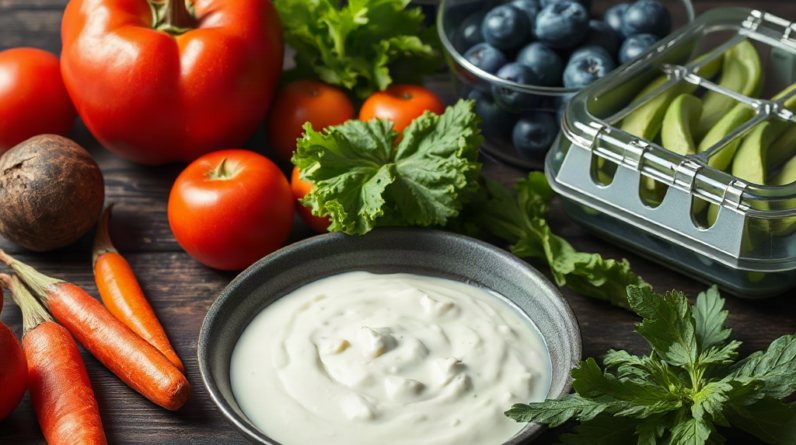
Whole foods are foods that are minimally processed and free from artificial ingredients. These include fresh fruits, vegetables, whole grains, nuts, seeds, and lean meats. By centering your diet around these foods, you can ensure that you are providing your body with the nutrients it needs to function optimally. Whole foods are generally richer in vitamins, minerals, and fiber compared to processed alternatives, which can lead to improved health outcomes.
To effectively incorporate whole foods into your diet, try to fill your plate with colorful fruits and vegetables, choose whole grains like brown rice or quinoa, and opt for lean protein sources such as chicken, fish, or legumes. This variety not only enhances the nutritional quality of your meals but also keeps them interesting and satisfying. Experimenting with different recipes and cooking methods can help you discover new favorites.
Meal Planning Strategies
Meal planning is a powerful tool for maintaining a healthy diet. It involves preparing meals ahead of time to ensure you have nutritious options available throughout the week. Start by dedicating time each week to plan your meals, taking into account your schedule and preferences. Create a shopping list based on your meal plan to streamline grocery shopping and avoid impulse purchases.
Consider batch cooking meals in advance, which can save time during busy weekdays. For instance, you can prepare a large pot of vegetable soup or quinoa salad that can be portioned out for lunches or dinners. Additionally, keeping healthy snacks on hand, such as cut-up fruits or nuts, can help you resist unhealthy cravings between meals.
Common Pitfalls to Avoid
While striving for a healthy diet, it’s essential to be aware of common pitfalls that can derail your efforts. One major issue is the consumption of hidden sugars found in many processed foods. These sugars can lead to weight gain and other health issues if not monitored. Always read labels to identify added sugars and opt for natural alternatives whenever possible.
Another pitfall is skipping meals or relying on fast food due to convenience. This can lead to overeating later or choosing unhealthy options when you’re excessively hungry. Instead, aim for regular meal times, and prioritize preparing healthy options at home. By being mindful of these potential traps, you can better navigate your dietary choices.
Creating a Sustainable Routine
Establishing a sustainable routine is crucial for long-term success in following a healthy diet. Start by setting realistic goals that fit your lifestyle. This may include committing to cooking at home a certain number of times per week or trying new healthy recipes regularly. Consistency is vital, so find a routine that works for you without feeling overwhelming.
Incorporate social support into your journey by involving family or friends in your healthy eating efforts. Sharing meals and cooking together can make the process enjoyable and foster accountability. Remember to be patient with yourself; developing new habits takes time, and it’s essential to celebrate small victories along the way.
Further Reading
Authoritative Sources
Good Health Solution is Easier Than Most People Think!
Take a Look for Yourself!
Authoritative Sources
- Choose My Plate
choosemyplate.govA practical resource for understanding balanced meals and portion sizes
- Academy of Nutrition and Dietetics
eatright.orgOffers reliable information on nutrition and healthy eating practices
- U.S. Department of Health and Human Services
health.govProvides guidelines and resources for maintaining a healthy diet
Frequently Asked Questions
What are the main components of a healthy diet?
A healthy diet consists of a variety of whole foods, including fruits, vegetables, whole grains, lean proteins, and healthy fats.
How can I start meal planning effectively?
Begin by setting aside time each week to plan your meals, create a shopping list, and prepare meals in advance for convenience.
What should I avoid when trying to eat healthily?
Avoid processed foods high in sugar and unhealthy fats, as well as skipping meals which can lead to poor choices later.
How can I maintain a healthy diet while eating out?
Choose restaurants that offer healthy options, and don’t hesitate to ask for modifications to meals to make them healthier.
What role does hydration play in a healthy diet?
Staying hydrated is essential for overall health; water supports digestion, nutrient absorption, and can help control appetite.
Conclusion
Following a healthy diet is a lifelong commitment that requires mindful choices and planning. By prioritizing whole foods, utilizing effective meal planning strategies, and being aware of common pitfalls, you can create a sustainable routine that supports your health goals. Remember that small, consistent changes can lead to significant improvements over time, so focus on what works best for your lifestyle. Embrace the journey of healthy eating, and celebrate your progress along the way.

Good Health Solution is Easier Than Most People Think!
Take a Look for Yourself!