
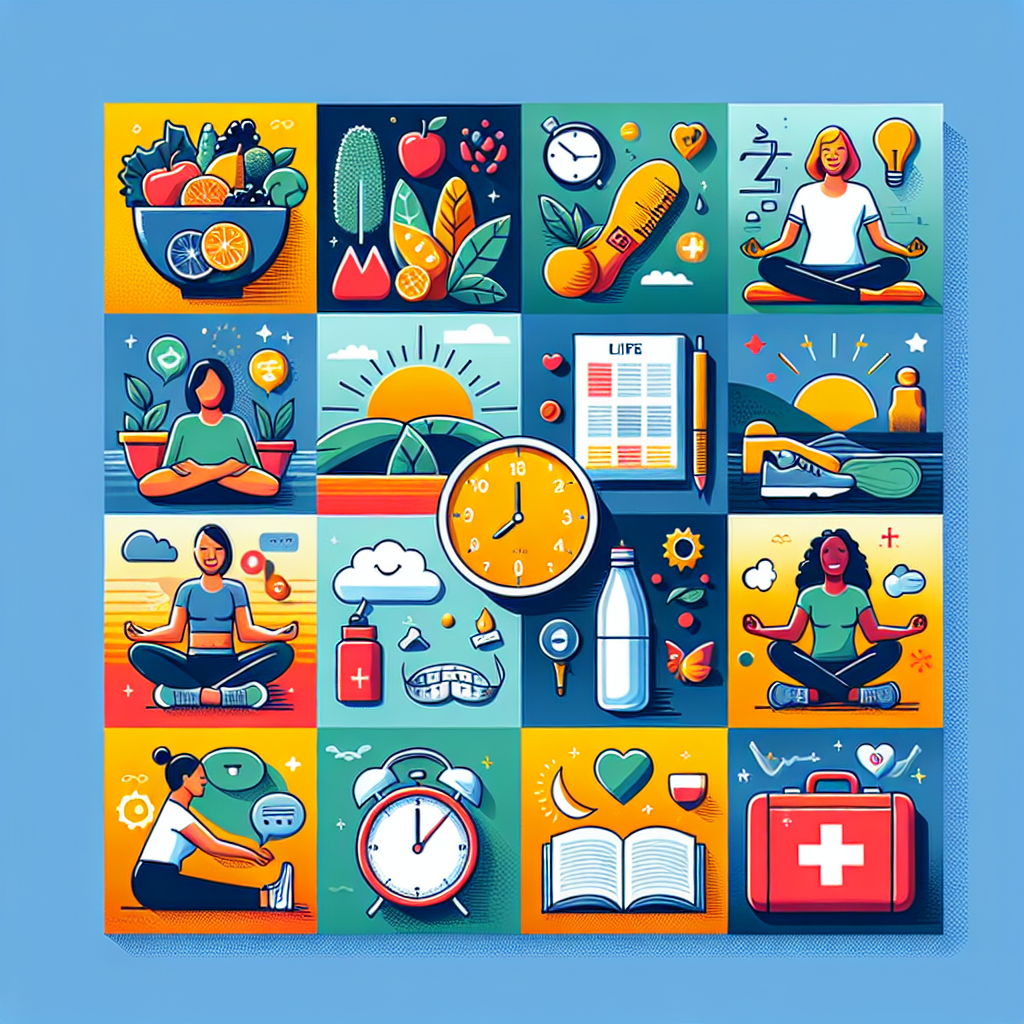
This can be achieved by incorporating a variety of nutrient-rich foods into your daily meals, focusing on whole grains, lean proteins, fruits, and vegetables.
Understanding these needs is crucial for effective nutrition for everyday living. Every individual has unique nutritional requirements based on factors such as age, gender, activity level, and health status.
Understanding Nutritional Needs
Every individual has unique nutritional requirements based on factors such as age, gender, activity level, and health status. Understanding these needs is crucial for effective nutrition for everyday living. For instance, younger individuals may require more calories and protein for growth, whereas older adults might need fewer calories but more calcium and vitamin D to maintain bone health.
To assess your nutritional needs, consider consulting with a healthcare professional or registered dietitian who can provide personalized recommendations. Additionally, keeping a food diary can help identify areas where your diet may be lacking, allowing you to make informed adjustments.
Meal Planning Strategies
Meal planning is a vital component of maintaining a healthy diet. It involves preparing meals in advance to ensure you have nutritious options readily available. Effective meal planning can save time, reduce food waste, and help you stick to your dietary goals.
Start by creating a weekly meal schedule that includes breakfast, lunch, dinner, and snacks. Consider batch cooking meals that can be easily reheated throughout the week. Always keep a well-stocked pantry with healthy staples, such as canned beans, rice, and frozen vegetables, to make meal preparation more convenient.
Mindful Eating Practices
Mindful eating involves being present and fully engaged during meals. This practice encourages individuals to savor their food, recognize hunger and fullness cues, and appreciate the nutritional value of what they consume. By focusing on the eating experience, you can develop a healthier relationship with food.
To practice mindful eating, try eliminating distractions during meals, such as watching TV or scrolling through your phone. Instead, take the time to enjoy each bite and reflect on the flavors and textures of your food. This approach can help prevent overeating and promote a more satisfying eating experience.
Common Nutritional Pitfalls
Despite best intentions, many individuals fall into common nutritional pitfalls that can undermine their health goals. One such pitfall is relying on processed foods, which often contain high levels of sugar, salt, and unhealthy fats. These foods can lead to weight gain and other health issues if consumed excessively.
Another common mistake is neglecting hydration. Drinking enough water is essential for maintaining energy levels and overall health. Aim to drink at least eight glasses of water a day, and consider carrying a reusable water bottle to help remind you to stay hydrated.
Good Health Solution is Easier Than Most People Think!
Take a Look for Yourself!
Further Reading
Authoritative Sources
- NIH Office of Dietary Supplements
ods.od.nih.govEvidence-based information on vitamins, minerals, supplements, and nutrition-related questions
- USDA FoodData Central
fdc.nal.usda.govUSDA nutrient data for foods and ingredients used in nutrition decisions
- Harvard T.H. Chan School of Public Health Nutrition Source
hsph.harvard.eduPublic health nutrition guidance and educational resources
Frequently Asked Questions
What are the key components of a balanced diet?
A balanced diet includes a variety of foods from all food groups, such as fruits, vegetables, whole grains, lean proteins, and healthy fats.
How can I improve my meal planning skills?
Start by creating a weekly meal schedule, preparing meals in advance, and keeping a well-stocked pantry with healthy staples.
What is mindful eating?
Mindful eating is the practice of being present and fully engaged while eating, helping individuals appreciate their food and recognize hunger and fullness cues.
Why is hydration important for nutrition?
Hydration is essential for maintaining energy levels, supporting digestion, and overall health; aim for at least eight glasses of water a day.
What are common mistakes in nutrition?
Common mistakes include relying on processed foods, neglecting hydration, and not paying attention to portion sizes.