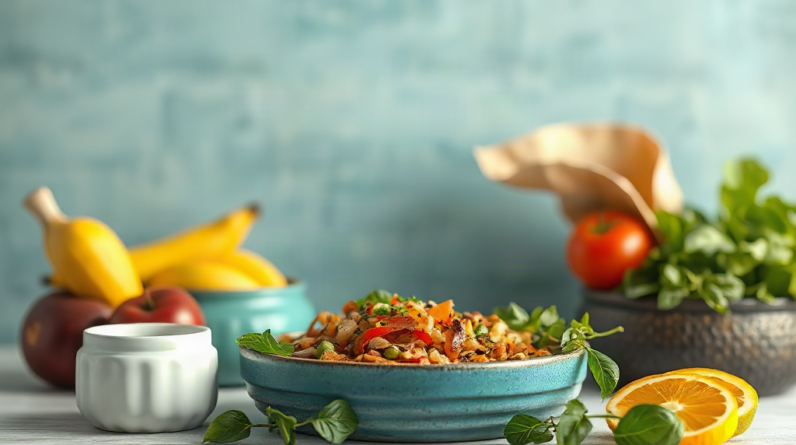
Incorporating fruits, vegetables, whole grains, lean proteins, and healthy fats into daily meals can lead to improved energy levels, better mood regulation, and enhanced immune function. Conversely, a diet high in processed foods, refined sugars, and unhealthy fats can lead to weight gain, inflammation, and various health issues.
Conversely, a diet high in processed foods, refined sugars, and unhealthy fats can lead to weight gain, inflammation, and various health issues. Common mistakes include following fad diets that may not be sustainable or nutritionally balanced.
Understanding Nutritional Needs
Every person has unique nutritional needs based on factors such as age, gender, activity level, and health status. It is essential to recognize these individual differences to tailor dietary choices effectively. A registered dietitian can provide personalized guidance, helping individuals understand their specific requirements and how to meet them through food.
Common mistakes include following fad diets that may not be sustainable or nutritionally balanced. Instead, focusing on a varied diet that includes a wide range of food groups can help individuals achieve their health goals without compromising their nutritional needs.
Key Components of a Healthy Diet
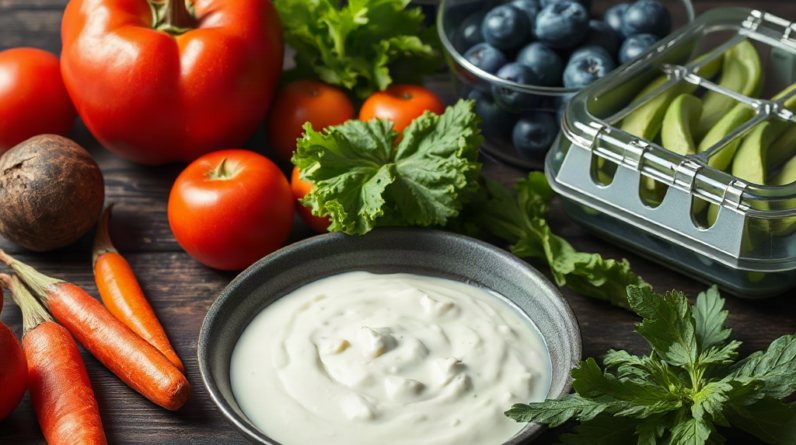
A healthy diet comprises several key components that work synergistically to support overall health. These include fruits, vegetables, whole grains, lean proteins, and healthy fats. Each of these components offers unique benefits, from providing essential vitamins to supporting muscle repair and energy levels.
For example, fruits and vegetables are rich in antioxidants and fiber, which aid in digestion and protect against chronic diseases. Whole grains provide sustained energy and essential nutrients, while lean proteins support muscle maintenance and repair. Healthy fats, such as those found in avocados and nuts, are crucial for brain health and hormone production. Prioritizing these food groups while minimizing processed foods can significantly improve health outcomes.
Importance of Hydration
Staying adequately hydrated is a fundamental aspect of healthy living. Water plays a vital role in nearly every bodily function, from regulating temperature to aiding digestion and nutrient absorption. Insufficient hydration can lead to fatigue, headaches, and impaired cognitive function.
To ensure optimal hydration, individuals should aim to drink a minimum of eight 8-ounce glasses of water daily, adjusting for factors like activity level and climate. Incorporating hydrating foods such as fruits and vegetables can also contribute to overall fluid intake.
Physical Activity and Nutrition
Regular physical activity is essential for maintaining a healthy lifestyle and complements good nutrition. Exercise not only helps manage weight but also improves cardiovascular health, strengthens bones, and enhances mental well-being.
A balanced diet fuels physical activity, providing the necessary energy and nutrients for optimal performance. Individuals should focus on pre- and post-workout nutrition to maximize benefits, ensuring they consume adequate carbohydrates for energy and protein for muscle recovery. Combining nutrition with exercise creates a powerful synergy that supports long-term health and fitness.
Good Health Solution is Easier Than Most People Think!
Take a Look for Yourself!
Further Reading
Authoritative Sources
- NIH Office of Dietary Supplements
ods.od.nih.govEvidence-based information on vitamins, minerals, supplements, and nutrition-related questions
- USDA FoodData Central
fdc.nal.usda.govUSDA nutrient data for foods and ingredients used in nutrition decisions
- Harvard T.H. Chan School of Public Health Nutrition Source
hsph.harvard.eduPublic health nutrition guidance and educational resources
Frequently Asked Questions
What are the basic principles of healthy living and nutrition?
The basic principles include consuming a balanced diet rich in whole foods, staying hydrated, engaging in regular physical activity, and maintaining a healthy lifestyle to prevent chronic diseases.
How can I improve my diet for better health?
Improving your diet can be achieved by increasing the intake of fruits, vegetables, whole grains, and lean proteins while reducing processed foods and added sugars.
What role does hydration play in nutrition?
Hydration is crucial for overall health, aiding in digestion, nutrient absorption, and regulating body temperature, making it essential for optimal bodily functions.
What are some common dietary mistakes to avoid?
Common mistakes include skipping meals, relying on fad diets, and neglecting portion control, which can undermine nutritional goals.
How does physical activity contribute to nutrition?
Physical activity enhances the benefits of a nutritious diet by improving energy levels, supporting weight management, and promoting overall health.
Conclusion
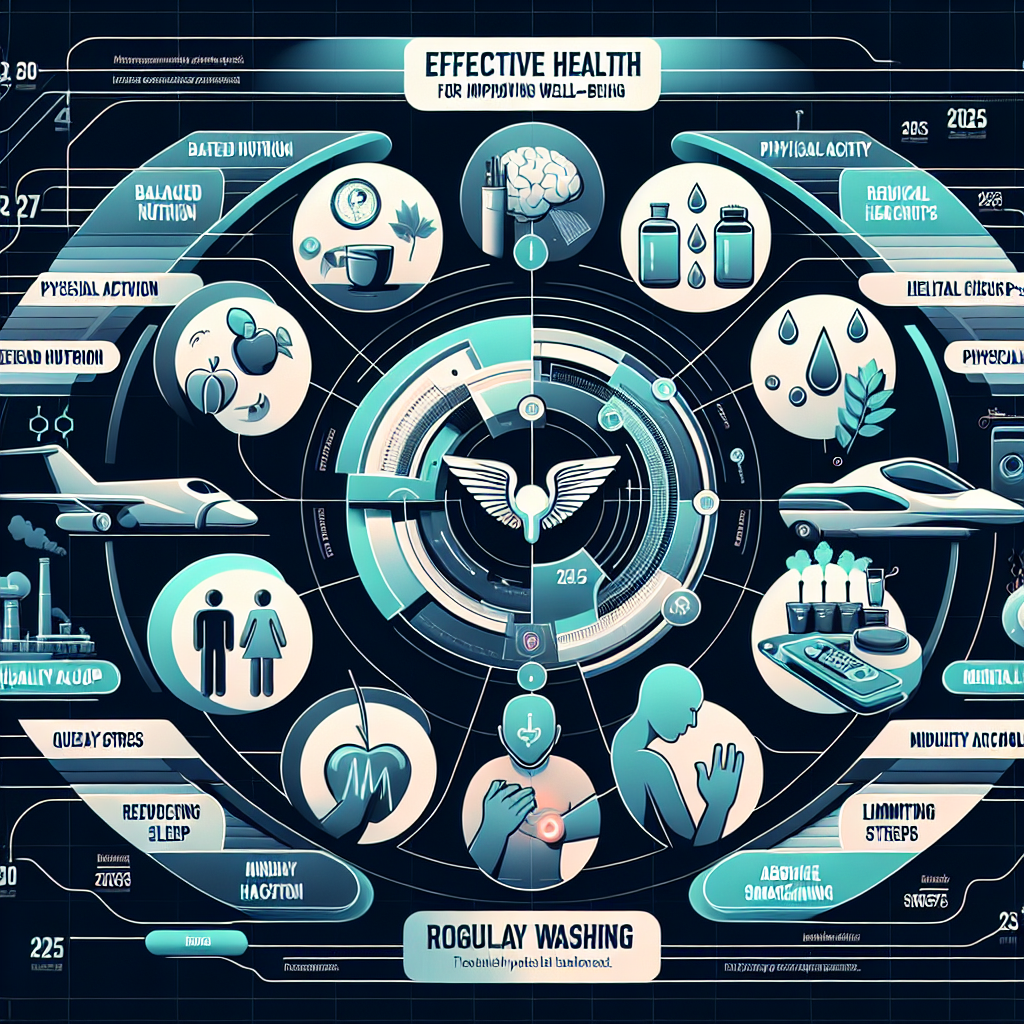
In conclusion, healthy living and nutrition are interconnected elements that significantly impact overall well-being. By prioritizing a balanced diet rich in whole foods, staying hydrated, and maintaining an active lifestyle, individuals can enhance their quality of life and reduce the risk of chronic diseases. To achieve the best results, focus on personalized dietary choices, avoid common pitfalls, and commit to regular physical activity as part of your daily routine.

Good Health Solution is Easier Than Most People Think!
Take a Look for Yourself!