Establishing a meal plan not only helps you stay organized but also encourages healthier eating habits by reducing the temptation to resort to fast food or takeout.
Additionally, consider your schedule: meal prepping can save you time during busy weeks and make healthy eating more convenient. Focus on utilizing fresh, seasonal ingredients to enhance flavor and nutrition while keeping costs manageable.
Understanding Nutritional Needs
To effectively plan healthy meals, it’s crucial to understand your individual nutritional needs based on factors such as age, gender, activity level, and health goals. This understanding will help inform your food choices and portion sizes. A balanced diet typically includes a variety of food groups: fruits, vegetables, proteins, grains, and dairy or dairy alternatives.
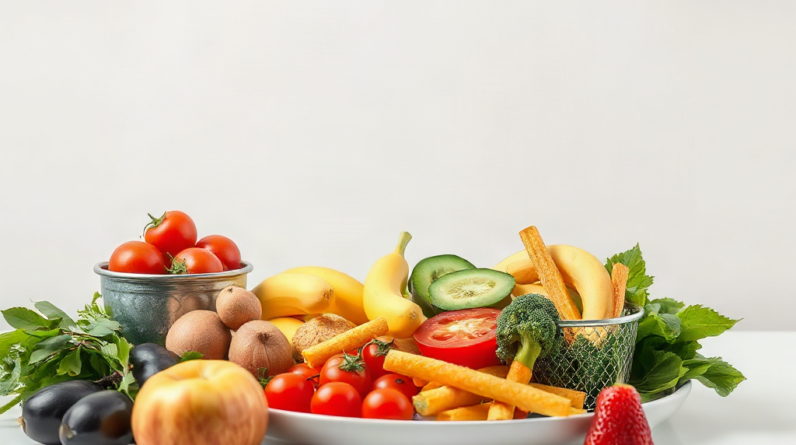
Commonly, people overlook the importance of diversity in their diets. Eating a wide range of foods not only ensures you receive essential vitamins and minerals but also helps prevent meal fatigue. For instance, incorporating different colors of vegetables can increase the range of antioxidants in your meals, which are vital for overall health.
Creating a Balanced Meal Plan
A balanced meal plan should encompass all food groups and aim for variety throughout the week. Consider including lean proteins such as chicken, fish, beans, or tofu, alongside a variety of vegetables and whole grains like brown rice or quinoa. Aim to fill half your plate with fruits and vegetables, a quarter with proteins, and a quarter with whole grains.
When drafting your meal plan, think about your weekly schedule. Allocate more time for cooking on days when you have fewer commitments, and consider batch cooking on weekends. This approach allows you to prepare multiple meals at once, making it easier to stick to your healthy eating goals during busier days.
Meal Prep Strategies
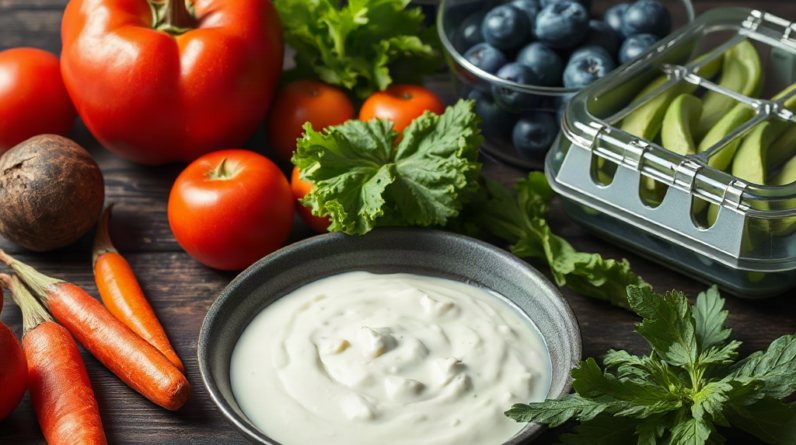
Effective meal prep is key to maintaining a healthy eating routine. Start by planning your meals for the week, creating a detailed shopping list, and organizing your kitchen to streamline the cooking process. Invest in quality storage containers to keep your prepped meals fresh and ready to eat.
One popular strategy is to dedicate a specific day for meal prep, where you can cook and portion meals for the week. This not only saves time but also minimizes the likelihood of impulsive unhealthy food choices. Consider preparing versatile components, such as roasted vegetables or grilled proteins, that can be used in various dishes throughout the week.
Common Mistakes to Avoid
While planning healthy meals, it’s important to avoid several common mistakes that can derail your efforts. One frequent pitfall is neglecting to read labels on packaged foods, which can lead to consuming hidden sugars and unhealthy fats. Another mistake is failing to plan for snacks, which can result in reaching for less healthy options when hunger strikes.
Additionally, overcomplicating your meal plan can lead to frustration and abandonment of healthy eating habits. Focus on simple, nutritious recipes that fit your lifestyle and preferences. Remember that healthy eating doesn’t have to be complicated; sometimes, the simplest meals are the most satisfying.
Good Health Solution is Easier Than Most People Think!
Take a Look for Yourself!
Further Reading
Authoritative Sources
- NIH Office of Dietary Supplements
ods.od.nih.govEvidence-based information on vitamins, minerals, supplements, and nutrition-related questions
- USDA FoodData Central
fdc.nal.usda.govUSDA nutrient data for foods and ingredients used in nutrition decisions
- Harvard T.H. Chan School of Public Health Nutrition Source
hsph.harvard.eduPublic health nutrition guidance and educational resources
Frequently Asked Questions
What are the key components of a healthy meal?
A healthy meal typically includes a balance of lean proteins, whole grains, and a variety of colorful fruits and vegetables.
How can I make meal planning easier?
Start by creating a weekly menu, organizing a shopping list, and considering batch cooking to save time during busy weeks.
What are some healthy snack options?
Healthy snack options include fresh fruits, vegetables with hummus, yogurt, and nuts, which provide nutrients and keep you satisfied.
How often should I eat to maintain a healthy diet?
Eating every 3-4 hours can help maintain energy levels and reduce hunger, but listen to your body’s cues for hunger.
Can meal prep save me money?
Yes, meal prep can save money by reducing food waste and allowing you to buy ingredients in bulk, which is often cheaper.
Conclusion
In summary, planning healthy meals at home is a proactive approach to achieving better nutrition and overall health. By understanding your nutritional needs and creating a balanced meal plan, you can simplify the process of eating well. Utilize meal prep strategies to save time and avoid common mistakes, ensuring you stay on track with your health goals. Start small, focus on whole foods, and make adjustments as needed to fit your lifestyle.

Good Health Solution is Easier Than Most People Think!
Take a Look for Yourself!