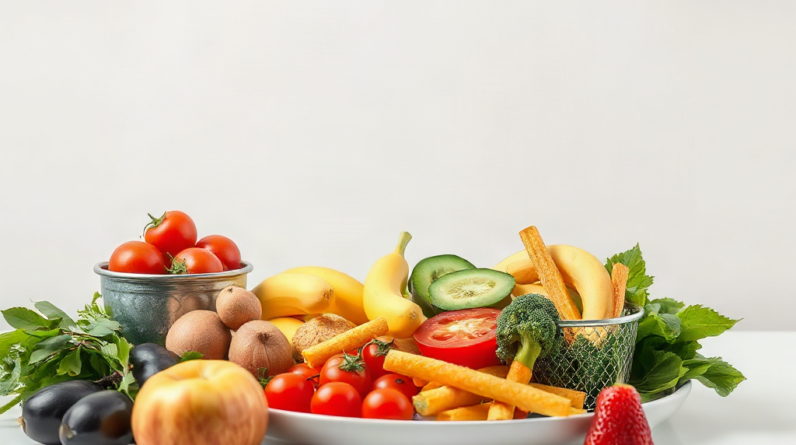
Incorporating a variety of whole grains, fruits, vegetables, lean proteins, and healthy fats into your diet can significantly improve your overall well-being.
Prioritizing whole, nutrient-dense foods can help you avoid common pitfalls associated with poor dietary choices. By making informed decisions about what you eat, you can ensure that your body receives the necessary support for optimal physical performance.
Prioritizing whole, nutrient-dense foods can help you avoid common pitfalls associated with poor dietary choices. Whole grains are a cornerstone of a healthy diet, providing essential fiber, vitamins, and minerals.
Importance of Whole Grains
Whole grains are a cornerstone of a healthy diet, providing essential fiber, vitamins, and minerals. Foods like brown rice, quinoa, and whole wheat bread contribute to digestive health and help regulate blood sugar levels. They also promote a feeling of fullness, which can assist in weight management.
Integrating whole grains into your meals can be simple and delicious. For instance, substituting white rice with quinoa or choosing whole grain pasta can enhance your nutrient intake without sacrificing taste. However, many people often overlook the difference between whole grains and refined grains, which can lead to missed health benefits.
Benefits of Fruits and Vegetables
Fruits and vegetables are packed with vitamins, minerals, and antioxidants that play crucial roles in maintaining physical health. They help combat oxidative stress, reduce inflammation, and support immune function. Eating a colorful variety ensures a broad spectrum of nutrients, which is vital for overall health.
To maximize the benefits of these foods, aim to fill half your plate with fruits and vegetables at each meal. This not only boosts your nutrient intake but also adds flavor and variety to your diet. A common mistake is sticking to the same few types, which can limit the range of nutrients consumed.
Role of Lean Proteins
Lean proteins, such as chicken, turkey, fish, legumes, and tofu, are essential for muscle repair and growth. They provide the amino acids necessary for building and repairing tissues, making them crucial for anyone engaging in physical activity.
Incorporating a variety of protein sources can help maintain a balanced diet. For example, alternating between animal and plant-based proteins can offer different nutrient profiles. A common pitfall is consuming too much red or processed meat, which can have negative health implications.
Healthy Fats and Their Impact
Healthy fats, such as those found in avocados, nuts, seeds, and olive oil, are important for brain health and hormone production. They help absorb fat-soluble vitamins and provide essential fatty acids that the body cannot produce on its own.
Incorporating healthy fats into your diet can be easy, such as adding nuts to your salads or using olive oil for cooking. However, it’s important to keep portion sizes in check, as fats are calorie-dense. Overconsumption can lead to weight gain and other health issues.
Good Health Solution is Easier Than Most People Think!
Take a Look for Yourself!
Further Reading
Authoritative Sources
- NIH Office of Dietary Supplements
ods.od.nih.govEvidence-based information on vitamins, minerals, supplements, and nutrition-related questions
- USDA FoodData Central
fdc.nal.usda.govUSDA nutrient data for foods and ingredients used in nutrition decisions
- Harvard T.H. Chan School of Public Health Nutrition Source
hsph.harvard.eduPublic health nutrition guidance and educational resources
Frequently Asked Questions
What are the best foods to boost physical health?
The best foods include whole grains, fruits, vegetables, lean proteins, and healthy fats, which together improve overall health and reduce disease risk.
How do whole grains benefit physical health?
Whole grains provide fiber, vitamins, and minerals, promoting digestive health, regulating blood sugar, and aiding in weight management.
Why are fruits and vegetables important?
Fruits and vegetables are rich in vitamins, minerals, and antioxidants that protect against oxidative stress and support the immune system.
What role do proteins play in physical health?
Proteins are crucial for muscle repair and growth, providing amino acids necessary for building and maintaining tissues.
How can I include healthy fats in my diet?
Healthy fats can be included by using olive oil for cooking, adding avocados to meals, and snacking on nuts or seeds.
Conclusion
Incorporating a variety of foods that boost physical health is essential for maintaining energy, supporting muscle recovery, and reducing disease risk. Whole grains, fruits, vegetables, lean proteins, and healthy fats should be prioritized in your diet. By making conscious choices and avoiding processed foods, you can enhance your overall health and well-being. Start today by evaluating your current diet and making small, manageable changes to include more nutrient-dense options.

Good Health Solution is Easier Than Most People Think!
Take a Look for Yourself!