
First, these foods are packed with vitamins, minerals, and antioxidants that contribute to various bodily functions and overall health. For instance, fruits and vegetables provide fiber, which aids digestion and promotes satiety, helping to manage weight. Additionally, whole grains contain essential nutrients like B vitamins and iron, which are crucial for energy metabolism. However, many individuals mistakenly assume that convenience foods are a suitable substitute for whole foods, leading to a diet lacking in essential nutrients.
Understanding Whole Foods: What They Are
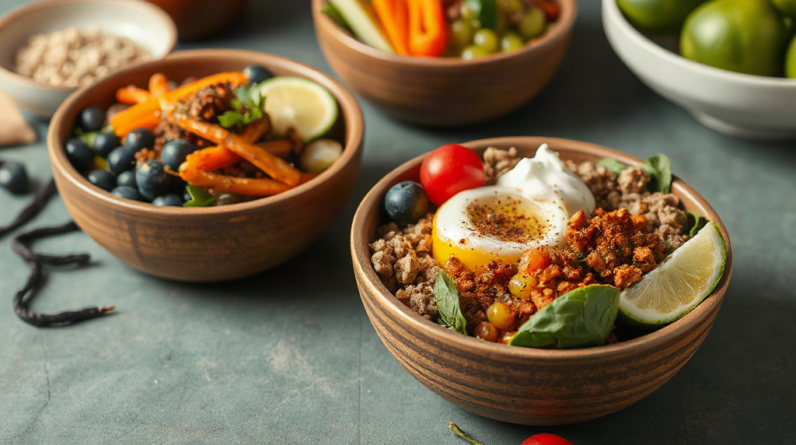
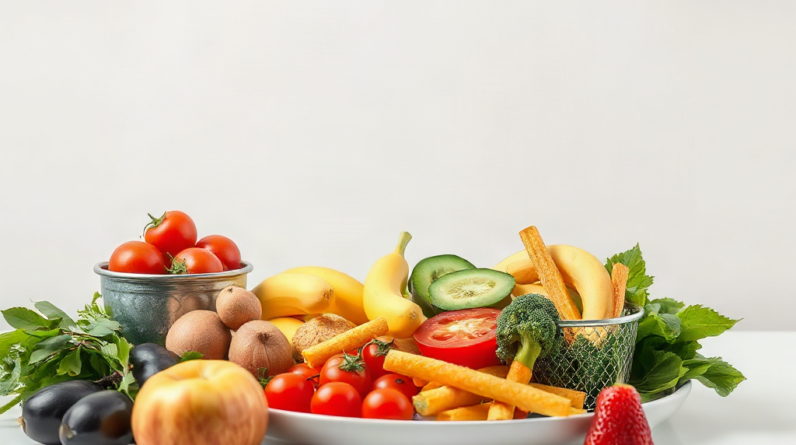
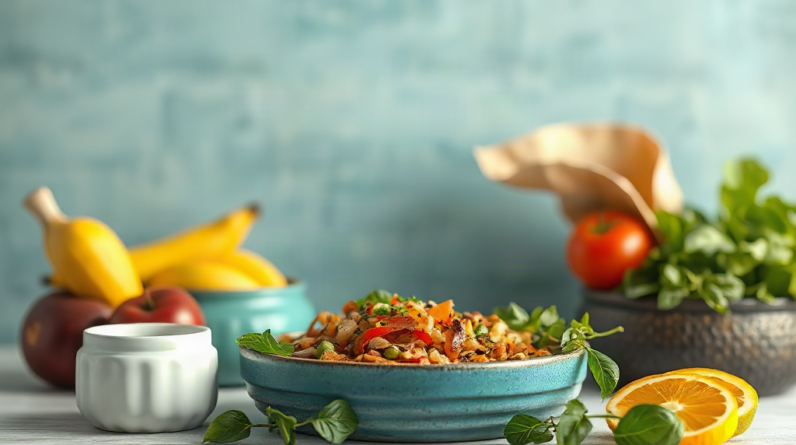
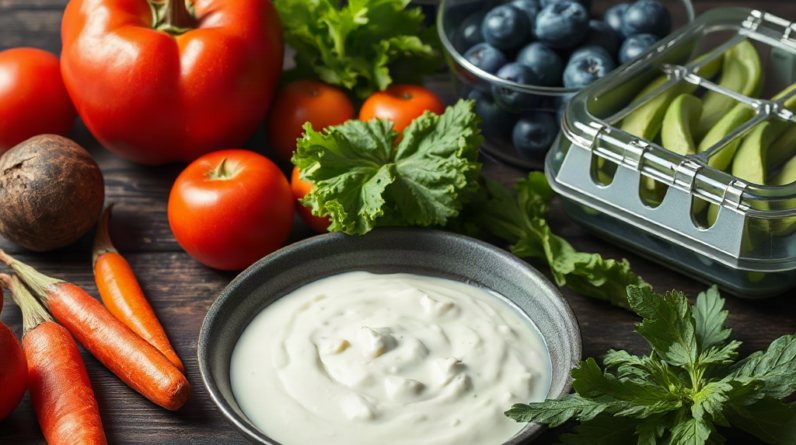
Whole foods are foods that are consumed in their natural state or have undergone minimal processing. This includes fresh fruits and vegetables, whole grains like brown rice and quinoa, legumes such as beans and lentils, nuts, and seeds. These foods retain their natural nutrients and are free from artificial ingredients and preservatives, making them a healthier choice compared to processed options.
To effectively incorporate whole foods into your daily meals, focus on shopping the perimeter of grocery stores where fresh produce, meats, and dairy products are typically located. Avoid the aisles filled with processed snacks and meals. Meal prepping can also help you maintain a whole food diet by ensuring you have healthy options readily available.
Benefits of a Whole Food Healthy Diet
A whole food healthy diet offers numerous health benefits, including improved digestion, better weight management, and reduced risk of chronic diseases such as heart disease and diabetes. Whole foods are typically high in fiber, which is essential for healthy digestive function and can help prevent constipation. Moreover, these foods are often lower in calories and higher in nutrients, making them ideal for individuals looking to manage their weight.
Another significant advantage is the reduction of inflammation in the body. Many whole foods, particularly fruits and vegetables, are rich in antioxidants and anti-inflammatory compounds that can help combat oxidative stress and inflammation, leading to better overall health. It is important to prioritize diversity in your food choices, as different foods provide various nutrients and health benefits.
Common Mistakes to Avoid
One common mistake people make when transitioning to a whole food healthy diet is assuming that all packaged foods labeled as ‘natural’ or ‘healthy’ are suitable. Many of these products can still contain added sugars, unhealthy fats, or preservatives. Always check the ingredient list to ensure you are making the healthiest choices.
Another pitfall is neglecting meal variety. Relying on a limited range of whole foods can lead to nutrient deficiencies. Aim to include a rainbow of colors in your meals by incorporating different fruits and vegetables, which will help ensure you receive a comprehensive array of nutrients.
Further Reading
For more detailed information on whole foods and their benefits, consider exploring resources from reputable organizations or nutrition experts.
Authoritative Sources
- Choose My Plate
choosemyplate.govA valuable resource for understanding balanced nutrition and the importance of whole foods in a healthy diet Good Health Solution is Easier Than Most People Think! Take a Look for Yourself!
- Academy of Nutrition and Dietetics
eatright.orgProvides evidence-based information on nutrition, including the benefits of whole foods
- Harvard T.H. Chan School of Public Health
hsph.harvard.eduOffers insights into healthy eating patterns and the role of whole foods in disease prevention
Frequently Asked Questions
What are examples of whole foods?
Examples of whole foods include fresh fruits, vegetables, whole grains like brown rice, legumes such as lentils and beans, nuts, and seeds.
How does a whole food diet benefit health?
A whole food diet benefits health by providing essential nutrients, supporting digestion, aiding weight management, and reducing the risk of chronic diseases.
Can I eat whole foods while on a budget?
Yes, you can eat whole foods on a budget by shopping in bulk, choosing seasonal produce, and prioritizing less expensive staples like beans and rice.
What are common misconceptions about whole foods?
Common misconceptions include believing that all ‘natural’ packaged foods are healthy and that whole foods are always more expensive than processed foods.
How can I incorporate more whole foods into my diet?
You can incorporate more whole foods by meal prepping, focusing on fresh produce, and experimenting with new recipes that highlight these ingredients.
Conclusion
Adopting a whole food healthy diet is a powerful way to enhance your overall well-being. It is essential to prioritize a variety of nutrient-dense foods while avoiding processed options that can undermine your health goals. By making informed choices and being mindful of common pitfalls, you can effectively integrate whole foods into your daily routine. Start by gradually incorporating more whole foods into your meals and prioritize diversity to ensure you meet your nutritional needs. Your body will thank you for it.

Good Health Solution is Easier Than Most People Think!
Take a Look for Yourself!