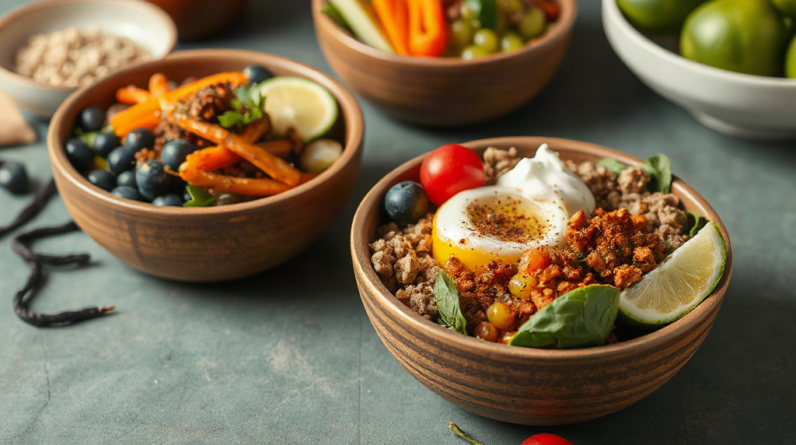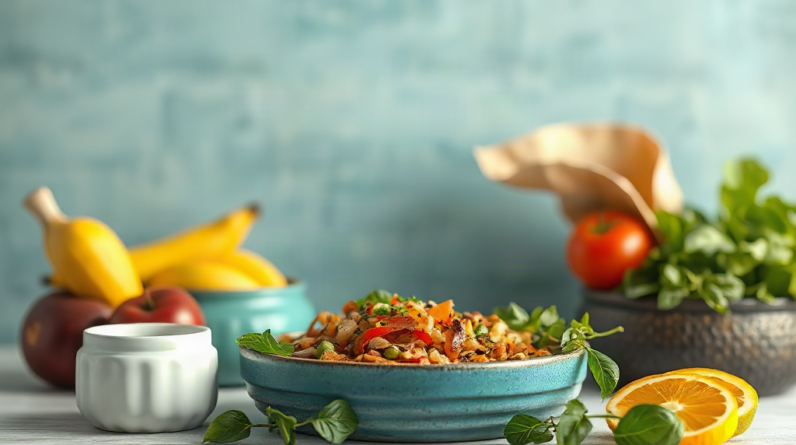
Leafy greens such as spinach and kale are excellent sources of vitamins A, C, and K, while fruits like berries and citrus provide a wealth of antioxidants that help combat oxidative stress. Whole grains like quinoa and brown rice offer fiber and essential B vitamins, which support digestion and energy metabolism.
Fruits and vegetables should form the cornerstone of any healthy diet food list. Whole grains like quinoa and brown rice offer fiber and essential B vitamins, which support digestion and energy metabolism.
Fruits and Vegetables
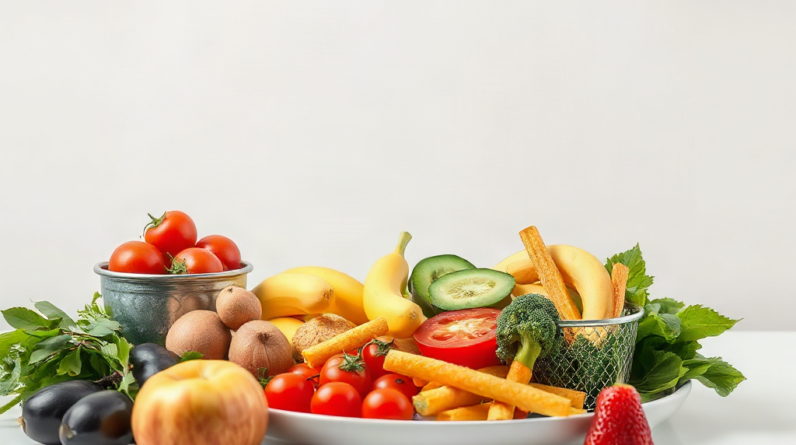
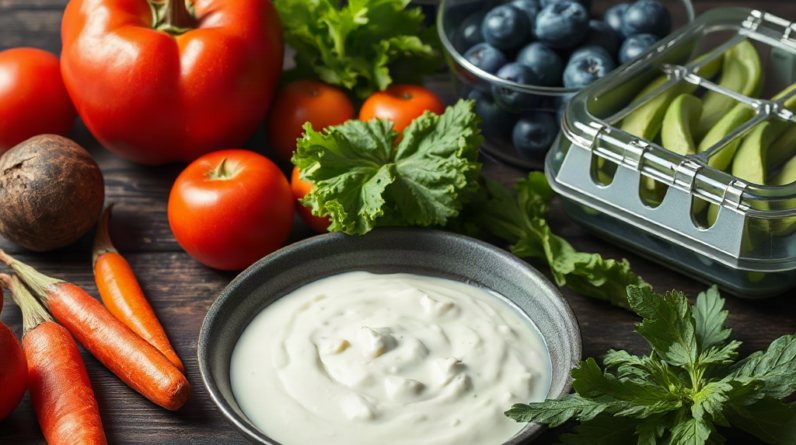
Fruits and vegetables should form the cornerstone of any healthy diet food list. They are packed with essential nutrients while being low in calories. Incorporating a variety of colors ensures a broad spectrum of vitamins and minerals. For example, red and orange fruits and vegetables are rich in beta-carotene, while dark leafy greens are high in iron and calcium.
To maximize the benefits, aim to fill half your plate with fruits and vegetables at each meal. This habit not only enhances health but also aids in weight management by providing fiber that promotes satiety. Be mindful of the seasonality of produce and opt for locally sourced options whenever possible to ensure freshness and flavor.
Whole Grains
Whole grains are an essential component of a healthy diet, contributing to heart health and digestive wellness. Foods such as brown rice, barley, and whole grain bread are excellent sources of fiber, which helps regulate blood sugar levels and supports gut health.
When selecting grains, look for options labeled as ‘whole grain’ to ensure you are getting the full nutritional benefits. Incorporating whole grains into your meals can be as simple as replacing white rice with quinoa or choosing whole-wheat pasta over regular pasta. This small change can have a significant impact on your overall nutrient intake.
Lean Proteins
Lean proteins play a crucial role in building and repairing tissues, making them an important part of a healthy diet food list. Sources such as chicken breast, turkey, fish, legumes, and tofu provide essential amino acids without excessive saturated fat.
To ensure you are consuming a variety of protein sources, consider incorporating plant-based proteins into your diet. Foods like lentils, chickpeas, and edamame are not only nutritious but also provide fiber, making them a great choice for overall health. Aim for at least two servings of fish per week to benefit from omega-3 fatty acids, which are known for their heart-protective properties.
Healthy Fats
Incorporating healthy fats into your diet is essential for optimal health. Foods such as avocados, nuts, seeds, and olive oil are rich in monounsaturated and polyunsaturated fats, which can help lower bad cholesterol levels and reduce the risk of heart disease.
When adding fats to your meals, focus on moderation. For instance, a handful of nuts or a drizzle of olive oil can enhance flavor while providing beneficial nutrients. Avoid trans fats and limit saturated fats found in processed foods to maintain a balanced diet.
Good Health Solution is Easier Than Most People Think!
Take a Look for Yourself!
Further Reading
Authoritative Sources
- NIH Office of Dietary Supplements
ods.od.nih.govEvidence-based information on vitamins, minerals, supplements, and nutrition-related questions
- USDA FoodData Central
fdc.nal.usda.govUSDA nutrient data for foods and ingredients used in nutrition decisions
- Harvard T.H. Chan School of Public Health Nutrition Source
hsph.harvard.eduPublic health nutrition guidance and educational resources
Frequently Asked Questions
What foods should be on a healthy diet food list?
A healthy diet food list should include fruits, vegetables, whole grains, lean proteins, and healthy fats.
How can I make my meals healthier?
Incorporate more whole foods, reduce processed items, and add a variety of colorful fruits and vegetables.
Are all fats unhealthy?
No, healthy fats from sources like avocados and nuts are beneficial for heart health.
How much protein do I need daily?
Most adults need about 46-56 grams of protein daily, depending on age, sex, and activity level.
Can I eat carbs on a healthy diet?
Yes, focus on whole grains and limit refined carbohydrates for balanced nutrition.
Conclusion
To maintain a healthy diet, prioritize a diverse range of foods that provide essential nutrients. Fill your meals with fruits, vegetables, whole grains, lean proteins, and healthy fats to support overall health. Remember to be mindful of portion sizes and the quality of foods you choose, as these factors can significantly impact your well-being. By making informed choices and incorporating a variety of nutritious ingredients, you can effectively support your health goals and enhance your quality of life.

Good Health Solution is Easier Than Most People Think!
Take a Look for Yourself!