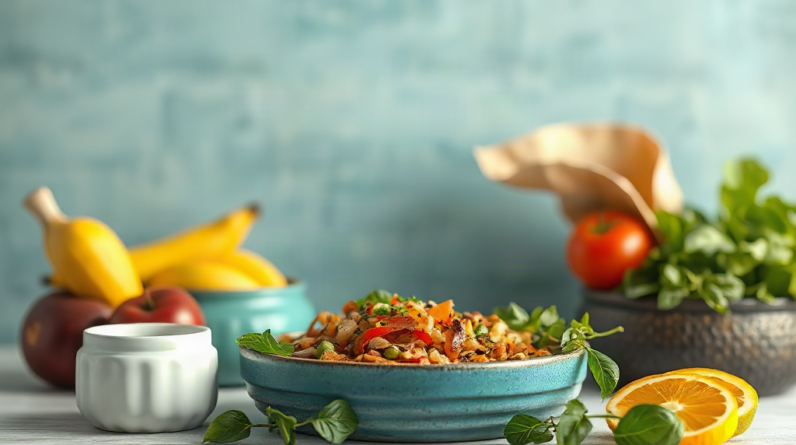
Each meal should ideally contain a source of protein (like chicken, fish, or legumes), healthy fats (such as avocados or nuts), and complex carbohydrates (like brown rice or quinoa). This balance helps maintain steady energy levels and supports overall health. Additionally, consider your daily schedule; planning meals that can be easily prepared or batch-cooked can save time and reduce the temptation to opt for unhealthy options.
Another critical aspect of meal planning is to remain mindful of portion sizes and personal dietary restrictions. Many people underestimate the importance of portion control, which can lead to overeating even healthy foods. To avoid this, using measuring cups or a food scale can help you stay within recommended serving sizes. Furthermore, if you have specific dietary needs, such as allergies or intolerances, be sure to factor those into your planning to ensure your meals are safe and enjoyable.
Understanding Macronutrients
Macronutrients are the nutrients that provide energy and are essential for growth and maintenance. They include carbohydrates, proteins, and fats. Understanding how to balance these is crucial for creating a healthy meal plan. Carbohydrates are the body’s primary energy source, proteins are vital for muscle repair and growth, and fats are crucial for hormone production and nutrient absorption. Each macronutrient plays a significant role in overall health, and their balance can affect weight management and energy levels.
When planning meals, aim for a macronutrient distribution that aligns with your health goals. For instance, if you are trying to lose weight, a higher protein intake may help you feel fuller for longer. Conversely, if you are an athlete, you might focus more on carbohydrates to fuel your workouts. Understanding your individual needs will help you create a more effective meal plan.
Choosing the Right Foods
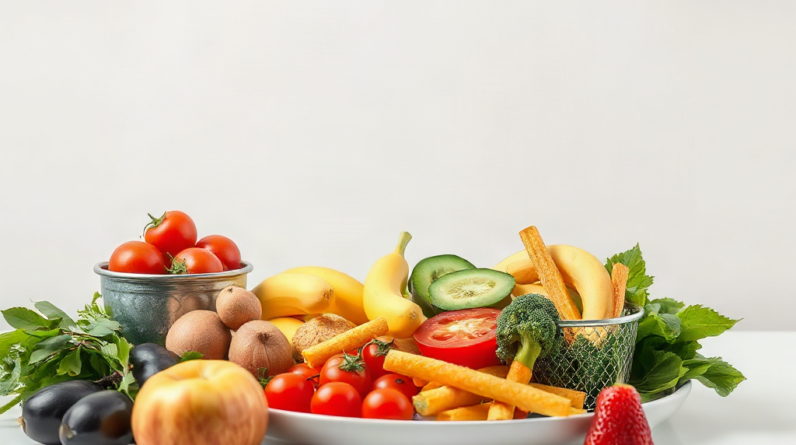
Selecting the right foods is essential for a healthy meal plan. Aim for a variety of fruits and vegetables, as they provide vital vitamins, minerals, and antioxidants. Whole grains should replace refined grains, as they are higher in fiber and nutrients. Lean proteins such as chicken, turkey, fish, beans, and legumes are excellent choices. Healthy fats, found in foods like nuts, seeds, and olive oil, are also important for heart health.
Consider creating a grocery list based on your meal plan to make shopping easier and to avoid impulse buys. Seasonal produce can also offer both freshness and cost savings, so keep that in mind when planning your meals.
Meal Prep Strategies
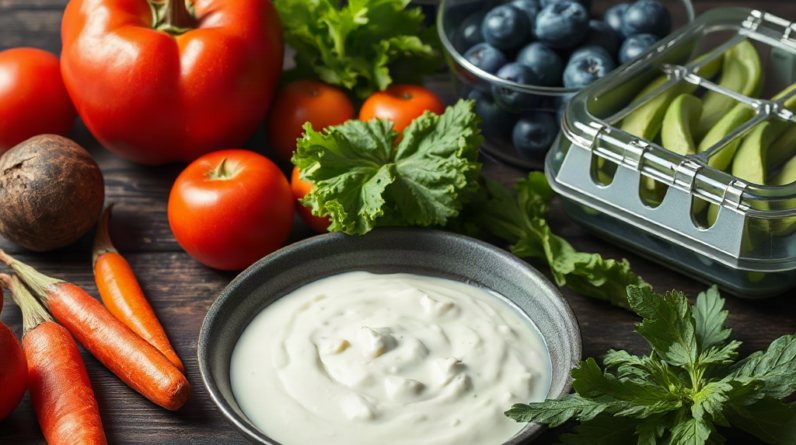
Meal prepping is a practical approach to ensure you stick to your healthy eating goals. Start by dedicating a few hours each week to prepare meals in advance. This can involve cooking larger portions of grains and proteins and dividing them into individual containers for easy access throughout the week.
Batch cooking can save time and reduce the stress of daily meal preparation. You might also consider freezing portions for later use, which can help prevent food waste. When prepping, ensure that your meals are balanced and incorporate a variety of colors and textures to keep things interesting.
Common Mistakes to Avoid
One common mistake people make when creating a meal plan is neglecting to incorporate variety. Eating the same foods can lead to boredom and may cause you to abandon your meal plan altogether. Ensure that you rotate different recipes and ingredients to keep your meals exciting.
Another pitfall is not accounting for snacks. Healthy snacks should be included in your meal plan to help maintain energy levels and prevent overeating at meal times. Choose snacks that are nutrient-dense, such as fruits, nuts, or yogurt, to support your overall nutritional goals.
Good Health Solution is Easier Than Most People Think!
Take a Look for Yourself!
Further Reading
Authoritative Sources
- Whole Grains Council Grain Resources
wholegrainscouncil.orgPractical grain education covering whole grains, oats, milling context, and food-use guidance
- USDA FoodData Central Grain Nutrition Data
fdc.nal.usda.govUSDA food composition data useful for oats, flour, meal, and grain-based nutrition references
- USDA Agricultural Research Service
ars.usda.govAgricultural research resources related to grains, crops, processing, and food quality
Frequently Asked Questions
What is the first step in creating a healthy meal plan?
The first step is to identify your dietary needs and goals, which will guide your food choices and meal structure.
How can I ensure variety in my meal plan?
Incorporate a wide range of fruits, vegetables, grains, and proteins, and experiment with different recipes each week.
Should I include snacks in my meal plan?
Yes, including healthy snacks can help maintain energy levels and prevent overeating during meals.
How often should I meal prep?
Many people find it beneficial to meal prep once a week, but you can adjust the frequency based on your schedule and preferences.
What are some common mistakes to avoid when meal planning?
Common mistakes include not being flexible with your plan, neglecting portion control, and not incorporating enough variety.
Conclusion
Creating a healthy meal plan is a valuable investment in your well-being. By prioritizing whole foods, balancing macronutrients, and allowing for flexibility, you can maintain a nutritious diet that supports your lifestyle. Remember to avoid common pitfalls like boredom and neglecting snacks, and make meal prep a regular part of your routine. With careful planning and a little creativity, you can enjoy delicious meals while meeting your health goals.

Good Health Solution is Easier Than Most People Think!
Take a Look for Yourself!