Start by assessing your weekly schedule to identify time constraints, then create a meal plan that accommodates these factors. This approach helps prevent impulsive decisions that often lead to unhealthy eating habits. Meal prepping can be a game changer; by preparing meals in advance, you reduce the likelihood of reaching for quick, unhealthy options when time is tight.
To create healthy meals, start by selecting nutrient-dense ingredients that provide essential vitamins and minerals. Meal prepping can be a game changer; by preparing meals in advance, you reduce the likelihood of reaching for quick, unhealthy options when time is tight.
Choosing Nutrient-Dense Ingredients
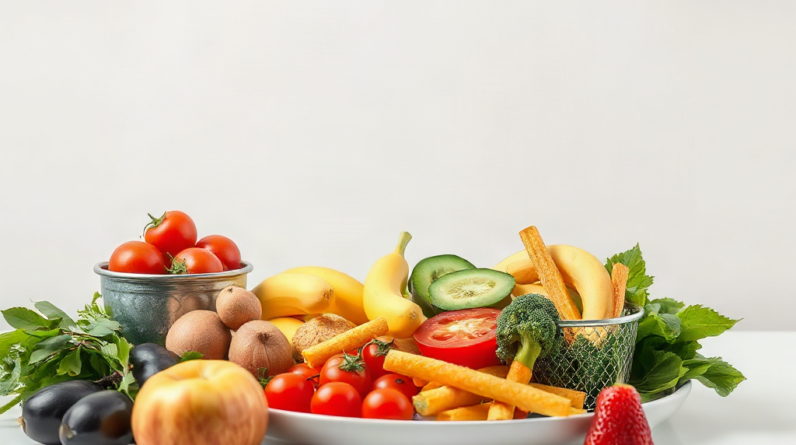
To create healthy meals, start by selecting nutrient-dense ingredients that provide essential vitamins and minerals. Focus on incorporating a variety of fruits and vegetables, as they are rich in antioxidants and fibers that promote good health. Include whole grains such as brown rice, quinoa, and oats, which offer complex carbohydrates and additional fiber.
Additionally, lean proteins like chicken, fish, beans, and legumes are vital for muscle repair and overall bodily functions. Healthy fats from sources like avocados, nuts, and olive oil support heart health and enhance the absorption of fat-soluble vitamins. By prioritizing these foods, you can ensure that your meals are both nutritious and satisfying.
Creating a Balanced Meal Plan
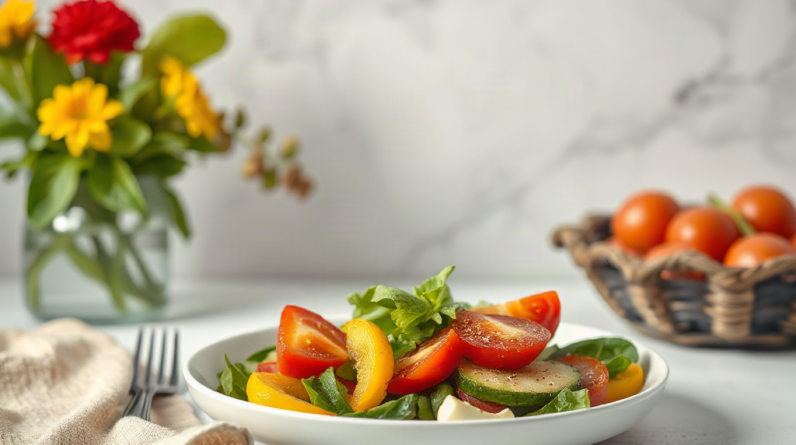
A balanced meal plan should include a mix of macronutrients to support energy levels and overall health. Aim to fill half your plate with fruits and vegetables, one quarter with lean proteins, and one quarter with whole grains. This structure helps maintain energy levels and keeps you feeling full longer.
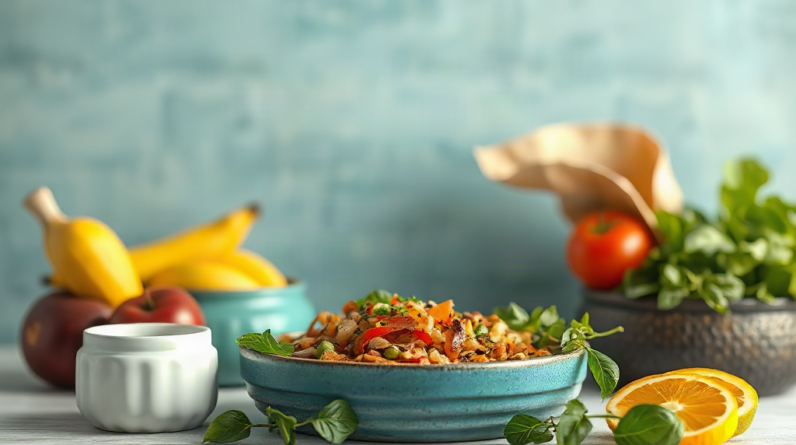
When planning meals, consider the different cooking methods that can enhance flavor without adding unhealthy fats. Steaming, grilling, and baking are excellent options that preserve the nutritional value of your ingredients. Additionally, experimenting with herbs and spices can elevate meals without relying on excessive salt or sugar.
Meal Prepping for Success
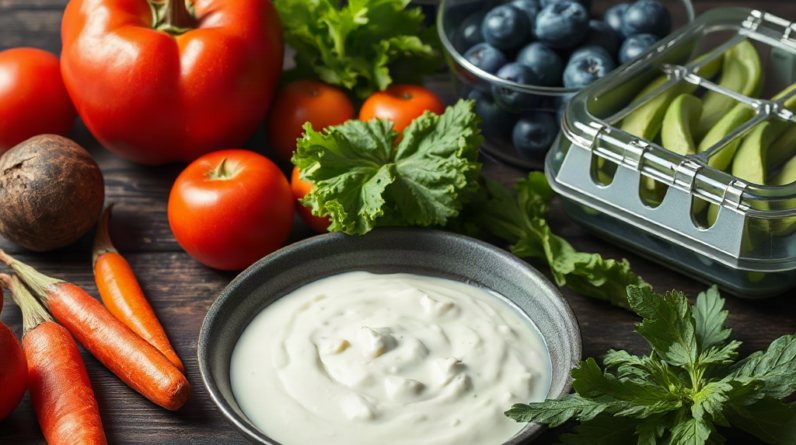
Meal prepping is an effective strategy to streamline your cooking process and ensure you have healthy meals ready to go. Set aside a few hours each week to prepare ingredients or full meals in advance. Chop vegetables, cook grains, and portion out proteins to make assembling meals during the week quick and easy.
Investing in quality containers can also help keep your meals fresh and organized. Labeling containers with dates can prevent food waste and ensure you consume meals at their peak freshness. This proactive approach not only saves time but also helps you stick to your healthy eating goals.
Avoiding Common Mistakes
Even with the best intentions, there are several common mistakes to avoid when planning healthy meals at home. One major pitfall is neglecting portion control, which can lead to overeating, even with healthy foods. Be mindful of serving sizes and listen to your body’s hunger cues.
Another mistake is relying too heavily on convenience foods, thinking they are healthier just because they are marketed as such. Always read labels and be wary of added sugars, sodium, and preservatives. Lastly, be flexible with your meal plan; life can be unpredictable, and being adaptable will help you maintain healthy eating habits without feeling restricted.
Good Health Solution is Easier Than Most People Think!
Take a Look for Yourself!
Further Reading
Authoritative Sources
- NIH Office of Dietary Supplements
ods.od.nih.govEvidence-based information on vitamins, minerals, supplements, and nutrition-related questions
- USDA FoodData Central
fdc.nal.usda.govUSDA nutrient data for foods and ingredients used in nutrition decisions
- Harvard T.H. Chan School of Public Health Nutrition Source
hsph.harvard.eduPublic health nutrition guidance and educational resources
Frequently Asked Questions
What are the benefits of planning meals at home?
Planning meals at home allows for greater control over ingredients, helping to promote healthier eating habits and save money.
How can I start meal prepping effectively?
Begin by selecting a few recipes, shopping for ingredients, and dedicating time each week to prepare meals in advance.
What foods should I prioritize for healthy meals?
Focus on whole grains, lean proteins, fruits, and vegetables while minimizing processed foods and added sugars.
How do I avoid getting bored with healthy meals?
Experiment with new recipes, cooking methods, and spices to keep your meals exciting and flavorful.
Can meal planning help with weight loss?
Yes, meal planning can aid in weight loss by promoting portion control and reducing the likelihood of unhealthy food choices.
Conclusion
In conclusion, planning healthy meals at home is an essential practice for maintaining a balanced diet and achieving long-term health goals. By choosing nutrient-dense ingredients, creating a balanced meal plan, and implementing effective meal prepping strategies, you can significantly improve your dietary habits. Avoiding common mistakes, such as neglecting portion control and relying on convenience foods, will further enhance your success. Prioritize these steps to make healthy eating a sustainable and enjoyable part of your daily routine.

Good Health Solution is Easier Than Most People Think!
Take a Look for Yourself!