
By prioritizing meal planning and preparation, you can maintain consistency in your dietary choices, making it easier to achieve your health goals.
Understanding the importance of portion control and practicing mindful eating can significantly enhance your dietary habits, helping you make informed choices that align with your health objectives.
Healthy fats, found in foods like avocados, nuts, and olive oil, are crucial for brain health and hormone production. By prioritizing meal planning and preparation, you can maintain consistency in your dietary choices, making it easier to achieve your health goals.
Core Components of a Healthy Diet
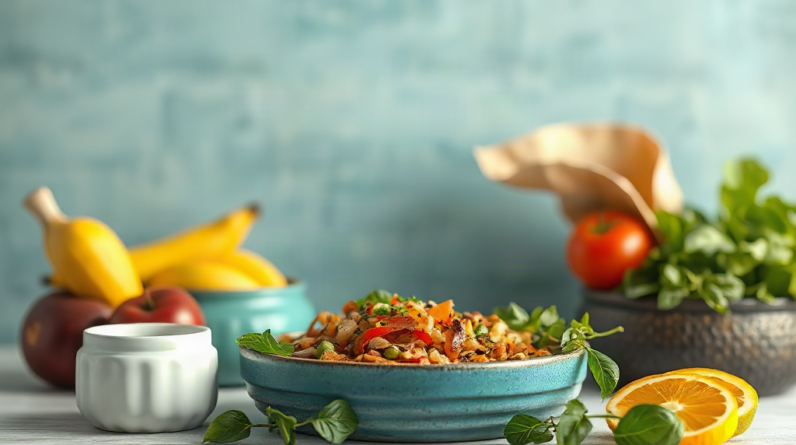
A well-rounded diet includes a variety of food groups that contribute to overall health. Whole grains, such as brown rice and quinoa, provide complex carbohydrates and fiber, while lean proteins like chicken, fish, and legumes support muscle repair and growth. Healthy fats, found in foods like avocados, nuts, and olive oil, are crucial for brain health and hormone production.
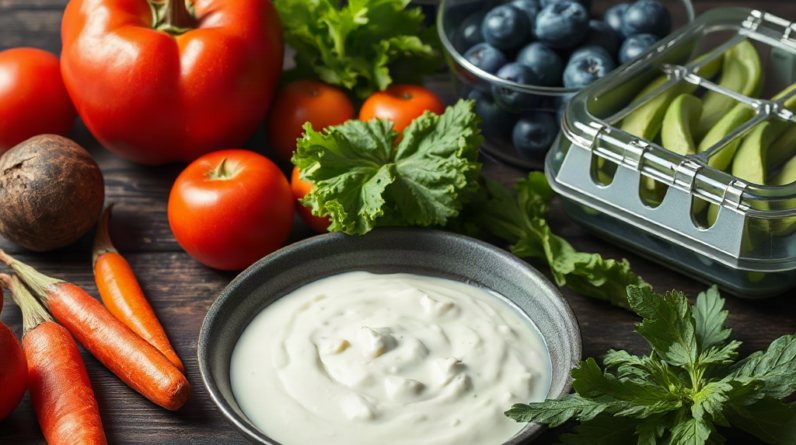
Incorporating a wide range of fruits and vegetables ensures you receive an assortment of vitamins, minerals, and antioxidants that can help prevent chronic diseases. Aim to fill half your plate with colorful produce at every meal to maximize nutrient intake and promote satiety.
Meal Planning Strategies
Effective meal planning is essential for maintaining a healthy diet. Start by creating a weekly menu that includes a balance of macronutrients—carbohydrates, proteins, and fats. Consider batch cooking to save time during the week, and prepare snacks in advance to avoid unhealthy choices when hunger strikes.
Utilizing grocery lists can help you stay focused while shopping, ensuring that you purchase the ingredients necessary for your planned meals. Additionally, experimenting with new recipes can keep your diet exciting and prevent boredom.
Common Dietary Mistakes
Many individuals unknowingly make dietary mistakes that can hinder their progress towards a healthier lifestyle. One common error is skipping meals, which can lead to overeating later in the day. Instead, aim for regular meals and snacks to keep your energy levels stable.
Another mistake is underestimating portion sizes, which can lead to excessive caloric intake. Familiarize yourself with appropriate serving sizes to help manage your portions effectively. Lastly, be cautious of hidden sugars in sauces, dressings, and snacks that can quickly add up and derail your health goals.
Mindful Eating Practices
Mindful eating involves paying attention to your food and the experience of eating. This practice can help you become more attuned to your hunger cues and prevent overeating. Start by eliminating distractions during meals, such as screens or multitasking, and focus on the flavors and textures of your food.
Taking the time to savor each bite can enhance your enjoyment of meals and lead to greater satisfaction. Additionally, practicing gratitude for your food can foster a positive relationship with eating and encourage healthier choices.
Good Health Solution is Easier Than Most People Think!
Take a Look for Yourself!
Further Reading
Authoritative Sources
- Whole Grains Council Grain Resources
wholegrainscouncil.orgPractical grain education covering whole grains, oats, milling context, and food-use guidance
- USDA FoodData Central Grain Nutrition Data
fdc.nal.usda.govUSDA food composition data useful for oats, flour, meal, and grain-based nutrition references
- USDA Agricultural Research Service
ars.usda.govAgricultural research resources related to grains, crops, processing, and food quality
Frequently Asked Questions
What are the key components of a healthy lifestyle food guide?
Key components include whole grains, lean proteins, healthy fats, and a variety of fruits and vegetables that provide essential nutrients.
How can I effectively plan my meals?
Create a weekly menu, batch cook meals, and prepare snacks in advance to maintain a balanced diet and save time.
What are common dietary mistakes to avoid?
Common mistakes include skipping meals, underestimating portion sizes, and consuming hidden sugars in processed foods.
What is mindful eating?
Mindful eating involves paying attention to your food and the experience of eating to enhance satisfaction and prevent overeating.
How can I incorporate more fruits and vegetables into my diet?
Fill half your plate with colorful produce at every meal and experiment with new recipes to make them more appealing.
Conclusion
In summary, a healthy lifestyle food guide is essential for anyone looking to improve their nutrition and overall well-being. Prioritizing nutrient-dense foods, effective meal planning, and mindful eating practices can significantly impact your health. Focus on avoiding common dietary mistakes and strive to create a balanced diet that incorporates a variety of food groups. By taking these steps, you can foster a healthier relationship with food and achieve your health goals.

Good Health Solution is Easier Than Most People Think!
Take a Look for Yourself!