


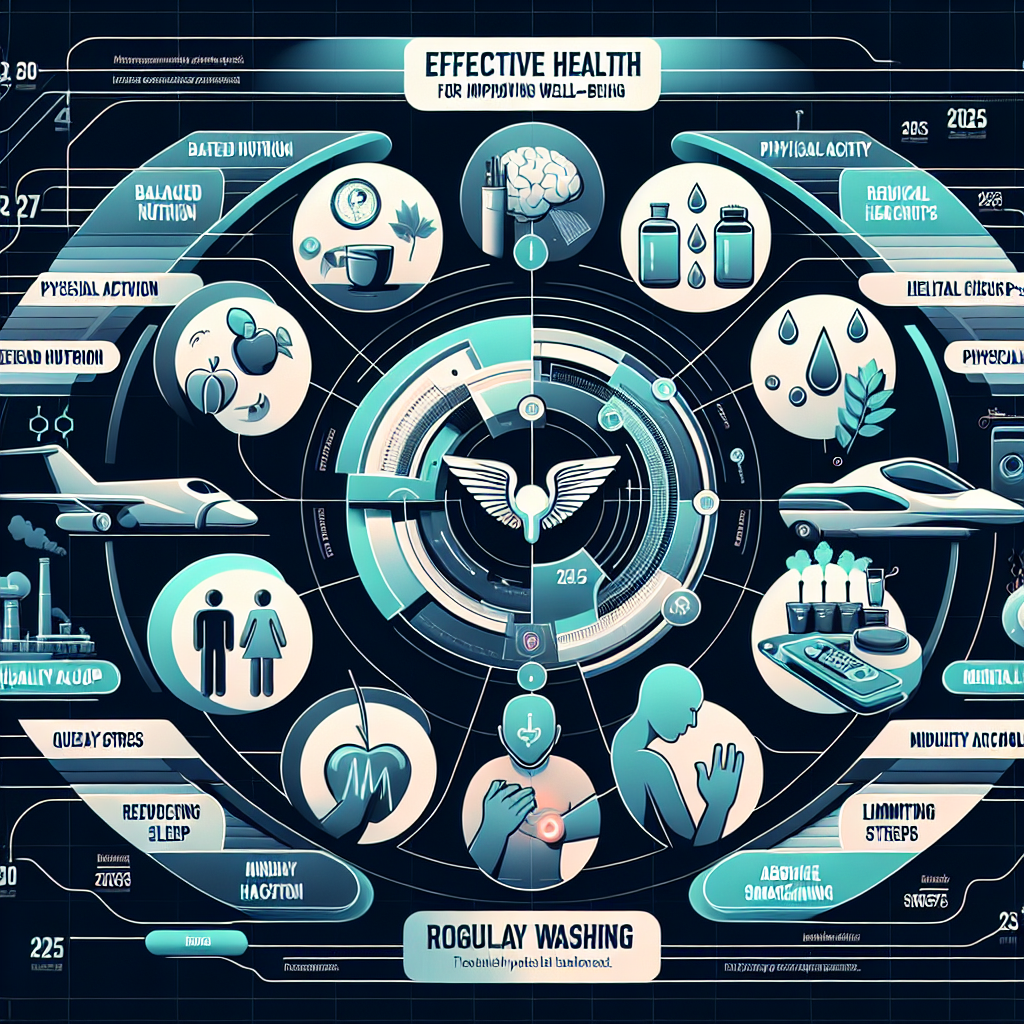
Integrating fruits, vegetables, whole grains, and lean proteins into your meals can significantly enhance overall health and energy levels.
Many individuals overlook the importance of diverse food intake, often leading to nutrient deficiencies. For instance, pairing proteins with carbohydrates can enhance nutrient absorption and provide sustained energy. Additionally, avoiding excessive processed foods is vital, as they often lack essential nutrients and contain unhealthy additives.
To enhance daily nutrition, incorporate whole foods, which are minimally processed and rich in nutrients. Whole foods, such as fruits, vegetables, nuts, seeds, and whole grains, provide essential vitamins and minerals that support bodily functions.
Incorporating Whole Foods
To enhance daily nutrition, it is essential to incorporate whole foods, which are minimally processed and rich in nutrients. Whole foods, such as fruits, vegetables, nuts, seeds, and whole grains, provide essential vitamins and minerals that support bodily functions. They also contain fiber, which aids digestion and promotes satiety.
When selecting whole foods, aim for a colorful variety. Different colors often indicate different nutrients; for example, leafy greens are high in vitamins A and K, while berries are rich in antioxidants. Prioritize seasonal produce for better taste and nutrition. A common pitfall is relying on convenience foods that lack these essential nutrients, which can lead to poor health outcomes.
Understanding Nutrient Density
Nutrient density refers to the amount of essential nutrients a food contains relative to its calorie content. Foods that are nutrient-dense, like spinach, quinoa, and salmon, provide more vitamins and minerals per calorie than less nutrient-dense options such as sugary snacks or processed meals. Focusing on nutrient-dense foods is a smart strategy to improve overall health.
To maximize nutrient intake, consider incorporating a variety of protein sources, such as beans, legumes, and lean meats, alongside whole grains like brown rice or barley. This combination not only enhances the nutritional profile of meals but also ensures a balanced intake of macronutrients. A common mistake is to overlook the importance of portion control, which can lead to consuming excess calories even from healthy foods.
Meal Planning Strategies
Effective meal planning is a critical component of improving daily nutrition. By planning meals and snacks ahead of time, individuals can make healthier choices and avoid impulse eating. Create a weekly menu that includes a variety of foods from all food groups to ensure balanced nutrition.
Consider batch cooking and preparing snacks in advance to save time during busy days. This strategy helps in avoiding reliance on fast food or unhealthy snacks. Additionally, using shopping lists based on your meal plans can reduce food waste and encourage the purchase of healthier options. Many people fail to stick to their meal plans due to a lack of variety, so it’s important to remain flexible and try new recipes regularly.
Hydration and Its Importance
Hydration plays a vital role in maintaining overall health and supporting bodily functions. Water is essential for digestion, nutrient absorption, and energy regulation. Aim for adequate fluid intake throughout the day, adjusting for factors like activity level and climate.
Incorporating hydrating foods, such as cucumbers, oranges, and watermelon, can also contribute to your daily fluid intake. A common mistake is neglecting hydration, especially during busy days, which can lead to fatigue and decreased cognitive function. Always keep a water bottle handy to encourage regular hydration.
Good Health Solution is Easier Than Most People Think!
Take a Look for Yourself!
Further Reading
Authoritative Sources
- NIH Office of Dietary Supplements
ods.od.nih.govEvidence-based information on vitamins, minerals, supplements, and nutrition-related questions
- USDA FoodData Central
fdc.nal.usda.govUSDA nutrient data for foods and ingredients used in nutrition decisions
- Harvard T.H. Chan School of Public Health Nutrition Source
hsph.harvard.eduPublic health nutrition guidance and educational resources
Frequently Asked Questions
What are some quick ways to improve daily nutrition?
Quick ways include adding more fruits and vegetables to your meals, choosing whole grains over refined ones, and staying hydrated throughout the day.
How does meal planning help with nutrition?
Meal planning helps by ensuring balanced meals, reducing impulse eating, and allowing for better control over ingredient choices and portion sizes.
What foods should I focus on for better nutrition?
Focus on whole foods such as fruits, vegetables, whole grains, lean proteins, and healthy fats to improve your nutrition.
Why is hydration important for nutrition?
Hydration is crucial as it aids digestion, nutrient absorption, and overall bodily functions, impacting energy levels and cognitive performance.
What common mistakes should I avoid?
Avoid relying too heavily on processed foods, neglecting hydration, and failing to plan meals, as these can lead to poor nutritional choices.
Conclusion
In summary, improving daily nutrition involves a multifaceted approach that emphasizes the incorporation of whole foods, understanding nutrient density, effective meal planning, and maintaining proper hydration. By focusing on these areas, individuals can significantly enhance their overall health and well-being. Prioritize diverse food choices, stay mindful of portion sizes, and remain consistent in your efforts. Start today by implementing small changes, and gradually build towards a healthier lifestyle.

Good Health Solution is Easier Than Most People Think!
Take a Look for Yourself!





