
It helps in avoiding impulsive food decisions that often lead to unhealthy eating habits. Moreover, meal planning supports budget management by reducing food waste and ensuring you only purchase what you need. Common pitfalls include neglecting to account for busy days or not having a variety of meals, which can lead to repetitive eating and loss of motivation.
Understanding Nutrient-Dense Foods
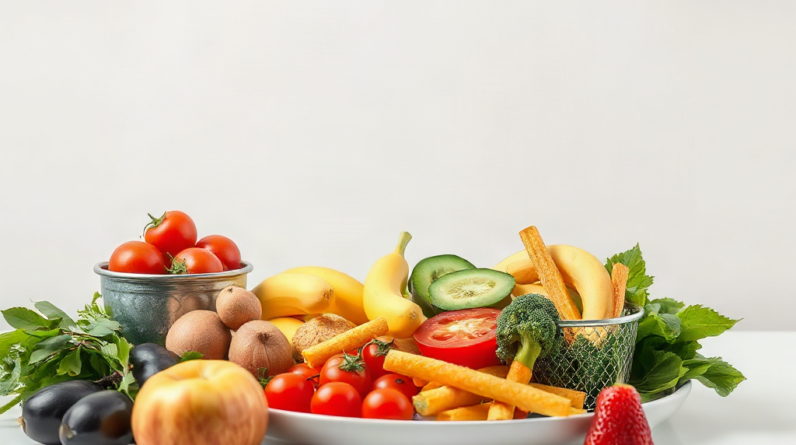
Nutrient-dense foods are those that provide a high amount of nutrients relative to their calorie content. Prioritizing these foods is critical for successful meal planning. Examples include whole grains, lean proteins, fruits, and vegetables. Incorporating a variety of these foods ensures a well-rounded diet.
When selecting ingredients, consider seasonal produce for freshness and flavor. Additionally, whole foods such as legumes, nuts, and seeds can be excellent sources of protein and healthy fats. A common mistake is relying too heavily on processed foods, which often contain added sugars and unhealthy fats that can undermine health goals.
Creating a Weekly Menu
A well-structured weekly menu helps streamline the cooking process and ensures you have all necessary ingredients on hand. Start by outlining meals for breakfast, lunch, and dinner, incorporating a variety of proteins, grains, and vegetables.
To create an effective menu, consider planning meals that use similar ingredients to minimize waste. For instance, if you buy spinach, plan to use it in salads, omelets, and smoothies throughout the week. This not only saves money but also keeps meals interesting. Additionally, consider themes for each night, such as Meatless Monday or Taco Tuesday, to add excitement to your meal planning.
Meal Prep Techniques
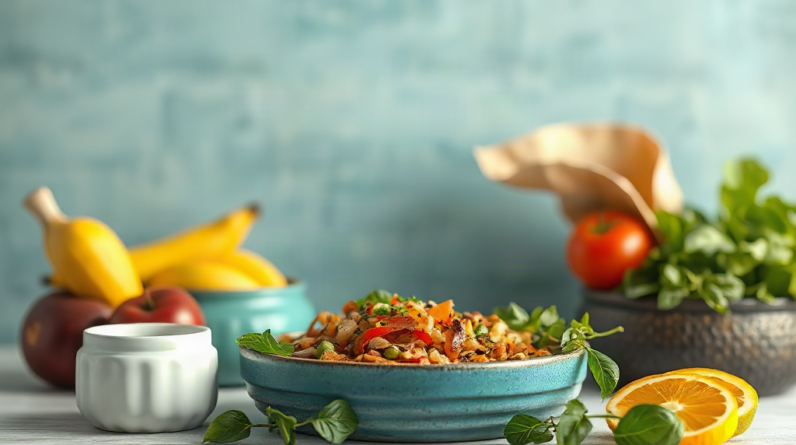
Meal prep involves preparing meals or components of meals in advance to save time during the week. This can include batch cooking grains, roasting vegetables, or portioning out snacks. These techniques make it easier to stick to your meal plan and reduce the temptation to order takeout.
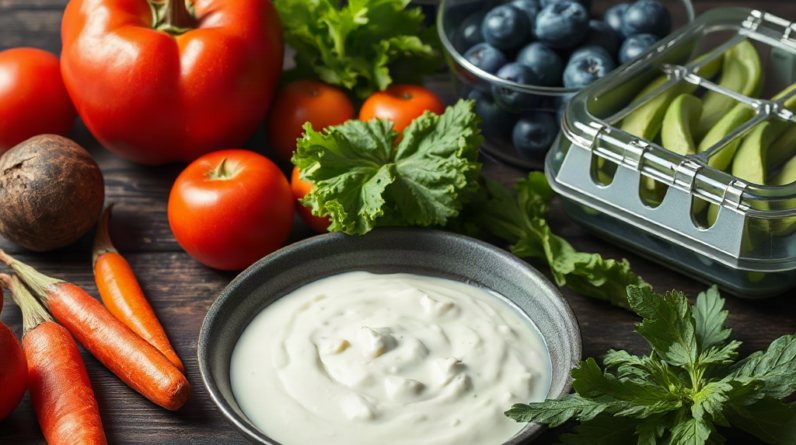
One effective method is to dedicate a few hours on the weekend for meal prep. During this time, you can cook large portions of proteins and grains, chop vegetables, and store them in convenient containers. This preparation not only saves time but also enhances your ability to make healthier choices when you’re busy.
Avoiding Common Meal Planning Mistakes
While meal planning can be an effective way to maintain a healthy diet, there are common mistakes to avoid. One such mistake is failing to account for unexpected schedule changes, which can lead to wasted food if you have not planned for flexibility.
Another pitfall is neglecting to include snacks or quick meal options for days when time is tight. Incorporating easy-to-prepare meals or healthy snacks into your plan can alleviate stress and keep you on track. Lastly, remember to periodically review and adjust your meal plan to keep it aligned with your evolving preferences and nutritional needs.
Good Health Solution is Easier Than Most People Think!
Take a Look for Yourself!
Further Reading
Authoritative Sources
- Library of Congress Research Guides
guides.loc.govResearch guides that help readers locate reliable background sources on a wide range of subjects
- USA.gov Official Information and Services
usa.govOfficial U.S. government information and public resources for practical reference
- Google Scholar
scholar.google.comAcademic search resource for finding research literature and source material
Frequently Asked Questions
What is the first step in planning healthy meals at home?
The first step is selecting nutrient-dense foods to include in your meals, ensuring a balanced diet.
How can I create a balanced weekly menu?
Start by outlining meals that include a variety of proteins, grains, and vegetables, focusing on using similar ingredients to minimize waste.
What are some effective meal prep techniques?
Batch cooking, roasting vegetables, and portioning snacks can save time and help maintain a healthy diet throughout the week.
How can I avoid wasting food during meal planning?
Plan meals that use similar ingredients and be flexible to adjust plans based on your schedule to minimize food waste.
What should I do if my schedule changes unexpectedly?
Incorporate quick meal options and snacks into your plan to accommodate busy days without compromising your healthy eating goals.
Conclusion
In summary, planning healthy meals at home requires a thoughtful approach to selecting ingredients, creating a structured menu, and utilizing effective meal prep techniques. By prioritizing nutrient-dense foods and being strategic about your cooking, you can enhance your overall health and ensure that your meals are both enjoyable and nutritious. Remember to remain flexible in your planning to adapt to changing schedules and maintain variety in your meals. Start by implementing these strategies today to take control of your nutrition and enjoy the benefits of home-cooked meals.

Good Health Solution is Easier Than Most People Think!
Take a Look for Yourself!