By focusing on these elements, individuals can enhance their energy levels, improve their mood, and reduce the risk of chronic diseases.
These foods provide essential nutrients that support bodily functions and overall health. Additionally, proper hydration is vital, as it aids digestion, absorption of nutrients, and overall bodily functions.
When planning meals, prioritize incorporating a variety of these foods to ensure a broad spectrum of nutrients. These foods not only support bodily functions but also help maintain a healthy weight.
Understanding Nutrient-Dense Foods
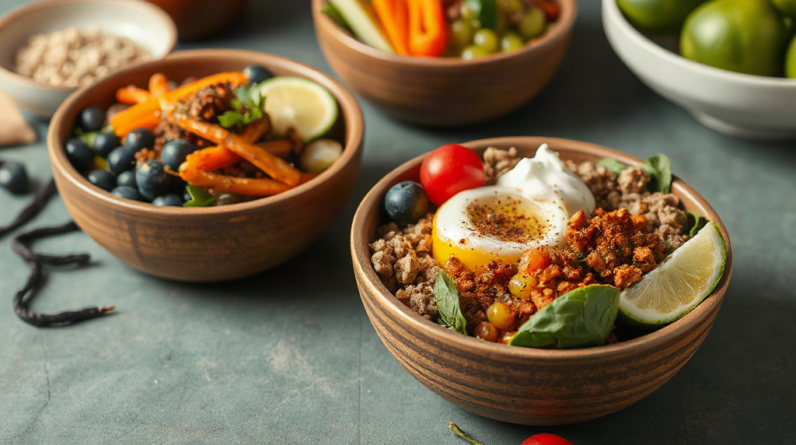
Nutrient-dense foods are those that provide a high amount of vitamins, minerals, and other beneficial nutrients relative to their calorie content. Examples include leafy greens, berries, nuts, and seeds. These foods not only support bodily functions but also help maintain a healthy weight.
When planning meals, prioritize incorporating a variety of these foods to ensure a broad spectrum of nutrients. Many people underestimate the importance of diversity in their diet, leading to gaps in essential vitamins and minerals. For instance, a diet lacking in fruits and vegetables can result in deficiencies that affect energy levels and immune function.
The Role of Hydration in Nutrition
Hydration plays a critical role in healthy living and nutrition, as water is essential for nearly every bodily function. It aids in digestion, nutrient absorption, and temperature regulation.
Many people overlook their hydration needs, often mistaking thirst for hunger. To improve hydration, aim for at least eight 8-ounce glasses of water daily, adjusting for activity level and climate. Additionally, incorporating hydrating foods such as cucumbers, oranges, and soups can enhance overall fluid intake.
Incorporating Physical Activity
Regular physical activity is a cornerstone of healthy living, complementing nutrition by improving cardiovascular health, strengthening muscles, and enhancing mental well-being. Aim for at least 150 minutes of moderate aerobic activity or 75 minutes of vigorous activity each week.
Finding enjoyable activities can increase adherence to an exercise routine. Whether it’s dancing, hiking, or cycling, the key is to stay active consistently. Neglecting physical activity can lead to health issues such as obesity, heart disease, and decreased mental health.
Common Mistakes in Healthy Living
Many individuals fall into common traps that hinder their healthy living efforts. One significant mistake is relying too heavily on processed foods, which can lead to excessive calorie intake and poor nutrient quality.
Another common pitfall is skipping meals, which can result in overeating later. Instead, aim for regular meals and snacks that include a balance of macronutrients—carbohydrates, proteins, and fats. Being aware of these mistakes can help individuals make more informed choices in their pursuit of a healthier lifestyle.
Good Health Solution is Easier Than Most People Think!
Take a Look for Yourself!
For additional insights on healthy living and nutrition, consider exploring reputable sources such as the U.S. Department of Agriculture’s MyPlate, which offers personalized guidance on balanced eating.
Further Reading
Authoritative Sources
- NIH Office of Dietary Supplements
ods.od.nih.govEvidence-based information on vitamins, minerals, supplements, and nutrition-related questions
- USDA FoodData Central
fdc.nal.usda.govUSDA nutrient data for foods and ingredients used in nutrition decisions
- Harvard T.H. Chan School of Public Health Nutrition Source
hsph.harvard.eduPublic health nutrition guidance and educational resources
Frequently Asked Questions
What are the key components of healthy living?
The key components include a balanced diet rich in whole foods, regular physical activity, and proper hydration.
How can I improve my nutrition?
Improving nutrition involves incorporating a variety of nutrient-dense foods and minimizing processed food intake.
Why is hydration important?
Hydration is crucial for digestion, nutrient absorption, and overall bodily functions.
What are common mistakes in nutrition?
Common mistakes include relying on processed foods and skipping meals, which can lead to poor health outcomes.
How much exercise should I get weekly?
Aim for at least 150 minutes of moderate aerobic activity or 75 minutes of vigorous activity each week.
Conclusion
Embracing healthy living and nutrition is a lifelong commitment that involves making informed dietary choices, staying active, and prioritizing hydration. Focus on incorporating a variety of whole foods into your meals and maintaining regular physical activity to enhance your overall well-being. Avoid common pitfalls such as processed food reliance and meal skipping to achieve lasting health benefits. By prioritizing these elements, you can foster a healthier lifestyle that promotes both physical and mental wellness.

Good Health Solution is Easier Than Most People Think!
Take a Look for Yourself!