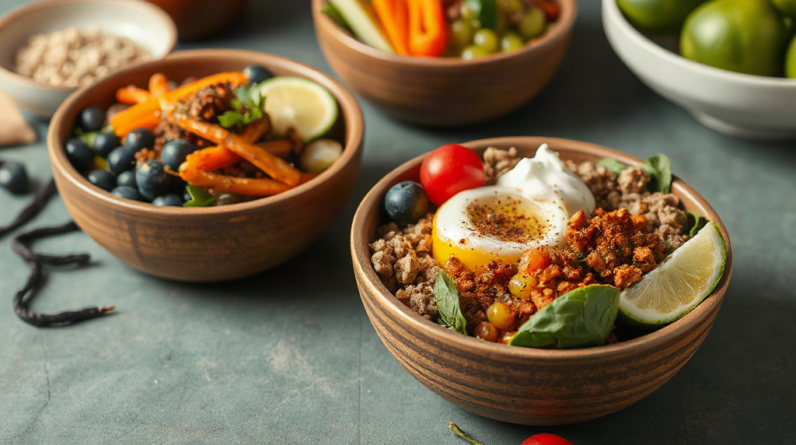

Many individuals struggle with nutrition due to overwhelming information and conflicting dietary advice. A common pitfall is relying on processed foods, which often contain high levels of sugar, sodium, and unhealthy fats. Instead, focusing on whole foods not only provides essential nutrients but also supports energy levels throughout the day. Meal planning and preparation can help mitigate the temptation to choose unhealthy options.
Moreover, it’s essential to recognize that everyone’s nutritional needs can vary based on factors like age, activity level, and health conditions. What works for one person may not work for another. This is why tailoring your nutrition strategy to fit your unique lifestyle and preferences is crucial. Understanding how to balance macronutrients and micronutrients can lead to better health outcomes.
Understanding Nutrient Density
Nutrient density refers to the amount of essential nutrients per calorie in a food. Foods that are high in nutrient density provide a wealth of vitamins, minerals, and other beneficial compounds without excessive calories. Examples include leafy greens, berries, nuts, and seeds. Incorporating these foods into your diet can improve overall health.
Many people overlook the importance of choosing nutrient-dense options, often opting for calorie-dense but nutrient-poor foods. This can lead to deficiencies and energy crashes. To enhance your meals, focus on adding a variety of colors and textures, which generally indicates a broader range of nutrients. For instance, pairing a green salad with colorful vegetables boosts its nutrient profile significantly.
Additionally, consider how cooking methods can affect nutrient density. Steaming or lightly sautéing vegetables can preserve more nutrients compared to boiling, which may leach vitamins into the water. Prioritizing cooking methods that retain nutrients is an essential part of practical nutrition.
Meal Timing and Its Impact
Meal timing is crucial for optimizing energy levels and nutrient absorption. Eating regular meals and snacks helps maintain stable blood sugar levels and prevents energy dips. It’s advisable to eat smaller, more frequent meals rather than large portions, which can lead to sluggishness.
Many individuals make the mistake of skipping meals, thinking it will aid in weight loss. However, this can backfire, leading to overeating later. A balanced approach that includes a mix of carbohydrates, proteins, and fats at each meal can sustain energy levels throughout the day. For example, pairing whole grain toast with avocado and an egg provides a balanced meal rich in various nutrients.
Moreover, consider your activity levels when planning meals. Consuming carbohydrates before a workout can provide the necessary energy, while protein afterward aids in recovery. Understanding your body’s needs based on activity can significantly enhance your nutrition strategy.
Common Mistakes in Nutrition
One of the most frequent mistakes people make is not reading food labels. Many processed foods are marketed as healthy but can contain hidden sugars and unhealthy fats. Learning to read labels can help you make informed choices and avoid unnecessary additives.
Another common pitfall is falling for fad diets that promise quick results. These often lack essential nutrients and can lead to yo-yo dieting, which is detrimental to long-term health. Instead, focusing on a balanced diet with a variety of foods is more sustainable and effective.
Additionally, many overlook the importance of hydration. Dehydration can lead to fatigue and hinder physical performance. Aim to drink adequate water throughout the day, especially when consuming high-protein or high-fiber foods, which require more water for digestion.
Good Health Solution is Easier Than Most People Think!
Take a Look for Yourself!
Practical Strategies for Healthy Eating
Implementing practical nutrition tips can be straightforward with the right strategies. Start by planning your meals for the week. This helps ensure you have all the necessary ingredients on hand and reduces the likelihood of resorting to fast food.
Batch cooking is another effective strategy that allows you to prepare meals in advance. Cook large portions of healthy meals and freeze them in individual servings. This way, you have quick, nutritious options available when time is short.
Finally, keep healthy snacks accessible. Nuts, fruits, and yogurt are excellent choices that can stave off hunger between meals. This not only helps maintain energy levels but also prevents unhealthy snacking on processed foods.
Further Reading
Authoritative Sources
- ChooseMyPlate.gov
choosemyplate.govA government resource providing guidelines on balanced eating and meal planning
- Eat Right
eatright.orgOffers expert advice on nutrition and health from registered dietitians
- Nutrition.gov
nutrition.govA comprehensive resource for nutrition information and guidelines
Frequently Asked Questions
What are practical nutrition tips for beginners?
Start by incorporating more whole foods into your diet, paying attention to portion sizes, and planning meals ahead of time.
How can I improve my energy levels through nutrition?
Focus on balanced meals with a mix of carbohydrates, proteins, and healthy fats while staying hydrated.
What should I avoid in my diet?
Avoid processed foods high in added sugars, unhealthy fats, and sodium.
How important is meal timing?
Meal timing is crucial for maintaining stable energy levels; aim for regular meals and snacks throughout the day.
What are some easy healthy snacks?
Healthy snacks include fruits, nuts, yogurt, and vegetables with hummus.
Conclusion
In summary, practical nutrition tips revolve around making informed food choices that enhance energy and overall wellness. By focusing on nutrient-dense foods, understanding meal timing, and avoiding common dietary pitfalls, you can create a sustainable eating pattern that supports your health goals. Start by planning your meals, incorporating variety, and staying hydrated to make the most of your nutritional efforts.

Good Health Solution is Easier Than Most People Think!
Take a Look for Yourself!