To successfully create and maintain these habits, it is essential to recognize the importance of gradual change. Rather than overhauling your diet overnight, focus on making small, manageable adjustments that can lead to lasting results. For instance, start by incorporating an extra serving of vegetables into your meals or swapping out sugary snacks for healthier options. This approach not only makes the transition easier but also helps in developing a more positive relationship with food.
A common mistake people make is to view healthy eating as a temporary phase rather than a permanent lifestyle change. This mindset can lead to yo-yo dieting and frustration. Instead, consider your food choices as part of a broader commitment to overall wellness. Emphasizing balance, variety, and moderation is key. Understanding that occasional indulgences are acceptable can help you sustain your healthy food habits over the long term.
Understanding Balanced Nutrition
Balanced nutrition is the cornerstone of creating healthy food habits. It involves consuming a variety of foods that provide essential nutrients your body needs to function optimally. Key components of balanced nutrition include macronutrients—proteins, fats, and carbohydrates—as well as micronutrients like vitamins and minerals. Each plays a critical role in maintaining health, energy levels, and overall well-being.
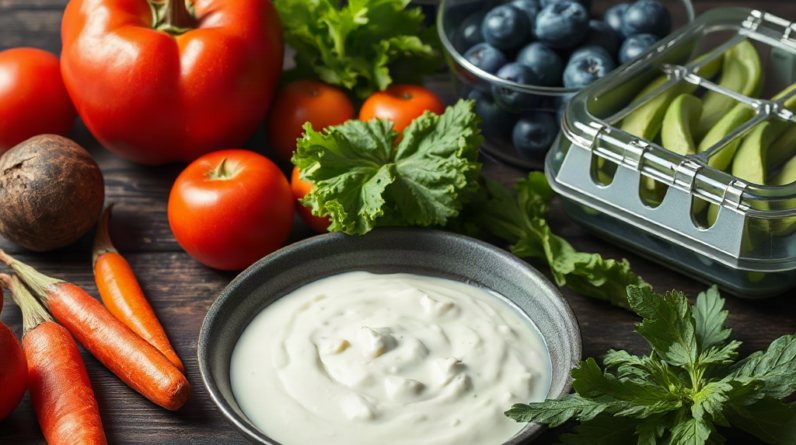
Incorporating a range of food groups into your diet ensures that you get the necessary nutrients. For example, lean proteins support muscle health, while whole grains provide sustained energy. Fruits and vegetables are vital for their vitamins and antioxidants, which help combat disease. To create a balanced plate, aim to fill half your plate with fruits and vegetables, one-quarter with lean proteins, and one-quarter with whole grains.
Many individuals overlook the importance of hydration in their nutritional habits. Water is essential for digestion, nutrient absorption, and overall health. Aim for at least eight 8-ounce glasses of water daily, adjusting for your activity level and climate. Additionally, be mindful of portion sizes. Understanding serving sizes can help prevent overeating and maintain a healthy weight.
Mindful Eating Practices
Mindful eating is a powerful practice that enhances your relationship with food. It encourages awareness of your eating habits, helping you recognize hunger and fullness cues. Instead of eating mindlessly while distracted, such as in front of a screen, take the time to savor each bite. This practice can improve your enjoyment of food and help prevent overeating.
To practice mindful eating, start by slowing down your meal pace. Chew thoroughly and appreciate the flavors and textures of your food. Additionally, consider keeping a food journal to track what you eat and how you feel after meals. This can help identify patterns, such as emotional eating triggered by stress or boredom.
Another key aspect of mindful eating is acknowledging your emotions around food. Many people eat in response to stress or emotional triggers rather than physical hunger. Recognizing these patterns allows you to develop healthier coping mechanisms, such as engaging in physical activity or practicing relaxation techniques instead of turning to food.
Meal Planning Strategies
Effective meal planning is a crucial step in creating healthy food habits. It not only saves time but also helps in making informed food choices. Start by dedicating a specific time each week to plan your meals. Consider your schedule and choose recipes that fit your available time and cooking skills.
When planning meals, aim for variety to prevent monotony and ensure a range of nutrients. Create a shopping list based on your meal plan to avoid impulse purchases and stick to healthier options. Batch cooking can also be a time-saver; prepare larger portions of meals that can be easily reheated throughout the week.
Don’t forget to include snacks in your meal plan. Healthy snacks can help maintain energy levels and prevent overeating at meal times. Opt for nutrient-dense options such as nuts, yogurt, or fresh fruit. By having healthy snacks on hand, you’re less likely to reach for processed foods when hunger strikes.
Common Mistakes to Avoid
As you embark on creating healthy food habits, be aware of common mistakes that could hinder your progress. One frequent pitfall is the tendency to eliminate entire food groups in an attempt to eat healthier. This approach can lead to nutrient deficiencies and feelings of deprivation, making it harder to stick to your new habits.
Good Health Solution is Easier Than Most People Think!
Take a Look for Yourself!
Another mistake is setting unrealistic expectations. Many people desire rapid results, leading to disappointment and potential relapse into old habits. Instead, focus on gradual changes and celebrate small victories along the way. Set achievable goals, such as cooking at home a certain number of times each week or trying a new healthy recipe.
Lastly, neglecting to seek support can make the journey more challenging. Share your goals with friends or family members who can provide encouragement. Consider joining a community group focused on healthy eating for additional motivation and accountability.
Further Reading
Authoritative Sources
- Choose MyPlate
choosemyplate.govThis resource provides practical information on building a healthy diet based on the latest dietary guidelines
- Academy of Nutrition and Dietetics
eatright.orgA comprehensive source for nutrition information and tips from registered dietitians
- Nutrition.gov
nutrition.govOffers valuable resources and tools for making informed food choices and understanding nutrition
- CDC Nutrition
cdc.govProvides guidelines and statistics on nutrition and healthy eating habits
Frequently Asked Questions
What are some easy ways to start creating healthy food habits?
Begin by gradually incorporating more fruits and vegetables into your meals, practicing portion control, and planning your meals ahead of time.
How can I avoid emotional eating?
Identify triggers that lead to emotional eating and develop alternative coping strategies, such as physical activity or mindfulness practices.
What role does meal planning play in healthy eating?
Meal planning helps you make informed choices, saves time, and ensures you have healthy options readily available, reducing the temptation of convenience foods.
How important is hydration in maintaining healthy food habits?
Staying hydrated is crucial as it supports digestion, nutrient absorption, and overall health, helping you to recognize true hunger versus thirst.
Can I enjoy treats while maintaining healthy food habits?
Yes, moderation is key. Allowing occasional treats can prevent feelings of deprivation and help sustain your healthy habits long-term.
Conclusion
Creating healthy food habits is a lifelong journey that requires commitment, patience, and flexibility. Focus on understanding balanced nutrition, practicing mindful eating, and implementing effective meal planning strategies. Avoid common pitfalls such as emotional eating and unrealistic expectations. Remember, small changes can lead to significant results over time. By prioritizing your health and making informed choices, you can cultivate a sustainable approach to eating that enhances your overall well-being.

Good Health Solution is Easier Than Most People Think!
Take a Look for Yourself!