
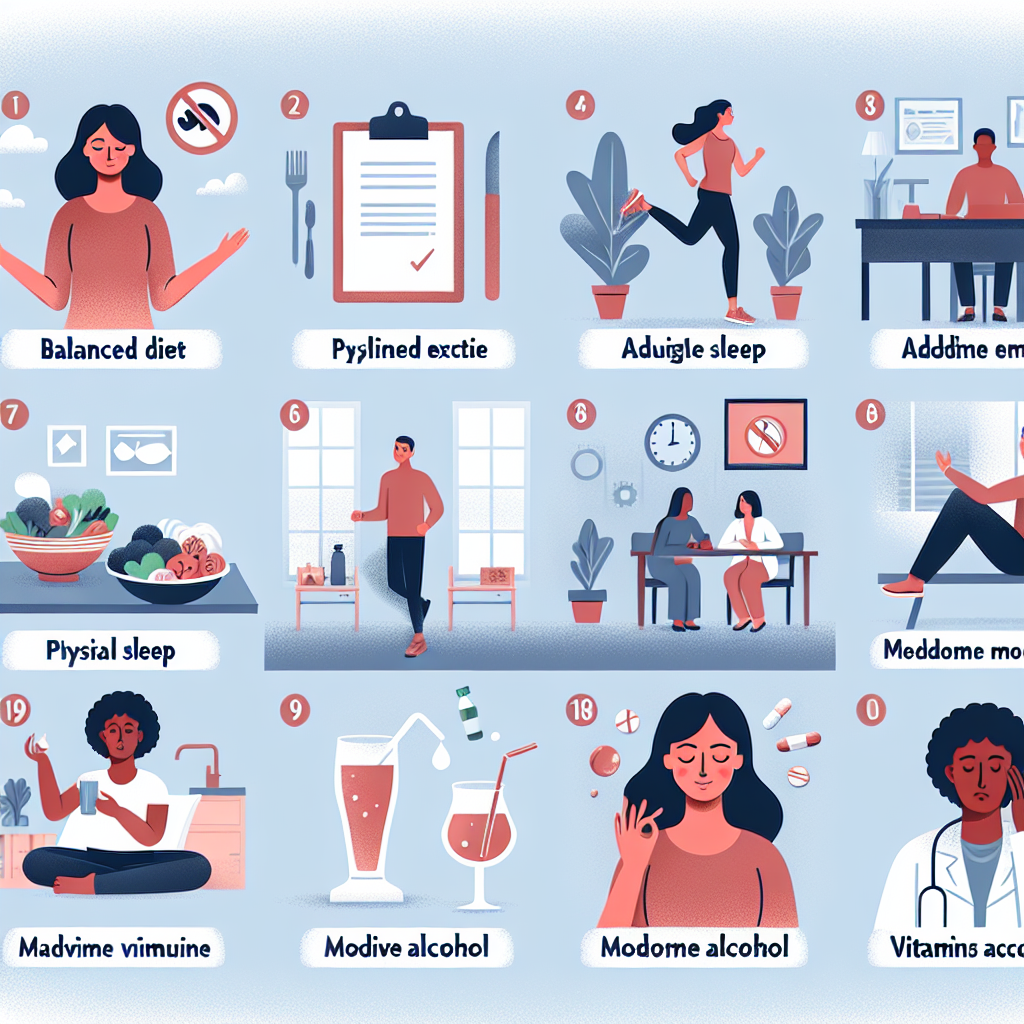
Making informed choices about nutrition can significantly impact energy levels, mood, and long-term health outcomes. Many individuals struggle with the overwhelming amount of dietary advice and trends. However, a practical approach emphasizes understanding the food you consume, recognizing portion sizes, and developing habits that fit your lifestyle. Common mistakes include neglecting whole foods for processed options and failing to plan meals, leading to unhealthy choices.
It’s essential to recognize that nutrition is not a one-size-fits-all approach. Individual needs can vary based on age, activity level, and health conditions. Therefore, prioritizing whole foods, maintaining hydration, and being mindful of food choices can greatly enhance your quality of life. Additionally, understanding how to read food labels and the importance of meal timing can help you make better decisions.
Understanding Macronutrients and Micronutrients
Macronutrients include carbohydrates, proteins, and fats, while micronutrients refer to vitamins and minerals. Each plays a critical role in maintaining health. Carbohydrates provide energy, proteins are essential for tissue repair and muscle building, and fats support cellular function and hormone production. Micronutrients, although needed in smaller amounts, are vital for numerous bodily functions.
To maintain a balanced diet, it’s important to understand how these nutrients contribute to your overall health. For example, a diet lacking in protein can lead to muscle loss, while insufficient vitamins can impair immune function. Identifying nutrient-dense foods that fit into your daily meals can help ensure you meet your nutritional needs without excess calories.
A common pitfall is focusing solely on macronutrients while neglecting micronutrient intake. This oversight can lead to deficiencies, impacting overall well-being. Prioritizing a variety of colorful fruits and vegetables can help cover your micronutrient bases effectively.
The Importance of Whole Foods
Whole foods are minimally processed and retain their natural nutrients. Incorporating a variety of whole foods into your diet is essential for optimal nutrition. These foods include fruits, vegetables, whole grains, legumes, nuts, and seeds. They provide essential nutrients that support bodily functions and overall health.
Many people fall into the trap of relying on processed foods that are often high in sugar, unhealthy fats, and additives. While convenient, these foods can lead to poor health outcomes over time. Transitioning to a whole food-based diet can improve energy levels, enhance mood, and support long-term health.
It’s crucial to approach this transition gradually. Start by replacing one processed item with a whole food alternative each week. This strategy helps build sustainable habits without feeling overwhelmed.
Meal Planning for Success
Meal planning is a practical strategy that can simplify the process of maintaining a balanced diet. By preparing meals in advance, you can ensure you have healthy options readily available, reducing the temptation to opt for quick, unhealthy choices. Planning your meals allows you to control portions and incorporate a variety of nutrients.
Effective meal planning involves considering your weekly schedule, dietary preferences, and nutritional goals. Allocate time to prepare ingredients and cook meals that can be stored for later use. This approach not only saves time but also encourages mindful eating as you are more likely to enjoy meals you’ve prepared.
A common mistake in meal planning is overcomplicating the process. Start small by planning just a few meals each week and gradually increase as you become more comfortable. Focus on simple recipes that utilize seasonal ingredients for the best flavor and nutrition.
Good Health Solution is Easier Than Most People Think!
Take a Look for Yourself!
Mindful Eating Practices
Mindful eating involves being fully present during meals and paying attention to hunger cues, food textures, and flavors. This practice can help cultivate a healthier relationship with food and prevent overeating. By slowing down and savoring your meals, you can enhance satisfaction and make more conscious choices.
Many individuals eat out of habit or distraction, often leading to unintentional overeating. Incorporating mindful eating techniques can help you reconnect with your body’s signals and improve digestion. Techniques include eliminating distractions, such as screens, and focusing on the sensory experience of eating.
Common pitfalls include eating too quickly or while multitasking. To practice mindful eating effectively, set aside dedicated time for meals and engage with your food. This shift in perspective can lead to healthier eating habits and improved overall satisfaction.
Further Reading
Authoritative Sources
- Choose MyPlate
choosemyplate.govThis resource provides practical guidelines for balanced nutrition and meal planning
- Academy of Nutrition and Dietetics
eatright.orgA comprehensive resource for nutrition information, tips, and expert advice
- U.S. Department of Health and Human Services
health.govOffers guidelines and resources on healthy eating and lifestyle choices
Frequently Asked Questions
What are macronutrients?
Macronutrients are nutrients required in larger amounts, including carbohydrates, proteins, and fats, which provide energy and support bodily functions.
How can I start eating more whole foods?
Begin by gradually replacing processed foods with whole food alternatives, such as fruits, vegetables, whole grains, and lean proteins.
What is meal planning?
Meal planning is the process of preparing meals in advance to ensure balanced nutrition and reduce the temptation of unhealthy choices.
Why is mindful eating important?
Mindful eating helps improve your relationship with food, enhances satisfaction, and can prevent overeating by encouraging awareness of hunger cues.
How can I ensure I’m getting enough micronutrients?
Incorporate a variety of colorful fruits and vegetables into your diet, as they provide essential vitamins and minerals necessary for health.
Conclusion
Incorporating nutrition for everyday living into your routine is essential for maintaining health and well-being. By understanding macronutrients and micronutrients, prioritizing whole foods, planning meals, and practicing mindful eating, you can create a sustainable nutritional lifestyle. Start by making small, manageable changes, focusing on whole food choices, and being mindful during meals. These steps will lead to improved energy levels, satisfaction, and overall health. Remember, the goal is to establish lasting habits that support your wellness journey.

Good Health Solution is Easier Than Most People Think!
Take a Look for Yourself!