Understanding the components of a nutritious diet is crucial. Many people mistakenly believe that dietary changes must be drastic or complicated. However, small, consistent adjustments can lead to significant improvements. Start by assessing your current eating habits and identify areas for enhancement. For instance, aim to replace sugary snacks with whole foods like nuts or fruits, which provide sustained energy and essential nutrients.
Another common pitfall is the neglect of hydration. Often overlooked, proper hydration is fundamental to maintaining energy levels and supporting metabolic processes. Aim to drink adequate water throughout the day, and consider incorporating hydrating foods, such as cucumbers and watermelon, into your meals. Balancing hydration with nutritious food choices is essential for optimizing daily nutrition.
Incorporating Whole Foods
Whole foods are unprocessed or minimally processed foods that retain their natural nutrients. Examples include fruits, vegetables, whole grains, nuts, and seeds. These foods are essential for a balanced diet as they provide necessary vitamins, minerals, and fiber.
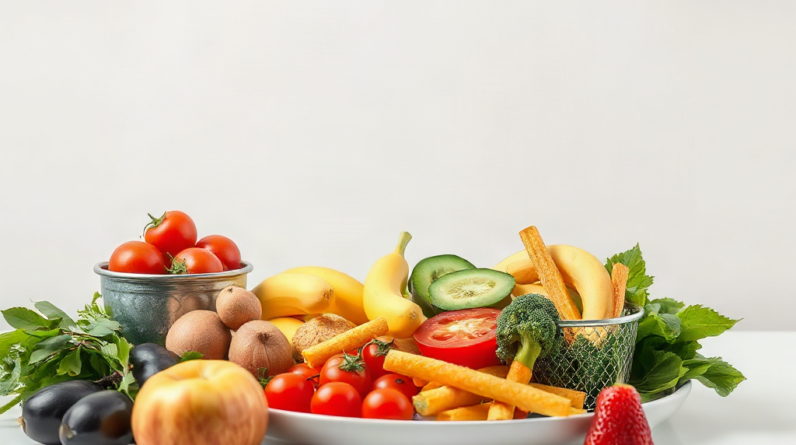
When integrating whole foods into your diet, prioritize variety. Different colors and types of fruits and vegetables offer a range of nutrients. For example, leafy greens are rich in iron, while orange vegetables provide beta-carotene. Focus on including a rainbow of produce in your meals to optimize nutrient intake.
It’s also important to be mindful of portion sizes and meal composition. Overloading on even healthy foods can lead to imbalances. Aim for a plate that includes half vegetables, a quarter protein, and a quarter whole grains to ensure a balanced intake.
Meal Planning Strategies
Effective meal planning can significantly enhance your nutrition. By preparing meals in advance, you can ensure that healthy options are readily available and minimize the temptation to choose convenience foods.
Start by dedicating a few hours each week to plan your meals. Create a shopping list based on your planned recipes and stick to it to avoid impulse purchases of unhealthy items. Batch cooking can also save time; prepare larger portions of healthy meals that can be stored and reheated throughout the week.
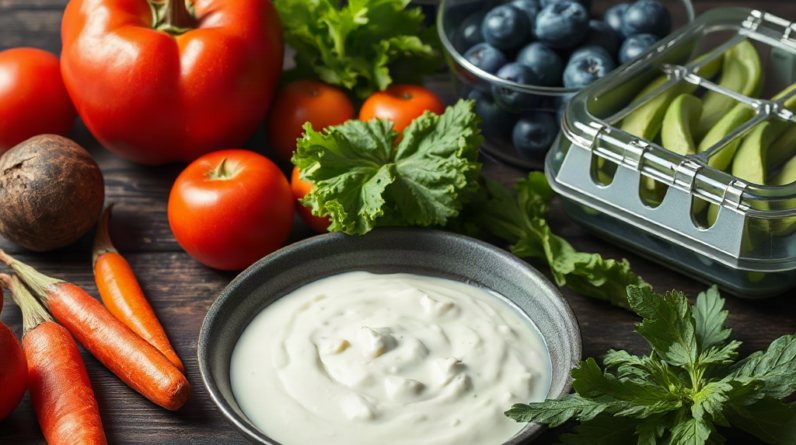
Consider using tools like meal prep containers to portion out meals and snacks. This not only helps control serving sizes but also makes healthy eating easier when you’re busy. Prioritize planning meals that can be easily adapted to leftover ingredients to reduce waste and save money.
Mindful Eating Practices
Mindful eating focuses on being present during meals and understanding your body’s hunger cues. This practice can prevent overeating and enhance your relationship with food.
To practice mindful eating, eliminate distractions during meals, such as watching TV or scrolling through your phone. Instead, focus on the flavors, textures, and aromas of your food. Chew slowly and savor each bite, which can lead to greater satisfaction and help you recognize when you are full.
Additionally, consider keeping a food journal to track what you eat and how it makes you feel. This can provide insights into your eating habits and highlight areas for improvement. Being aware of your emotional responses to food can also help you make healthier choices in the future.
Hydration Importance
Hydration plays a crucial role in daily nutrition, affecting everything from energy levels to digestion. Many people underestimate the importance of drinking enough water throughout the day.
Good Health Solution is Easier Than Most People Think!
Take a Look for Yourself!
To ensure adequate hydration, aim to drink water regularly, even when you’re not thirsty. Carry a reusable water bottle to remind yourself to hydrate. Foods like cucumbers, oranges, and yogurt can also contribute to your daily fluid intake.
Remember that hydration needs can vary based on activity level, climate, and individual health. If you exercise or spend time outdoors, increase your water intake accordingly, and consider electrolytes if engaging in prolonged physical activity.
Further Reading
For readers seeking more information on ways to improve daily nutrition, authoritative resources can provide valuable insights into dietary choices and health benefits.
Authoritative Sources
- Choose MyPlate
choosemyplate.govThis resource offers practical guidelines for building a healthy plate and understanding portion sizes
- Academy of Nutrition and Dietetics
eatright.orgA comprehensive source for nutrition information, including meal planning and healthy eating tips
- Nutrition.gov
nutrition.govThis site provides access to a wealth of nutrition resources, including dietary guidelines and recipes
- CDC Nutrition
cdc.govInformation on nutrition's role in public health and strategies for improving dietary habits
Frequently Asked Questions
What are the best foods to include in my daily nutrition?
Focus on whole foods like fruits, vegetables, whole grains, lean proteins, and healthy fats for optimal nutrition.
How can I stay motivated to improve my nutrition?
Set realistic goals, track your progress, and celebrate small achievements to maintain motivation.
Is it necessary to count calories for better nutrition?
While calorie counting can help some individuals, focusing on nutrient-dense foods is often more beneficial for overall health.
What role does hydration play in nutrition?
Hydration is vital for digestion, energy levels, and overall health; aim to drink enough water throughout the day.
How can I make healthy eating more convenient?
Meal prepping, using healthy snacks, and planning meals in advance can make it easier to maintain healthy eating habits.
Conclusion
Improving daily nutrition is achievable through simple yet effective strategies. By incorporating whole foods, planning meals, practicing mindful eating, and prioritizing hydration, individuals can enhance their overall well-being. Start by making small changes today, and gradually build a sustainable, nutritious diet that supports your health goals. Remember, consistency is key to long-term success in nutrition.

Good Health Solution is Easier Than Most People Think!
Take a Look for Yourself!