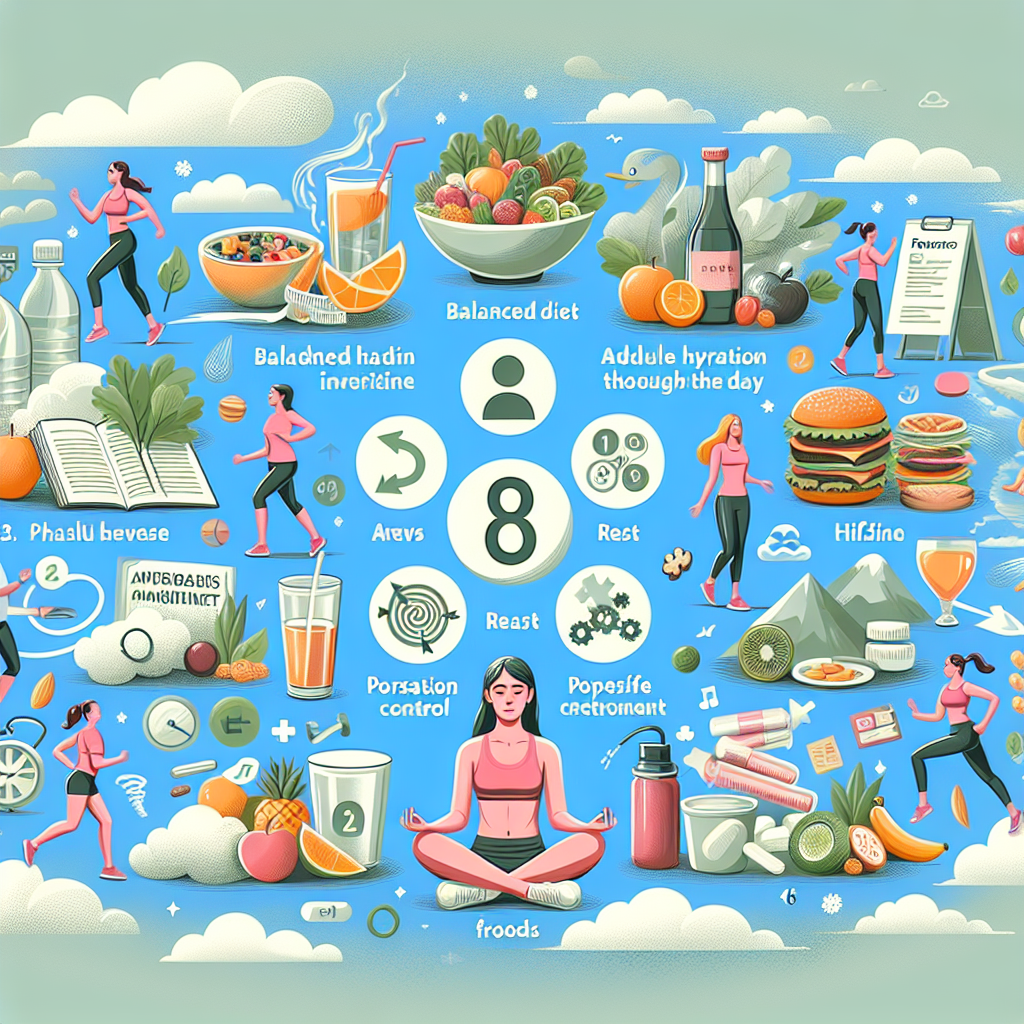
Understanding the specific nutrients that contribute to bodily fuel can help you make informed dietary choices. For instance, complex carbohydrates from whole grains offer sustained energy, while proteins from sources like fish, poultry, and legumes are crucial for muscle repair and growth. Healthy fats, such as those found in avocados and nuts, support cellular health and hormone production. Recognizing the balance of these macronutrients and micronutrients is essential for achieving optimal health.
A common mistake many people make is relying on processed foods that may provide quick energy but lack essential nutrients. This can lead to energy crashes and decreased performance. Instead, focusing on whole, unprocessed foods can provide a steady stream of energy and improve overall health. Prioritizing nutrient-dense foods over empty-calorie options should be a key consideration in your dietary choices.
The Role of Macronutrients in Fueling the Body
Macronutrients—carbohydrates, proteins, and fats—are the primary sources of energy for the body. Carbohydrates serve as the main fuel source, especially during high-intensity activities, while proteins are essential for recovery and muscle building. Fats, although often misunderstood, provide a concentrated source of energy and are vital for hormone production.
Incorporating a balanced mix of these macronutrients in your diet is crucial. For example, athletes often benefit from a higher carbohydrate intake to sustain energy during prolonged exercise. Conversely, those aiming for weight loss may focus on a higher protein intake to promote satiety and muscle retention. Understanding your specific energy needs based on activity levels can help you tailor your macronutrient intake effectively.
Many individuals overlook the importance of healthy fats, mistakenly fearing them due to their calorie density. However, including sources of omega-3 and omega-6 fatty acids, such as fatty fish and flaxseeds, can support heart health and cognitive function. Prioritizing a balanced intake of macronutrients is essential for maintaining energy and overall health.
Micronutrients: The Unsung Heroes
Micronutrients, including vitamins and minerals, play crucial roles in energy production and overall health. While they do not provide energy directly, they are essential for metabolic processes that convert food into usable energy. Deficiencies in these micronutrients can lead to fatigue, decreased immunity, and impaired cognitive function.
For instance, B vitamins are vital for energy metabolism, while vitamin D is essential for bone health and immune function. Minerals like magnesium and iron are also critical; magnesium supports muscle function and energy production, while iron is necessary for oxygen transport in the blood. Ensuring a diverse diet rich in fruits and vegetables can help meet these micronutrient needs.
Many people fail to consume adequate amounts of micronutrients, often due to a lack of variety in their diets. Prioritizing colorful fruits and vegetables can enhance micronutrient intake significantly. Understanding the connection between micronutrients and energy levels can motivate individuals to diversify their diets.
Hydration: The Key to Optimal Performance
Hydration is often overlooked but is essential for maintaining energy levels and overall health. Water plays a critical role in digestion, nutrient absorption, and temperature regulation. Even mild dehydration can impair physical performance, cognitive function, and mood.
The amount of water needed varies based on activity level, climate, and individual health. A general guideline is to aim for at least eight 8-ounce glasses of water per day, but athletes may require more to compensate for fluid loss through sweat. Monitoring urine color can also be a helpful indicator of hydration status.
Many people underestimate their hydration needs, especially during exercise. It’s important to drink water before, during, and after physical activity to maintain optimal performance. Incorporating hydrating foods like fruits and vegetables can also contribute to overall fluid intake.
Common Mistakes in Nutrition
Despite the abundance of information available, many individuals make critical mistakes in their nutritional choices. One common error is relying heavily on processed foods, which can be high in sugars, unhealthy fats, and sodium while lacking essential nutrients. This can lead to energy spikes followed by crashes, negatively impacting performance.
Good Health Solution is Easier Than Most People Think!
Take a Look for Yourself!
Another mistake is neglecting meal timing. Consuming the right foods before and after exercise is essential for optimizing performance and recovery. Pre-workout meals should focus on easily digestible carbohydrates, while post-workout meals should include a combination of carbohydrates and protein to aid recovery.
Additionally, many people do not listen to their body’s hunger cues, leading to overeating or undereating. Developing an awareness of hunger and fullness signals can support healthier eating patterns. Recognizing these common pitfalls can empower individuals to make more informed dietary choices.
Further Reading
Authoritative Sources
- Nutrition and Athletic Performance
ncbi.nlm.nih.govThis resource provides a comprehensive overview of the role of nutrition in athletic performance, including macronutrient needs and hydration strategies
- Choose My Plate
choosemyplate.govA government resource offering guidelines for healthy eating patterns and the importance of nutrient balance
- Office of Dietary Supplements
ods.od.nih.govThis site provides detailed information on vitamins and minerals, including their health benefits and dietary sources
- CDC Nutrition
cdc.govThe CDC offers resources on the importance of nutrition for health and strategies to improve dietary choices
Frequently Asked Questions
What are the best foods that fuel the body?
Best foods include whole grains, lean proteins, healthy fats, fruits, and vegetables, which provide essential nutrients for energy and overall health.
How can I improve my energy levels through diet?
Improving energy levels can be achieved by consuming a balanced diet rich in complex carbohydrates, proteins, and healthy fats, while staying hydrated.
What role do micronutrients play in energy production?
Micronutrients are essential for metabolic processes that convert food into energy; deficiencies can lead to fatigue and decreased performance.
How much water should I drink daily?
A general guideline is to drink at least eight 8-ounce glasses of water daily, but individual needs may vary based on activity level and climate.
What are common mistakes in nutrition?
Common mistakes include relying on processed foods, neglecting meal timing, and not listening to hunger cues, which can impact energy and health.
Conclusion
In conclusion, selecting food that fuels the body is essential for maintaining energy levels, supporting physical performance, and enhancing overall health. Prioritizing a balanced intake of macronutrients and micronutrients, along with proper hydration, can significantly impact your energy and well-being. Avoiding common nutritional mistakes, such as relying on processed foods and neglecting meal timing, can further optimize your dietary choices. By making informed and conscious food selections, you can empower yourself to achieve better health and performance outcomes.

Good Health Solution is Easier Than Most People Think!
Take a Look for Yourself!