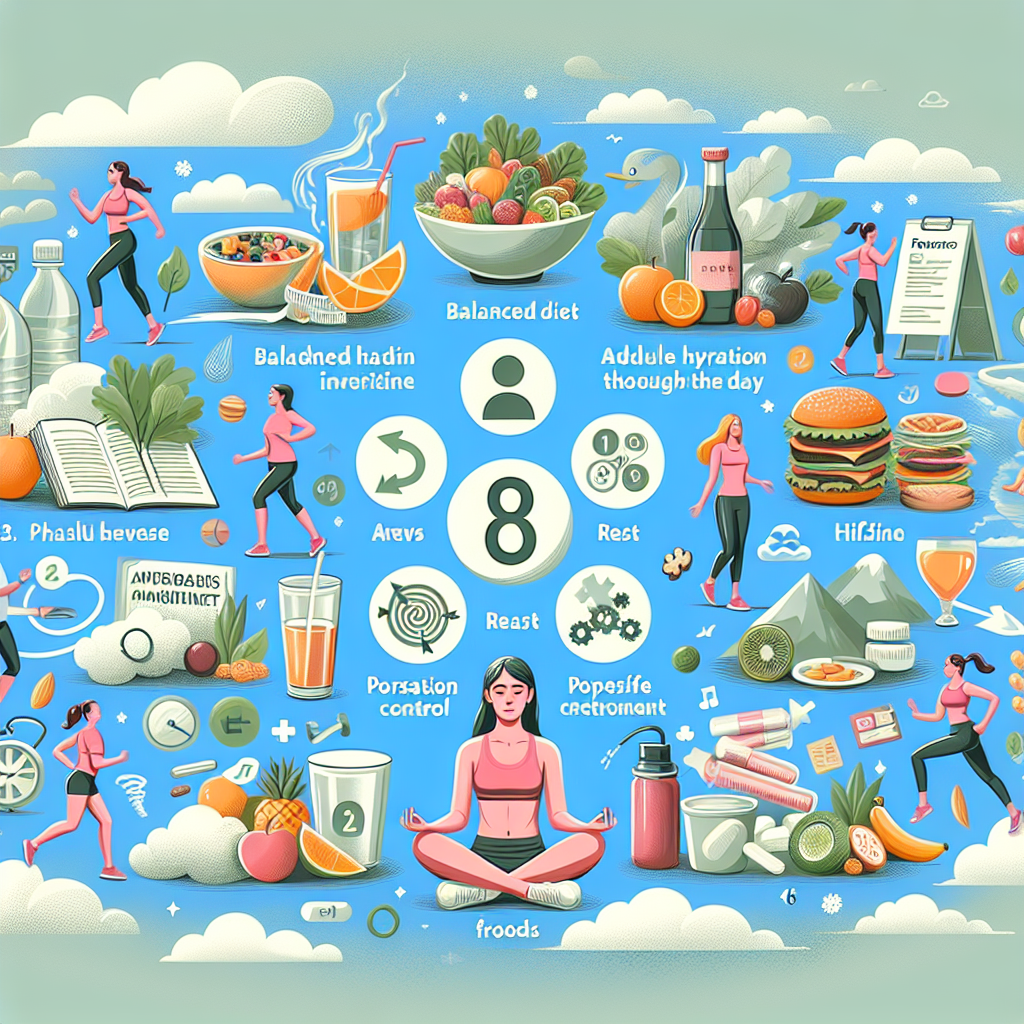
Implementing these practices requires understanding their importance in daily life. For example, maintaining a balanced diet rich in fruits, vegetables, whole grains, and lean proteins provides essential nutrients that fuel the body and support immune function. Moreover, regular physical activity, even in short bursts, can improve cardiovascular health and mental well-being. Neglecting these areas often leads to fatigue, stress, and increased susceptibility to illness.
Many people overlook the significance of mental health in their wellness journey. Stress management techniques, such as mindfulness and relaxation exercises, are crucial. Additionally, prioritizing sleep hygiene can dramatically affect mood and energy levels. Recognizing these interconnected aspects is key to achieving a holistic approach to healthy living.
Nutrition: The Foundation of Health
Nutrition is the cornerstone of healthy living. A well-rounded diet provides the necessary nutrients for bodily functions, energy, and overall health. Focusing on whole foods—such as fruits, vegetables, nuts, seeds, and lean proteins—can help mitigate the risk of chronic diseases.
Many individuals make the mistake of relying on processed foods, which often contain added sugars, unhealthy fats, and preservatives. These foods can lead to weight gain and health issues. Instead, meal planning and preparation can lead to healthier choices and better portion control.
Moreover, understanding the balance of macronutrients—carbohydrates, proteins, and fats—is vital. A common misconception is that all fats are bad; however, healthy fats from avocados, olive oil, and fish are essential for brain health. Prioritizing a diverse and balanced diet is a practical step towards long-term wellness.
Physical Activity: Moving Towards Wellness
Regular physical activity is essential for maintaining a healthy lifestyle. It not only helps in managing weight but also improves cardiovascular health and boosts mental clarity. Aim for at least 150 minutes of moderate-intensity exercise each week.
Many people struggle to incorporate exercise into their busy schedules. However, finding enjoyable activities—like dancing, hiking, or cycling—can make the process more engaging. Additionally, short bursts of activity, such as 10-minute walks, can be beneficial and easier to fit into daily routines.
It’s important to note that consistency is key. Setting realistic goals and tracking progress can help maintain motivation. Also, incorporating strength training at least twice a week can enhance muscle mass and bone density, which is crucial as we age.
Mental Health: The Unsung Hero
Mental health plays a critical role in overall well-being, yet it’s often overlooked in discussions about healthy living. Practices such as mindfulness, meditation, and journaling can significantly reduce stress and improve emotional resilience.
Many individuals underestimate the impact of mental health on physical health. Chronic stress can lead to various health issues, including heart disease and obesity. Implementing stress management techniques is essential for maintaining balance and promoting a healthier lifestyle.
Furthermore, social connections are vital for mental health. Engaging with friends and family can provide emotional support and foster a sense of belonging. Prioritizing mental wellness through self-care and open communication can create a strong foundation for a healthy lifestyle.
Good Health Solution is Easier Than Most People Think!
Take a Look for Yourself!
Sleep: The Cornerstone of Recovery
Quality sleep is often the most neglected aspect of healthy living. Sleep is essential for recovery, cognitive function, and emotional regulation. Adults should aim for 7-9 hours of quality sleep each night.
Common mistakes include irregular sleep schedules and excessive screen time before bed, which can disrupt the natural sleep cycle. Establishing a bedtime routine and creating a restful environment can enhance sleep quality.
Additionally, understanding the importance of sleep hygiene—such as limiting caffeine intake and creating a dark, quiet sleep space—can greatly improve sleep patterns. Prioritizing sleep is crucial for sustaining energy levels and overall health.
Further Reading
Authoritative Sources
- World Health Organization: Healthy Living
who.intProvides comprehensive guidelines on promoting healthy lifestyles globally
- Centers for Disease Control and Prevention: Healthy Weight
cdc.govOffers resources and strategies for maintaining a healthy weight through balanced living
- National Heart, Lung, and Blood Institute: Healthy Living
nhlbi.nih.govFocuses on heart health and the importance of lifestyle choices in preventing disease
Frequently Asked Questions
What are the main components of healthy living?
The main components include balanced nutrition, regular physical activity, mental health practices, and adequate sleep.
How can I improve my diet?
Focus on whole foods, plan meals ahead, and limit processed foods high in sugar and unhealthy fats.
What type of exercise should I do?
A mix of cardiovascular, strength training, and flexibility exercises is ideal for overall fitness.
How do I manage stress effectively?
Consider mindfulness techniques, regular physical activity, and maintaining social connections to manage stress.
Why is sleep important for health?
Quality sleep is essential for recovery, cognitive function, and overall emotional well-being.
Conclusion
Healthy living made simple revolves around integrating practical steps into daily life. By focusing on balanced nutrition, regular exercise, mental health, and sufficient sleep, individuals can significantly enhance their quality of life. Prioritize these components to create a sustainable approach to wellness that not only prevents chronic diseases but also promotes a fulfilling lifestyle.

Good Health Solution is Easier Than Most People Think!
Take a Look for Yourself!