
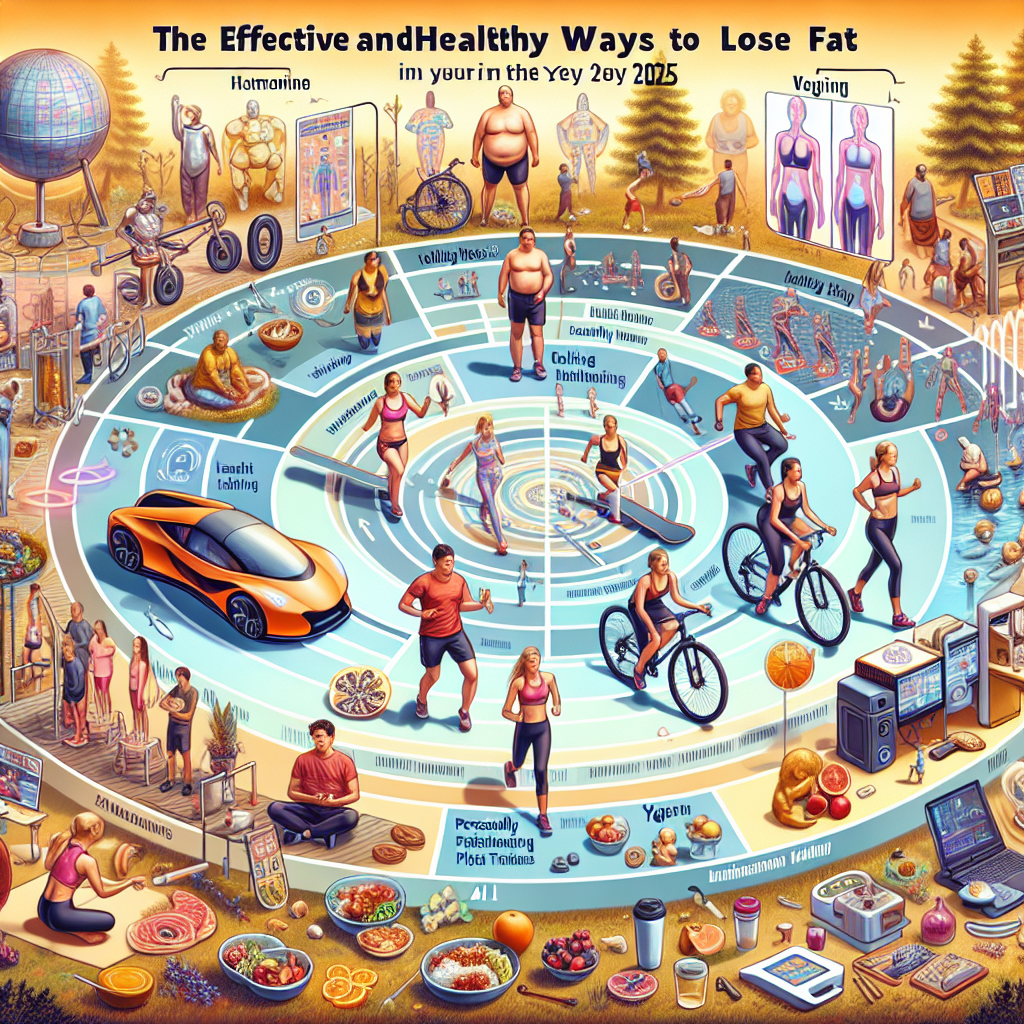
Understanding the interplay of these elements is crucial. For instance, while a balanced diet provides the necessary nutrients, physical activity boosts cardiovascular health and mental clarity. On the other hand, neglecting any aspect—like sleep or hydration—can lead to fatigue, decreased immunity, and chronic health issues. Making informed choices about food and lifestyle is vital for long-term health.
A common mistake individuals make is focusing solely on diet while ignoring the importance of physical and mental health. Stress management techniques, such as mindfulness and relaxation exercises, play a significant role in maintaining a healthy lifestyle. By integrating these practices, individuals can enhance their resilience against illnesses and improve their quality of life.
Nutritional Foundations for Health
A well-rounded diet is the cornerstone of staying healthy. Foods rich in vitamins, minerals, and antioxidants—such as leafy greens, berries, nuts, and whole grains—support immune function and overall vitality. Prioritizing whole foods over processed options can significantly reduce the risk of chronic diseases.
Choosing the right foods involves understanding their nutritional value. For example, incorporating a variety of colors on your plate often indicates a range of nutrients. Additionally, paying attention to portion sizes and meal timing can enhance metabolic health and energy levels. A common pitfall is relying on supplements instead of whole foods, which can lead to nutrient imbalances.
To maximize health benefits, focus on meal preparation. Cooking at home allows for better control over ingredients, promotes healthier choices, and can be a rewarding experience. Explore recipes that highlight seasonal produce to keep meals exciting and nutritious.
Importance of Regular Exercise
Regular physical activity is crucial for maintaining a healthy body and mind. Engaging in at least 150 minutes of moderate aerobic activity each week can help reduce the risk of heart disease, diabetes, and obesity. Additionally, strength training exercises twice a week can improve muscle mass and bone density.
Finding enjoyable activities is key to sustaining an exercise routine. Whether it’s dancing, hiking, or cycling, the goal is to keep moving. Incorporating activities into daily life, such as walking or using stairs instead of elevators, can also contribute to overall fitness. Many individuals underestimate the benefits of consistent movement, leading to sedentary lifestyles.
Prioritizing consistency over intensity can lead to better long-term results. Starting with manageable goals and gradually increasing activity levels can prevent burnout and injuries. Remember, the journey to fitness is personal—what works for one person may not suit another, so it’s essential to find a routine that fits your lifestyle.
Hydration and Its Effects
Staying hydrated is often overlooked in discussions about health, yet it is fundamental for every bodily function. Water aids digestion, nutrient absorption, and temperature regulation. Aim for at least 8 cups of water daily, adjusting for activity levels and climate.
Recognizing signs of dehydration, such as fatigue, headache, or dry skin, is important. Many people mistake thirst for hunger, leading to unnecessary snacking. Incorporating hydrating foods, like cucumbers, oranges, and soups, can enhance overall fluid intake.
To maintain hydration, consider carrying a reusable water bottle throughout the day. Set reminders to drink water regularly, especially during busy periods. By making hydration a priority, you can boost your physical performance and cognitive function.
Sleep: The Unsung Hero
Quality sleep is critical for health, yet it is often undervalued. Adults typically need 7-9 hours of sleep per night to function optimally. Sleep supports cognitive function, emotional regulation, and physical health, contributing to a stronger immune system.
Good Health Solution is Easier Than Most People Think!
Take a Look for Yourself!
Establishing a sleep routine can help improve sleep quality. This includes going to bed and waking up at the same time daily, creating a restful environment, and limiting screen time before bed. Many individuals overlook the impact of sleep on overall health, often prioritizing work or social activities over adequate rest.
To enhance sleep quality, consider relaxation techniques, such as reading or meditative practices before bedtime. Addressing sleep disturbances promptly can prevent long-term health issues, making it essential to prioritize sleep as a vital component of overall well-being.
Stress Management Techniques
Managing stress is crucial for maintaining health. Chronic stress can lead to various health problems, including heart disease, anxiety, and digestive issues. Incorporating stress management techniques, such as mindfulness, deep breathing, or yoga, can significantly improve mental health.
Identifying stressors in your life is the first step toward effective management. Once identified, explore healthy coping strategies that resonate with you. Avoiding unhealthy habits, such as excessive alcohol consumption or overeating, is essential to prevent stress from negatively impacting health.
Regularly practicing stress management techniques can lead to improved resilience and emotional well-being. Consider setting aside time each day for practices that promote relaxation and mental clarity, ensuring that stress management becomes a priority in your daily routine.
Further Reading
Authoritative Sources
- Healthy Diet
who.intThis source provides comprehensive guidelines on what constitutes a healthy diet and its impact on overall health
- Physical Activity Basics
cdc.govOffers insights into the importance of physical activity and recommendations for various age groups
- National Sleep Foundation
sleepfoundation.orgA valuable resource for understanding sleep's role in health and strategies for improving sleep quality
Frequently Asked Questions
What are the best foods for staying healthy?
Foods rich in vitamins, minerals, and antioxidants, such as fruits, vegetables, whole grains, and lean proteins, are best for maintaining health.
How much exercise do I need for optimal health?
Aim for at least 150 minutes of moderate aerobic exercise per week, along with strength training at least twice a week.
What are the signs of dehydration?
Common signs include fatigue, headache, dry skin, and dizziness. It’s crucial to drink water regularly to stay hydrated.
How can I improve my sleep quality?
Establish a consistent sleep schedule, create a restful environment, and limit screen time before bed to enhance sleep quality.
What are effective stress management techniques?
Mindfulness, deep breathing exercises, yoga, and regular physical activity are effective ways to manage stress.

Good Health Solution is Easier Than Most People Think!
Take a Look for Yourself!