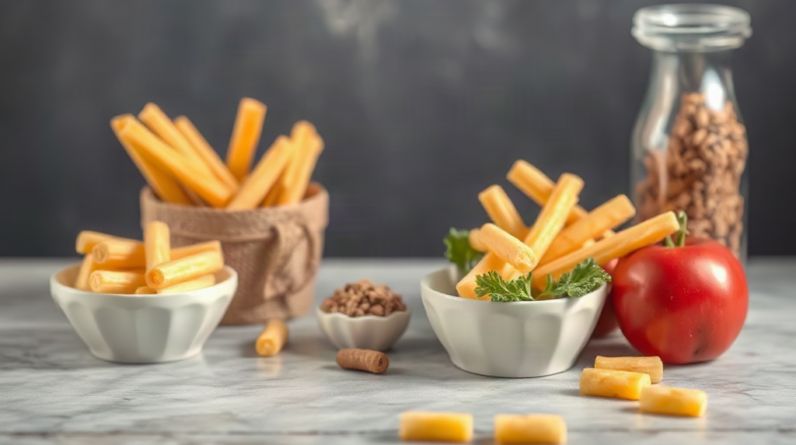

When implementing an anti-inflammatory lifestyle, it’s crucial to prioritize whole, unprocessed foods that provide essential nutrients and antioxidants. For instance, incorporating foods high in omega-3 fatty acids, like fatty fish and flaxseeds, can combat inflammation. Additionally, regular exercise not only helps maintain a healthy weight but also reduces stress and inflammation. Understanding how these elements interact is vital for creating a sustainable approach.
Many individuals overlook the impact of lifestyle factors such as sleep and stress on inflammation. Poor sleep quality and chronic stress can exacerbate inflammatory responses in the body. Therefore, establishing a consistent sleep schedule and integrating mindfulness practices can be just as important as dietary changes in managing inflammation effectively.
Essential Anti-Inflammatory Foods
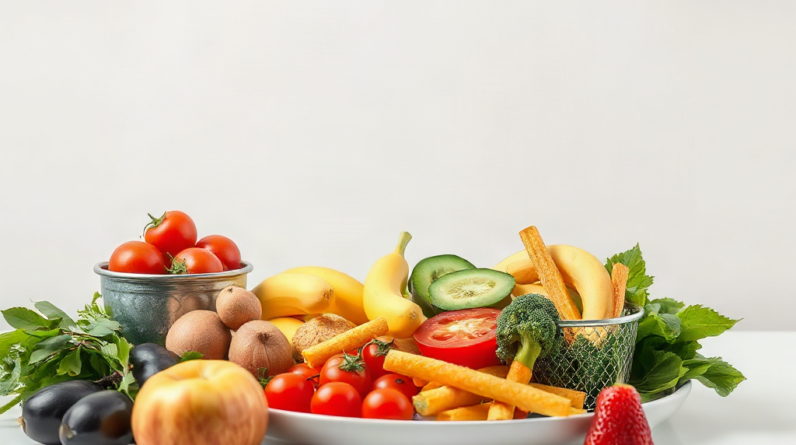
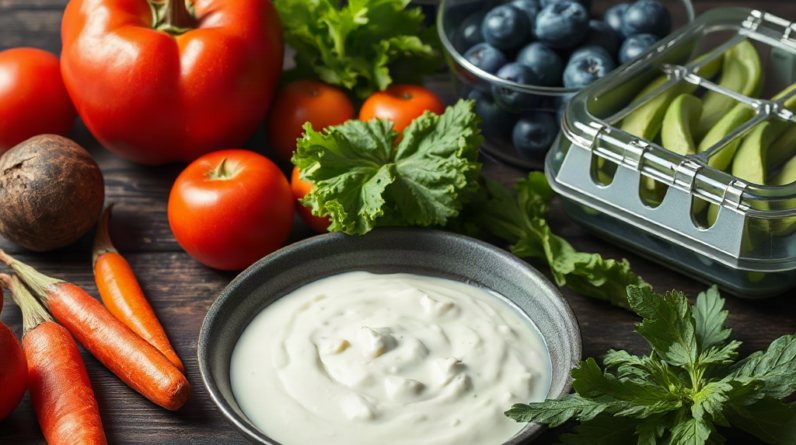
Incorporating specific anti-inflammatory foods into your diet is crucial for reducing inflammation. Foods rich in antioxidants, such as berries, dark leafy greens, and nuts, can combat oxidative stress in the body, which is a key contributor to inflammation.
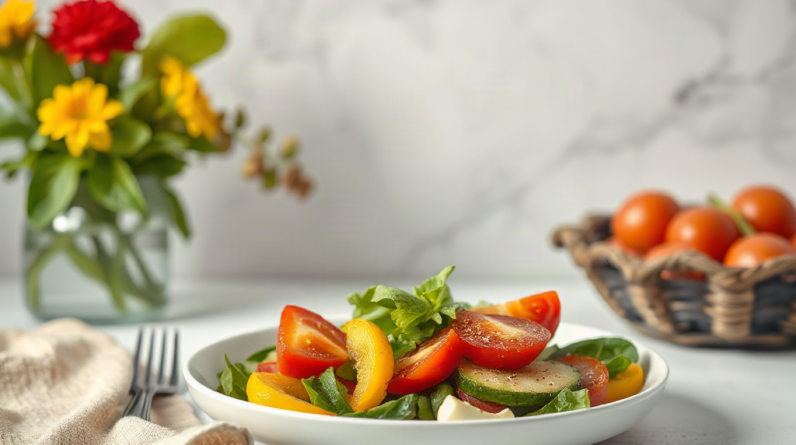
Moreover, healthy fats, particularly those found in olive oil, avocados, and fatty fish, provide essential omega-3 fatty acids that help regulate inflammatory processes. A balanced plate should include a variety of these foods, ensuring that you’re not only targeting inflammation but also supporting overall health.
One common mistake people make is relying heavily on processed foods that may contain hidden sugars and unhealthy fats, which can worsen inflammation. Prioritizing whole foods and being mindful of ingredients can lead to better health outcomes.
Daily Habits to Reduce Inflammation
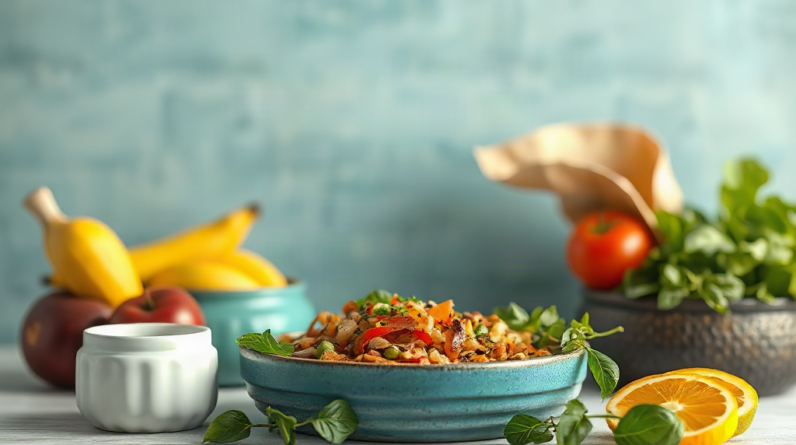
Establishing daily habits that promote an anti-inflammatory lifestyle is just as important as dietary choices. Regularly consuming meals rich in anti-inflammatory ingredients can help maintain lower inflammation levels and promote lasting health.
Additionally, staying hydrated and drinking plenty of water aids in flushing out toxins that can contribute to inflammation. Incorporating herbal teas, such as ginger or turmeric, can also provide additional anti-inflammatory benefits. Create a routine that includes these habits for the best results.
One often overlooked aspect is meal timing. Eating smaller, more frequent meals can help stabilize blood sugar levels, reducing inflammation spikes. This approach also helps maintain energy levels throughout the day.
The Role of Exercise
Regular physical activity is a cornerstone of an anti-inflammatory lifestyle. Exercise not only helps maintain a healthy weight but also promotes the release of endorphins, which can reduce the perception of pain and inflammation.
Engaging in a mix of aerobic and strength-training exercises can yield the best results. Aim for at least 150 minutes of moderate-intensity exercise each week, such as brisk walking, cycling, or swimming, to effectively lower inflammation levels.
However, it’s important to listen to your body. Overtraining can lead to increased inflammation and injury. Prioritize recovery days and consider integrating yoga or stretching into your routine to enhance flexibility and reduce stress.
Managing Stress for Better Health
Stress management plays a significant role in controlling inflammation. Chronic stress can lead to elevated levels of cortisol, which may exacerbate inflammatory responses in the body. Incorporating mindfulness practices, such as meditation or deep-breathing exercises, can help mitigate the effects of stress.
Good Health Solution is Easier Than Most People Think!
Take a Look for Yourself!
Engaging in activities that promote relaxation, such as spending time in nature, reading, or practicing hobbies, can also be beneficial. Establishing a daily routine that includes stress-reducing activities can significantly improve your overall well-being.
Common pitfalls include neglecting mental health in the pursuit of physical health. Recognizing the interplay between stress and inflammation is vital for achieving a holistic approach to health.
Further Reading
Authoritative Sources
- Anti-Inflammatory Diets
ncbi.nlm.nih.govThis source provides comprehensive insights into various diets that can help reduce inflammation
- Harvard Health: The Anti-Inflammatory Diet
health.harvard.eduHarvard Health offers valuable information on the principles of an anti-inflammatory diet
- Mayo Clinic: Anti-Inflammatory Diet
mayoclinic.orgThe Mayo Clinic discusses dietary approaches to reduce inflammation effectively
- CDC: Healthy Eating
cdc.govThe CDC outlines healthy eating practices that can contribute to overall wellness
Frequently Asked Questions
What are the best foods for reducing inflammation?
Foods rich in omega-3 fatty acids, such as salmon, walnuts, and flaxseeds, along with fruits, vegetables, and whole grains, are effective in reducing inflammation.
How can I manage stress to lower inflammation?
Practicing mindfulness techniques, such as meditation or yoga, and engaging in relaxing activities can significantly help manage stress and lower inflammation levels.
Is exercise important for reducing inflammation?
Yes, regular exercise can help reduce inflammation by maintaining a healthy weight and promoting the release of anti-inflammatory substances in the body.
Can sleep affect inflammation levels?
Poor sleep quality can increase inflammation, so ensuring adequate and restful sleep is crucial for managing inflammation effectively.
What lifestyle changes can I make to reduce inflammation?
Incorporating a balanced diet, regular exercise, effective stress management, and sufficient sleep are key lifestyle changes that can help reduce inflammation.
Conclusion
In conclusion, adopting an anti-inflammatory lifestyle through dietary choices, daily habits, exercise, and stress management is essential for reducing chronic inflammation. Prioritize whole foods rich in antioxidants and healthy fats, while also focusing on regular physical activity and effective stress reduction techniques. By making these changes, you can enhance your overall health and well-being, ultimately leading to a lower risk of chronic diseases linked to inflammation. Start small by integrating one or two changes into your routine and gradually build on them for lasting benefits.

Good Health Solution is Easier Than Most People Think!
Take a Look for Yourself!