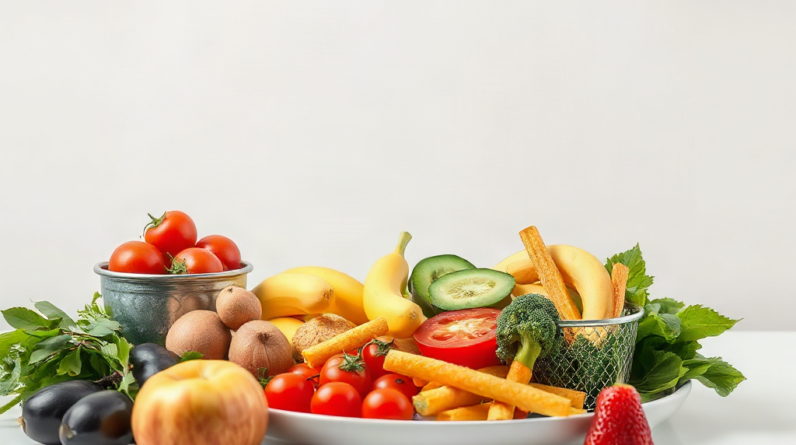

Many individuals underestimate the impact of their daily habits on inflammation. Consistent consumption of processed foods, refined sugars, and unhealthy fats can exacerbate inflammatory conditions. In contrast, prioritizing whole foods rich in omega-3 fatty acids, antioxidants, and fiber can help mitigate these effects. Understanding the sources of inflammation and making informed choices is essential for long-term health.
Moreover, chronic inflammation can be influenced by lifestyle factors such as sleep quality, stress levels, and physical activity. Regular exercise not only helps maintain a healthy weight but also reduces stress and enhances immune function, which can further decrease inflammation. Prioritizing restorative sleep and effective stress management techniques, such as mindfulness or yoga, can also play a significant role in combating inflammation.
Anti-Inflammatory Foods to Incorporate
Incorporating anti-inflammatory foods into your diet is one of the most effective ways to combat inflammation. Foods rich in omega-3 fatty acids, such as salmon, walnuts, and flaxseeds, are particularly beneficial. These foods help to reduce the production of inflammatory compounds in the body.
Additionally, fruits and vegetables, especially those high in antioxidants like berries, cherries, and leafy greens, can protect your body against oxidative stress, which contributes to inflammation. Whole grains, legumes, and spices like turmeric and ginger also have anti-inflammatory properties that can support overall health.
However, it’s not just about adding beneficial foods; it’s essential to replace inflammatory foods as well. Reducing intake of trans fats, refined carbohydrates, and added sugars will enhance the effectiveness of your dietary adjustments. Prioritizing whole, minimally processed foods will yield the best results.
Lifestyle Changes That Impact Inflammation
Beyond diet, lifestyle choices significantly influence inflammation levels. Regular physical activity is crucial, as it helps reduce body fat, which is a major contributor to inflammation. Aim for at least 150 minutes of moderate exercise each week, incorporating both aerobic and strength-training activities.
Moreover, managing stress through techniques such as meditation, deep breathing, and yoga can lower cortisol levels, which, when elevated, can lead to increased inflammation. Adequate sleep is also vital; aim for 7-9 hours per night to allow your body to recover and regulate inflammatory responses effectively.
It’s important to recognize that lifestyle changes may require time and consistency. Setting realistic goals and gradually integrating these changes can lead to sustainable improvements in inflammation levels and overall health.
Common Mistakes to Avoid
Many people inadvertently contribute to inflammation through common dietary and lifestyle mistakes. For instance, relying heavily on convenience foods that are high in sugars and unhealthy fats can negate the benefits of any positive dietary changes made. Additionally, neglecting hydration can lead to increased inflammation, as water is essential for cellular processes.
Another frequent oversight is underestimating the importance of portion control. Even healthy foods can contribute to inflammation if consumed in excessive amounts. Monitoring portion sizes and being mindful of total caloric intake can help maintain a healthy weight, further reducing inflammation.
Good Health Solution is Easier Than Most People Think!
Take a Look for Yourself!
Lastly, many individuals overlook the impact of chronic stress on inflammation. Regularly integrating stress-reduction techniques into your daily routine is essential for managing inflammation effectively.
Further Reading
For those looking to dive deeper into the topic of inflammation, consider exploring reputable sources that provide scientific insights and practical advice on managing inflammation through diet and lifestyle. The following resources may be beneficial:
Authoritative Sources
- The Role of Diet in Inflammation
ncbi.nlm.nih.govThis article discusses how certain dietary patterns can influence inflammation levels and overall health
- The Anti-Inflammatory Diet
health.harvard.eduThis resource outlines specific foods and dietary strategies that can help reduce inflammation
- Understanding Inflammation
mayoclinic.orgProvides insights into what inflammation is and how it affects health
Frequently Asked Questions
What are the best foods to reduce inflammation?
Foods rich in omega-3 fatty acids (like salmon), fruits and vegetables (especially berries and leafy greens), nuts, and whole grains are among the best for reducing inflammation.
How long does it take to see results from dietary changes?
Many people notice a reduction in inflammation symptoms within a few weeks of making significant dietary changes, but it can vary based on individual health conditions.
Can stress really affect inflammation levels?
Yes, chronic stress can lead to increased inflammation in the body by elevating cortisol levels, which can disrupt immune function.
Is exercise important for reducing inflammation?
Regular exercise is crucial as it helps maintain a healthy weight and reduces stress, both of which are important for managing inflammation.
What lifestyle changes can help reduce inflammation?
In addition to diet, incorporating regular physical activity, managing stress, and ensuring adequate sleep are essential lifestyle changes that can help reduce inflammation.
Conclusion
In summary, effective management of inflammation hinges on a combination of dietary choices and lifestyle modifications. Incorporating anti-inflammatory foods, engaging in regular physical activity, and prioritizing stress management can significantly improve overall health and well-being. As you embark on this journey, focus on gradual changes that fit your lifestyle, and remember that consistency is key to achieving lasting results.

Good Health Solution is Easier Than Most People Think!
Take a Look for Yourself!