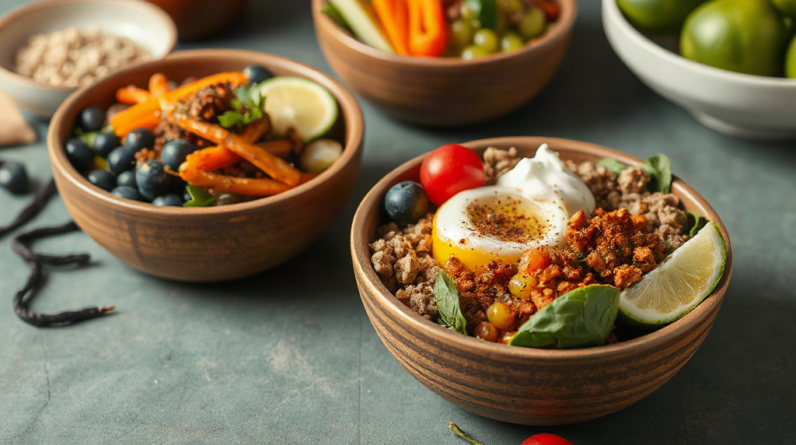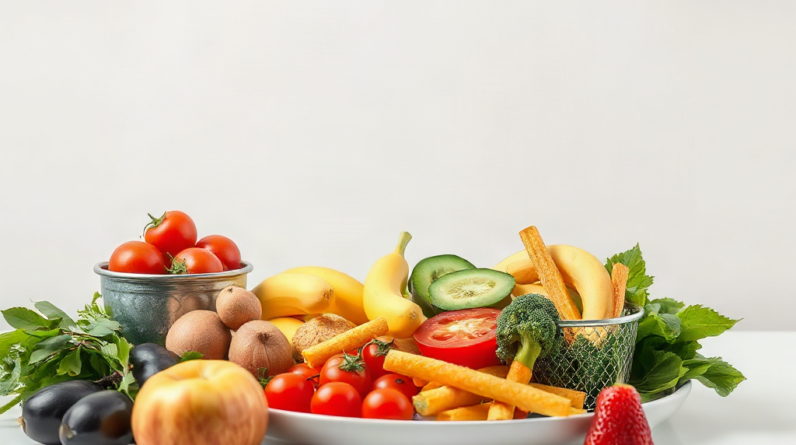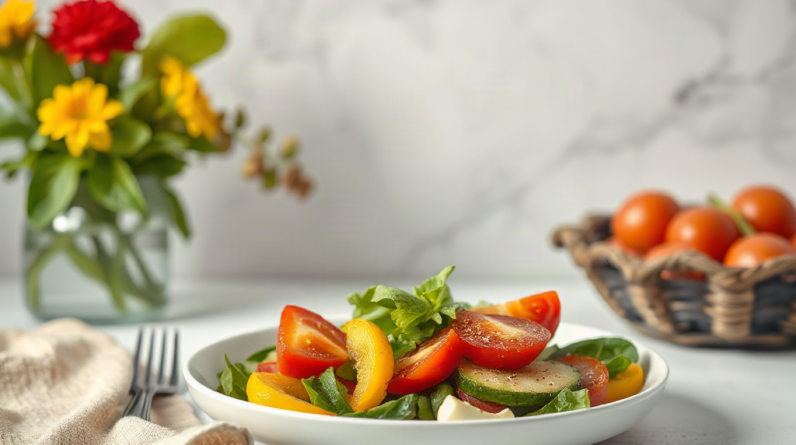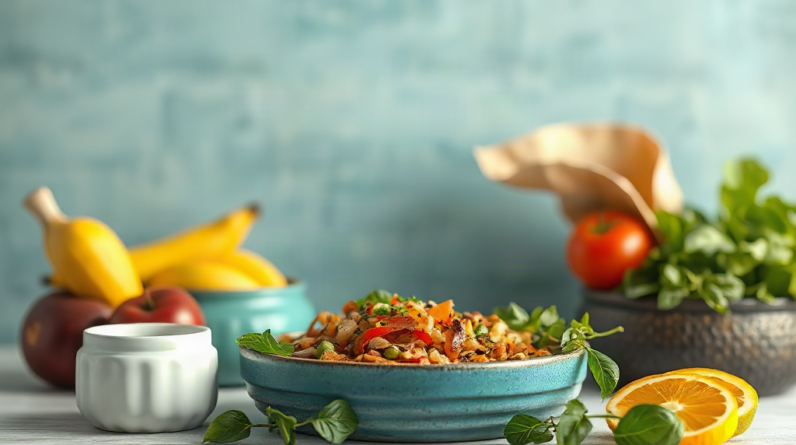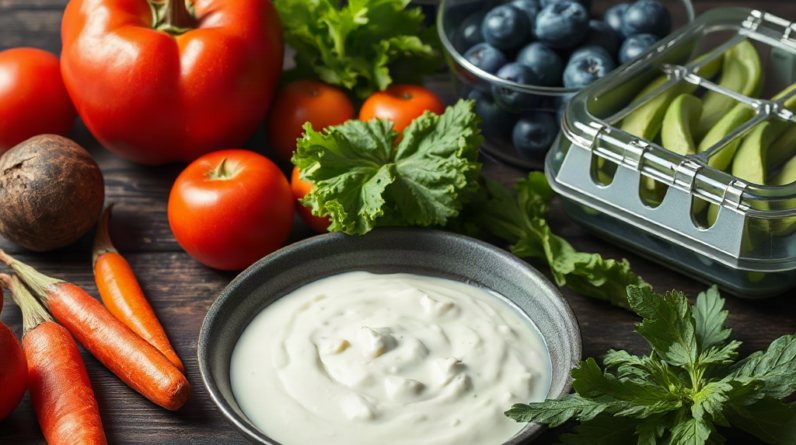
Understanding the role of these foods is essential. For instance, berries are rich in antioxidants that fight oxidative stress, while fatty fish like salmon provide omega-3 fatty acids, known for their anti-inflammatory properties. Leafy greens, such as spinach and kale, offer a wealth of vitamins and minerals that support overall health. Nuts and olive oil not only enhance flavor but also contribute healthy fats that promote inflammation reduction. Prioritizing these foods can help manage inflammation effectively.
Common mistakes include relying solely on supplements or overlooking the importance of a balanced diet. Many people assume that just taking anti-inflammatory supplements is enough, but whole foods provide synergistic benefits that isolated nutrients cannot. Additionally, it’s crucial to limit processed foods, sugars, and trans fats, which can exacerbate inflammation. Focusing on whole, nutrient-dense foods is key to achieving the best results in reducing inflammation.
Top Anti-Inflammatory Foods
Some of the most effective foods for reducing inflammation include berries, fatty fish, leafy greens, nuts, and olive oil. These foods are not only delicious but also provide essential nutrients that help lower inflammation levels.
Berries, such as blueberries and strawberries, contain high levels of antioxidants, particularly anthocyanins, which combat oxidative stress and inflammation. Fatty fish, including salmon and mackerel, are rich in omega-3 fatty acids, which have been shown to significantly reduce markers of inflammation in the body. Leafy greens like spinach and kale are packed with vitamins, minerals, and phytonutrients that support immune function and reduce inflammation.
Incorporating these foods into meals can be simple. For instance, adding a handful of berries to your breakfast or including fatty fish in your weekly meal prep can make a big difference. Prioritizing these foods can lead to better health outcomes and a reduction in inflammatory symptoms.
How These Foods Work
Understanding how specific foods reduce inflammation can help you make informed dietary choices. Foods rich in antioxidants and omega-3 fatty acids play a significant role in modulating inflammatory responses.
Antioxidants help neutralize free radicals, unstable molecules that can cause cellular damage and inflammation. Omega-3 fatty acids, on the other hand, inhibit the production of inflammatory cytokines and eicosanoids, which are compounds that promote inflammation. Foods like olive oil also contain oleocanthal, a compound that has anti-inflammatory properties similar to ibuprofen.
Being aware of the mechanisms behind these foods can help you prioritize them in your diet. For example, choosing to cook with olive oil instead of butter can provide additional anti-inflammatory benefits. Understanding these interactions is crucial for anyone looking to manage inflammation through diet.
Common Mistakes to Avoid
When trying to reduce inflammation through diet, it’s important to avoid common pitfalls that can undermine your efforts. One major mistake is relying solely on supplements instead of whole foods.
Many individuals think that taking anti-inflammatory supplements will suffice, but whole foods offer a complex array of nutrients that work together synergistically. Another mistake is neglecting to cut out processed foods and sugars, which can trigger inflammation. It’s essential to focus on a balanced diet rich in whole, unprocessed foods.
Additionally, incorporating anti-inflammatory foods without considering overall dietary patterns may not yield the desired results. It’s crucial to maintain a holistic approach to nutrition that emphasizes whole foods while minimizing processed options.
Good Health Solution is Easier Than Most People Think!
Take a Look for Yourself!
Practical Tips for Incorporation
Incorporating anti-inflammatory foods into your diet doesn’t have to be complicated. Start by planning meals that include a variety of the recommended foods.
For example, create a weekly meal plan that features fatty fish two to three times a week, along with daily servings of berries and leafy greens. Consider using olive oil as your primary cooking fat and snack on nuts instead of processed snacks. Smoothies are also a great way to include multiple anti-inflammatory foods in one meal.
Prioritize meals that are colorful and diverse, as this often indicates a higher antioxidant content. Remember to listen to your body and adjust your intake based on how you feel, as individual responses to foods can vary.
Further Reading
Authoritative Sources
- NIH National Library of Medicine
ncbi.nlm.nih.govThis resource provides access to a wealth of scientific research on nutrition and inflammation
- Healthline
healthline.comHealthline offers articles on the latest findings in health and nutrition, including anti-inflammatory diets
- Mayo Clinic
mayoclinic.orgMayo Clinic provides expert advice on managing inflammation through dietary choices
Frequently Asked Questions
What are the best foods to reduce inflammation quickly?
Berries, fatty fish, leafy greens, nuts, and olive oil are among the best foods for quick inflammation reduction.
How long does it take for anti-inflammatory foods to work?
While some effects may be felt within days, consistent consumption is key for long-term reduction in inflammation.
Can I take supplements instead of eating these foods?
Whole foods provide a synergistic effect that supplements cannot replicate, making them more effective for reducing inflammation.
Should I avoid all processed foods?
Aim to minimize processed foods, especially those high in sugars and unhealthy fats, as they can trigger inflammation.
What lifestyle changes should I consider?
In addition to diet, regular exercise, adequate sleep, and stress management are crucial for reducing inflammation.
Conclusion
Incorporating foods that reduce inflammation fast is crucial for managing inflammatory conditions effectively. Prioritize nutrient-dense options like berries, fatty fish, leafy greens, nuts, and olive oil to help combat inflammation. Being mindful of dietary patterns, avoiding processed foods, and maintaining a balanced approach will yield the best results. Remember that consistency is key; making these foods a regular part of your diet will lead to significant improvements over time. Focus on whole foods, listen to your body’s responses, and combine these dietary changes with healthy lifestyle practices for optimal results.

Good Health Solution is Easier Than Most People Think!
Take a Look for Yourself!