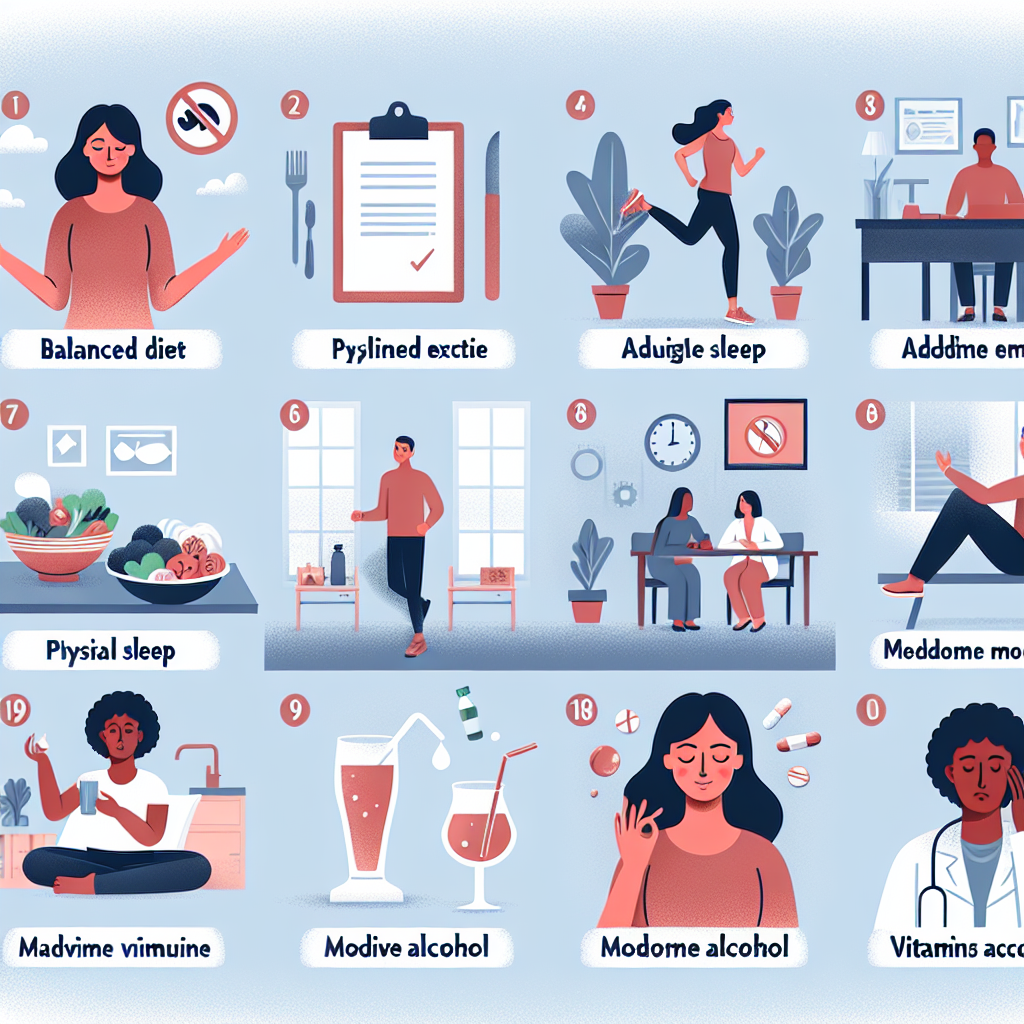
Understanding the impact of daily routines on stress levels is crucial. For instance, many people overlook the importance of sleep and hydration, both of which are fundamental to managing stress effectively. Without adequate rest, the body becomes less capable of handling stressors, leading to a cycle of increased anxiety and fatigue. Prioritizing healthy habits can create a more balanced lifestyle.
Another common mistake is relying solely on temporary stress relievers, such as caffeine or social media, rather than adopting sustainable habits. While these may provide momentary relief, they often exacerbate stress in the long run. Focusing on consistent, healthy practices is key to long-term stress management.
Mindfulness and Meditation Practices
Mindfulness and meditation are powerful tools for reducing stress. These practices encourage individuals to focus on the present moment, which can alleviate anxiety about the future or regrets from the past. Engaging in mindfulness can help cultivate a sense of peace and clarity.
Incorporating mindfulness into daily routines can be as simple as dedicating a few minutes each day to deep breathing exercises or guided meditations. Research indicates that even short sessions can lead to significant reductions in stress. It’s essential to find a method that resonates personally, whether through apps, classes, or self-guided practices.
Moreover, many people underestimate the cumulative benefits of regular practice. Consistency is key; setting aside time each day, even if it’s just 5-10 minutes, can lead to lasting changes in how stress is perceived and managed.
Physical Activity and Stress Reduction
Regular physical activity is a cornerstone of stress management. Exercise triggers the release of endorphins, which are natural mood lifters. Engaging in physical activity not only improves overall health but also serves as a vital outlet for stress relief.
Finding an enjoyable form of exercise is crucial. Whether it’s walking, yoga, dancing, or team sports, the key is to remain active. Many individuals find that incorporating movement into their daily routine, such as taking short walks during breaks or taking the stairs instead of the elevator, can significantly enhance their stress management efforts.
Additionally, it’s important to recognize that overexertion can lead to burnout. Balancing intensity with rest is essential. Prioritizing moderate, enjoyable activities can maintain motivation and prevent feelings of obligation that can contribute to stress.
Nutrition’s Role in Stress Management
Nutrition plays a fundamental role in how the body responds to stress. A balanced diet rich in whole foods, such as fruits, vegetables, whole grains, and lean proteins, can support emotional well-being. Certain nutrients, like omega-3 fatty acids and magnesium, have been shown to reduce anxiety and stress levels.
Conversely, excessive consumption of sugar, caffeine, and processed foods can lead to spikes in stress hormones. Being mindful of dietary choices can create a more stable mood and enhance energy levels. Meal planning and preparation can help individuals make healthier choices, reducing the likelihood of reaching for quick, unhealthy snacks during stressful times.
Moreover, staying hydrated is often overlooked but is equally important. Dehydration can exacerbate feelings of anxiety. Keeping a water bottle handy and setting reminders to drink water throughout the day can promote better hydration and overall health.
Sleep Hygiene for Better Mental Health
Quality sleep is critical for effective stress management. Lack of sleep can impair cognitive function and increase irritability, making it harder to cope with stressors. Establishing a consistent sleep schedule and creating a restful environment can significantly improve sleep quality.
Good Health Solution is Easier Than Most People Think!
Take a Look for Yourself!
Implementing a bedtime routine that promotes relaxation, such as reading or taking a warm bath, can signal to the body that it’s time to wind down. Limiting screen time before bed is also essential, as blue light can disrupt natural sleep cycles.
Furthermore, managing stress during the day can lead to better sleep at night. Techniques such as journaling or setting aside time to reflect on the day can help clear the mind and reduce anxiety, leading to a more restful night’s sleep.
Further Reading
Authoritative Sources
- American Psychological Association: Stress Management
apa.orgA comprehensive resource on stress management techniques and psychological insights
- The Role of Nutrition in Stress Management
ncbi.nlm.nih.govThis article discusses how dietary choices can impact stress and mental health
- Sleep Foundation: Sleep Hygiene
sleepfoundation.orgGuidelines on improving sleep quality to enhance mental health and reduce stress
- Exercise and Stress Relief
healthline.comA detailed look at how physical activity can reduce stress and improve mental wellness
Frequently Asked Questions
What are some quick daily habits to reduce stress?
Quick habits include deep breathing exercises, short walks, and practicing gratitude through journaling.
How does exercise help with stress management?
Exercise releases endorphins, which improve mood and reduce feelings of stress and anxiety.
Can nutrition really affect my stress levels?
Yes, a balanced diet can support mental health, while poor dietary choices may increase stress and anxiety.
Why is sleep important for stress management?
Quality sleep restores energy and cognitive function, making it easier to cope with stressors effectively.
What mindfulness techniques can I practice daily?
Techniques include meditation, focused breathing, and mindful observation of surroundings.
Conclusion
Incorporating daily habits for less stress is crucial for maintaining emotional well-being and resilience. By focusing on mindfulness, physical activity, nutrition, and sleep hygiene, individuals can create a balanced approach to managing stress. Prioritizing these habits not only enhances overall health but fosters a more peaceful and productive life. Start small by integrating one or two habits into your routine, gradually building upon them for lasting change.

Good Health Solution is Easier Than Most People Think!
Take a Look for Yourself!