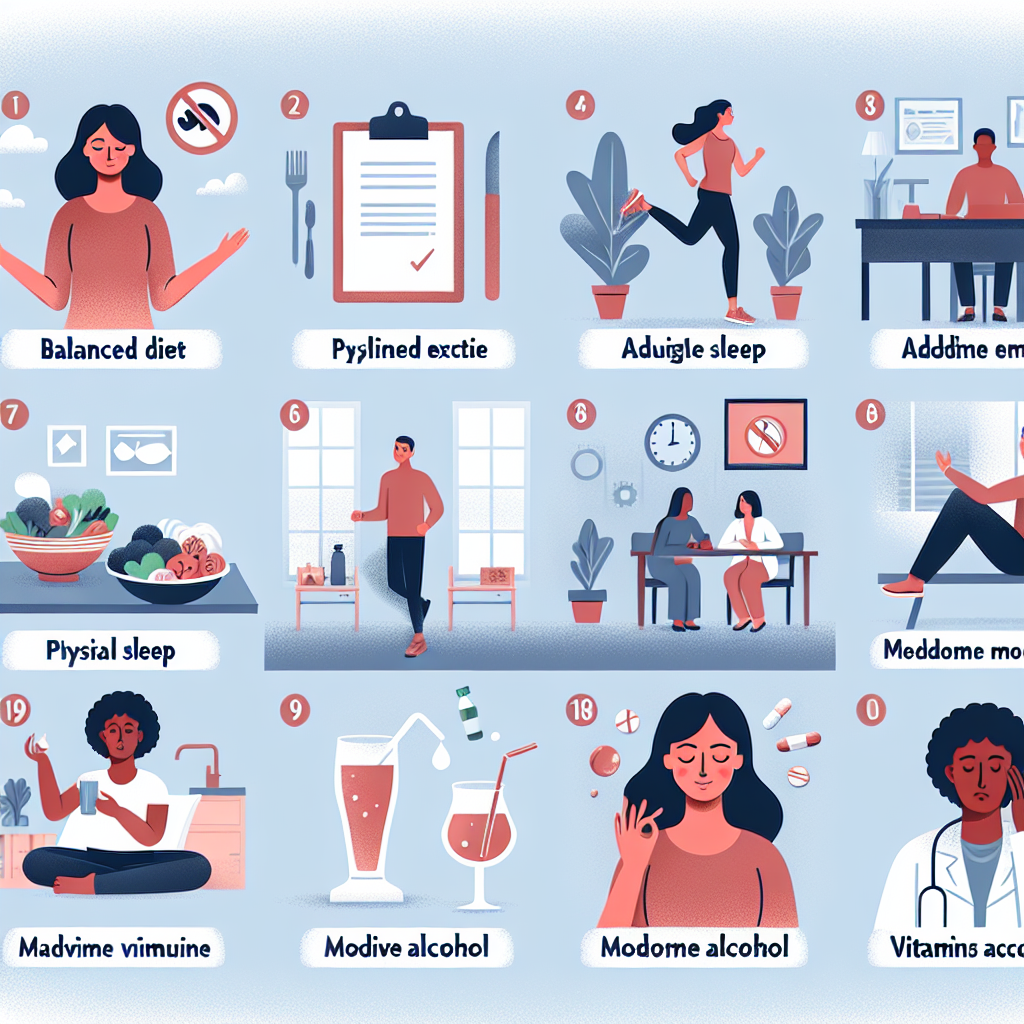
Understanding the underlying causes of low energy is crucial. Factors such as poor diet, inadequate sleep, and lack of physical activity can significantly drain your vitality. Prioritizing hydration and nutrition can yield immediate benefits, while regular exercise and sleep hygiene offer longer-term solutions. It’s essential to recognize common pitfalls, like relying solely on caffeine or sugar, which can lead to energy crashes.
Stay Hydrated for Optimal Energy
Staying hydrated is fundamental to maintaining energy levels. Dehydration can lead to fatigue and decreased cognitive function. Aim for at least eight 8-ounce glasses of water daily, adjusting for activity level and climate. Drinking water can enhance concentration and reduce feelings of tiredness.
To optimize hydration, consider adding electrolytes or consuming hydrating foods like fruits and vegetables. Avoid excessive caffeine and sugary drinks, as they can lead to dehydration and energy crashes later. It’s a common mistake to overlook the importance of hydration in energy management.
Nourish Your Body with Energy-Boosting Foods
Incorporating nutrient-dense foods into your diet can significantly enhance energy levels. Focus on whole grains, lean proteins, and healthy fats. Foods like quinoa, nuts, and fruits provide sustained energy without the spikes and crashes associated with processed sugars.
Plan meals that combine complex carbohydrates with protein to maintain steady blood sugar levels. For example, pairing oatmeal with nuts or yogurt with berries can provide lasting energy. Be cautious of heavy meals that can lead to sluggishness. Prioritizing balanced nutrition is essential for sustained vitality.
Engage in Physical Activity
Regular physical activity is crucial for boosting energy. Even short bursts of exercise can elevate mood and increase energy levels. Activities like brisk walking, stretching, or a quick workout can stimulate blood circulation and enhance oxygen delivery throughout the body.
Establish a routine that includes both aerobic and strength-training exercises. Even small changes, like taking the stairs instead of the elevator, can make a difference. Prioritizing consistent movement helps combat fatigue and improves overall health.
Prioritize Quality Sleep
Quality sleep is essential for energy restoration. Aim for 7-9 hours of sleep per night and establish a consistent sleep schedule. Poor sleep can lead to decreased alertness and energy levels, making it harder to perform daily tasks effectively.
Create a calming bedtime routine to signal your body that it’s time to wind down. Limit screen time before bed, as blue light can interfere with sleep quality. Prioritizing sleep hygiene ensures that you wake up refreshed and ready to tackle the day.
Manage Stress Effectively
Chronic stress can drain your energy and impact overall health. Implementing stress management techniques such as mindfulness, meditation, or deep breathing exercises can enhance mental clarity and reduce fatigue.
Good Health Solution is Easier Than Most People Think!
Take a Look for Yourself!
Identify stressors in your life and develop coping strategies. Regularly engaging in activities you enjoy can also help alleviate stress. Managing stress effectively allows for better energy management and improves your quality of life.
Further Reading
Authoritative Sources
- Energy-Boosting Foods
healthline.comThis source provides a detailed list of foods that can enhance energy levels and improve overall health
- Sleep Hygiene Tips
sleepfoundation.orgLearn about effective sleep practices that can lead to improved energy and overall well-being
- Stress Management Techniques
mayoclinic.orgThis resource offers practical strategies for managing stress and enhancing energy levels
Frequently Asked Questions
What are quick ways to boost energy levels?
Quick ways to boost energy include drinking water, eating a healthy snack, taking a brisk walk, or doing some stretches.
How does hydration affect energy?
Hydration is crucial for maintaining energy levels; even mild dehydration can lead to fatigue and decreased alertness.
What foods should I eat for more energy?
Foods rich in complex carbohydrates, proteins, and healthy fats, such as whole grains, nuts, and fruits, provide sustained energy.
How much sleep do I need for optimal energy?
Aim for 7-9 hours of quality sleep per night to restore energy levels and improve overall health.
What role does exercise play in energy levels?
Regular exercise boosts energy by improving circulation, increasing oxygen flow, and enhancing mood.
Conclusion
Improving energy levels fast requires a multifaceted approach, including hydration, balanced nutrition, regular exercise, quality sleep, and stress management. Prioritize these strategies to combat fatigue effectively. Start by making small changes in your daily routine, and you’ll likely notice a significant boost in your energy and overall vitality.

Good Health Solution is Easier Than Most People Think!
Take a Look for Yourself!