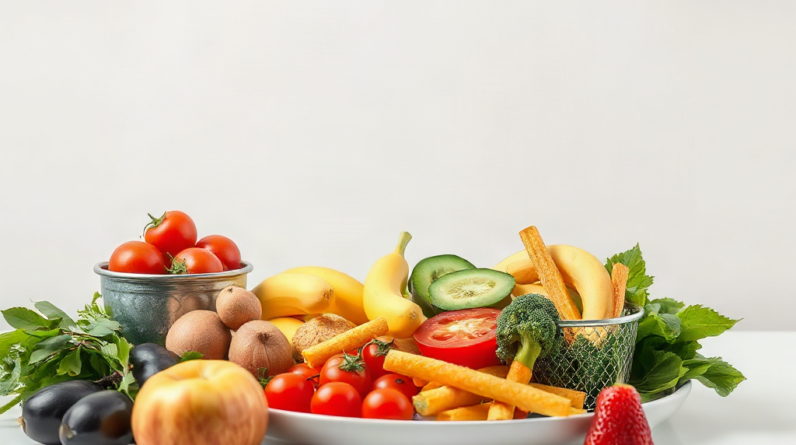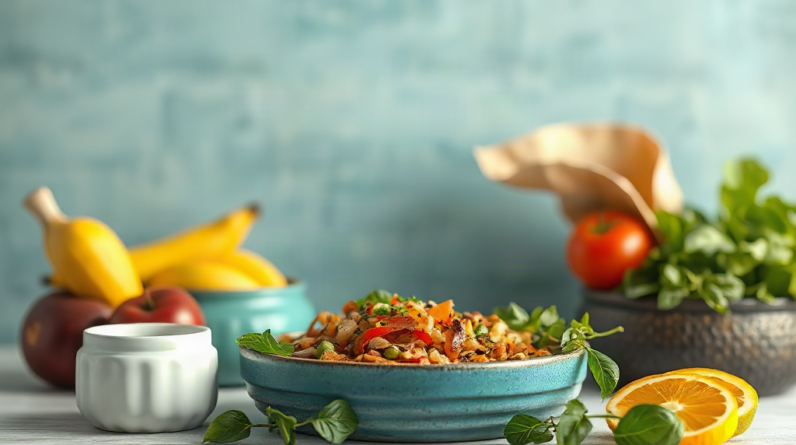

A Whole Food Diet for Beginners is not just a trend; it’s a lifestyle shift that can significantly enhance your overall health. By focusing on foods that are as close to their natural state as possible, you can improve your nutrient intake and reduce the consumption of harmful additives and preservatives found in processed foods. This diet encourages the incorporation of whole grains, fruits, vegetables, nuts, and seeds, which are packed with vitamins, minerals, and fiber essential for optimal health.
However, the transition to a whole food diet can present challenges. Many beginners make the mistake of trying to overhaul their entire diet overnight, leading to frustration and potential burnout. It’s crucial to approach this change gradually, focusing on small, sustainable adjustments rather than drastic alterations. Understanding the common pitfalls, such as falling back into old habits or feeling overwhelmed by the variety of choices available, can help you navigate this journey more effectively.
Understanding Whole Foods
Whole foods are ingredients that are minimally processed and free from artificial substances. This category includes fresh fruits, vegetables, whole grains, legumes, nuts, and seeds. The essence of a whole food diet lies in its simplicity; it encourages eating foods in their most natural forms. Understanding what qualifies as a whole food is critical for beginners, as many products marketed as healthy can still contain additives or refined ingredients.
Many people mistakenly believe that all foods labeled as “natural” or “organic” are whole foods. This misconception can lead to poor dietary choices. It’s essential to read labels carefully and prioritize foods that are truly whole. For instance, opting for brown rice over white rice or choosing whole grain bread instead of white bread can make a significant difference in your nutritional intake.
Benefits of Whole Foods
Adopting a Whole Food Diet offers numerous health benefits. These foods are generally higher in vitamins, minerals, and antioxidants, which can help reduce the risk of chronic diseases such as heart disease, diabetes, and obesity. Moreover, whole foods are rich in dietary fiber, which aids in digestion and promotes a feeling of fullness, making it easier to maintain a healthy weight.
Furthermore, a whole food diet can lead to improved energy levels and better mental clarity. Many individuals report feeling more vibrant and focused after making the switch. However, it’s important to note that these benefits may take time to manifest. Patience is key, as your body may need to adjust to a new way of eating.
Common Mistakes to Avoid
One of the most common mistakes beginners make is focusing too heavily on what they can’t eat instead of what they can. This negative mindset can lead to feelings of deprivation and ultimately result in giving up on the diet altogether. It’s crucial to shift your focus towards the abundance of delicious whole foods available.
Another pitfall is relying too much on packaged whole food products, such as whole grain snacks or organic cereals. While these can be better choices than their processed counterparts, they can still contain added sugars and preservatives. Always prioritize whole, unprocessed foods whenever possible.
Practical Tips for Transitioning
Transitioning to a Whole Food Diet doesn’t have to be overwhelming. Start by incorporating one or two whole food meals into your week, gradually increasing as you become more comfortable. Meal prepping can also be an effective strategy, allowing you to have healthy options readily available and reducing the temptation to reach for processed snacks.
Good Health Solution is Easier Than Most People Think!
Take a Look for Yourself!
Additionally, explore local farmers’ markets or community-supported agriculture (CSA) programs to access fresh, seasonal produce. This not only supports local farmers but also makes it easier to incorporate a variety of whole foods into your diet. Lastly, connect with communities or online forums focused on whole food diets for support and recipe ideas.
Further Reading
Authoritative Sources
- Whole Foods Market
wholefoodsmarket.comA comprehensive resource for recipes, tips, and the benefits of whole foods
- Eat Whole Foods
eatwholefoods.comA detailed guide on transitioning to a whole food diet with practical advice
Frequently Asked Questions
What foods are considered whole foods?
Whole foods include fresh fruits, vegetables, whole grains, nuts, seeds, and legumes that are minimally processed.
Can I lose weight on a whole food diet?
Yes, a whole food diet can aid in weight loss due to its focus on nutrient-dense, low-calorie foods that promote satiety.
How do I start a whole food diet?
Begin by gradually replacing processed foods with whole food options, focusing on incorporating more fruits and vegetables into your meals.
Are whole food diets expensive?
While some whole foods can be pricey, buying seasonal produce and bulk items can help manage costs effectively.
Is a whole food diet suitable for everyone?
Most people can benefit from a whole food diet, but those with specific dietary restrictions should consult a healthcare professional.
Conclusion
Embracing a Whole Food Diet for Beginners is a powerful step towards improving your health and well-being. Focus on making gradual changes, prioritize whole, unprocessed foods, and be mindful of the common mistakes that can derail your efforts. By taking a thoughtful approach, you can enjoy the numerous benefits of a whole food lifestyle, leading to lasting health improvements. Start today by exploring new recipes and incorporating more whole foods into your meals.

Good Health Solution is Easier Than Most People Think!
Take a Look for Yourself!