Eating well is vital for overall health and well-being. A diverse and nutritious healthy diet food list can significantly improve your life quality, aiding in everything from weight management to chronic disease prevention. But what exactly should this list include? As you explore your options, consider how a variety of foods can cater to your taste preferences while ensuring your nutritional needs are met. In this article, we will delve into the essentials of a healthy diet food list and provide you with practical tips to maintain a balanced diet for lasting wellness.
The foundation of a healthy lifestyle lies in understanding what constitutes a healthy diet. This article aims to equip you with a comprehensive healthy diet food list that will help you revitalize your plate and embrace a more nutritious way of living. From fruits and vegetables to whole grains and lean proteins, let’s explore the vital components that should fill your shopping cart.
Understanding the Healthy Diet Food List
When embarking on a journey toward a healthier lifestyle, the first step is to comprehend what a healthy diet food list encompasses. This list serves as a guide for making better eating choices and includes a variety of food groups that provide essential nutrients.
What Makes a Diet Healthy?
To qualify as healthy, a diet must be well-rounded and include:
– Variety: Incorporate different types of foods to ensure you receive all essential nutrients.
– Balance: Maintain appropriate portions of each food group to avoid excesses or deficiencies.
– Moderation: Limit the intake of processed foods, sugars, and unhealthy fats.
– Nutrient Density: Prioritize foods that are rich in vitamins, minerals, and other beneficial compounds.
Understanding these principles will help you create a personalized healthy diet food list that meets your individual needs.
Key Components of a Healthy Diet
A successful healthy diet food list includes several key components. Here, we’ll explore the main food groups and why they are crucial for your health.
Fruits and Vegetables
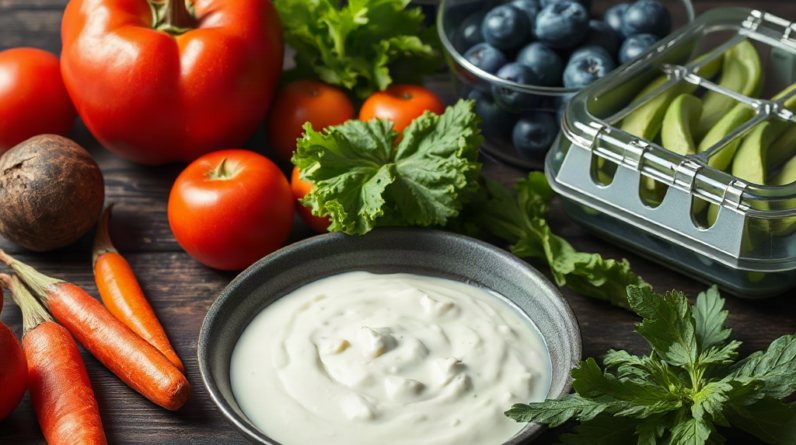
Fruits and vegetables are rich in vitamins, minerals, and fiber. They should make up a significant portion of your daily intake. Aim for a variety of colors and types:
– Berries: Blueberries, strawberries, and raspberries are high in antioxidants.
– Leafy Greens: Spinach, kale, and Swiss chard are nutrient powerhouses.
– Cruciferous Vegetables: Broccoli, cauliflower, and Brussels sprouts offer unique health benefits.
Incorporating a mix of these foods will ensure that your healthy diet food list is packed with essential nutrients.
Whole Grains
Whole grains are an excellent source of complex carbohydrates, fiber, and other nutrients. Consider adding the following to your meals:
1. Brown Rice
2. Quinoa
3. Oats
4. Whole Wheat Bread
These grains not only support digestive health but also provide sustained energy throughout the day.
Lean Proteins
Protein is essential for muscle repair and overall health. Choose lean sources, such as:
– Poultry: Chicken and turkey breast
– Fish: Salmon, mackerel, and tuna
– Legumes: Lentils, chickpeas, and black beans
Including these options in your healthy diet food list will help you meet your protein needs without excess saturated fat.
Top Foods to Include in Your Healthy Diet Food List
Creating a well-rounded healthy diet food list means including specific foods that contribute to a balanced diet. Here are some top choices:
Superfoods to Consider
Superfoods are nutrient-dense options that can enhance your health. Here are some to add to your list:
– Avocados: Packed with healthy fats and fiber.
– Chia Seeds: A great source of omega-3 fatty acids and protein.
– Nuts: Almonds, walnuts, and pistachios offer beneficial fats and protein.
These foods not only boost nutrition but also add variety to meals and snacks.
Healthy Fats
Fats are essential for hormone production and nutrient absorption. Focus on healthy fat sources like:
– Olive Oil: Great for cooking and dressings.
– Fatty Fish: Provides omega-3s for heart health.
– Nut Butters: A tasty way to add healthy fats to smoothies or snacks.
Incorporating these fats into your healthy diet food list can help maintain energy levels and support overall health.
Tips for Maintaining Your Healthy Diet
Implementing a healthy diet food list is only part of the journey; maintaining it is where the real challenge lies. Here are some actionable tips:
Meal Planning Strategies
1. Plan Ahead: Dedicate time each week to plan meals and snacks.
2. Grocery Shopping: Create a shopping list based on your meal plan to avoid impulse buys.
3. Batch Cooking: Prepare meals in advance to save time and ensure healthy options are always available.
These strategies can simplify the process of sticking to your healthy eating goals.
Mindful Eating Practices
– Listen to Your Body: Pay attention to hunger cues and eat when you’re genuinely hungry.
– Limit Distractions: Try to eat without screens or multitasking to enjoy the experience fully.
– Savor Your Food: Take time to appreciate flavors, which can help prevent overeating.
By cultivating mindful eating habits, you can enhance your relationship with food and make healthier choices more consistently.
References and Resources
These resources provide valuable information about the healthy diet food list. Check them out for additional insights:
Frequently Asked Questions
What should be included in a healthy diet food list?
A healthy diet food list should include a variety of fruits, vegetables, whole grains, lean proteins, and healthy fats. It’s essential to focus on nutrient-dense foods that provide vitamins, minerals, and other beneficial compounds.
How can I create my own healthy diet food list?
Start by assessing your dietary needs and preferences. Include a variety of foods from different food groups. Research healthy options and consult resources such as the USDA’s MyPlate or other dietary guidelines to ensure you’re covering all nutritional bases.
Is a healthy diet food list the same for everyone?
No, a healthy diet food list can vary based on individual health conditions, dietary restrictions, and personal preferences. It’s important to tailor your list to fit your unique lifestyle and nutritional needs.
How often should I update my healthy diet food list?
Updating your healthy diet food list can depend on changes in your health, seasonality of produce, or new dietary research. Regularly review and adjust your list to incorporate fresh foods and ensure it meets your health goals.
What are some quick meals from a healthy diet food list?
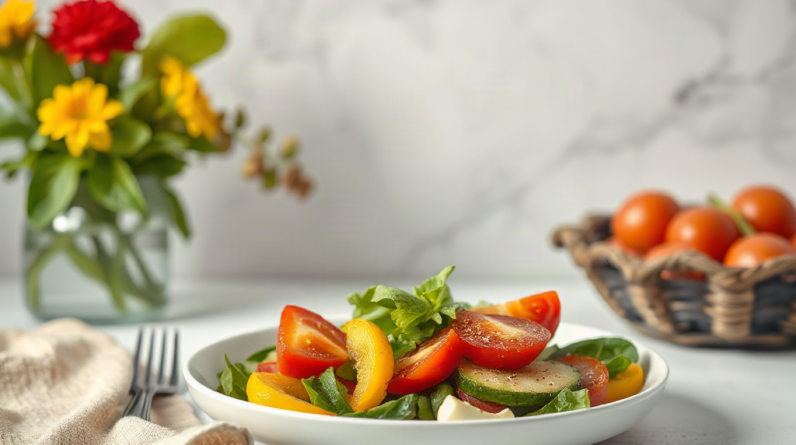
Quick meals can include salads with mixed greens, cherry tomatoes, and grilled chicken; smoothies with spinach, banana, and almond milk; or whole grain wraps filled with hummus, fresh veggies, and turkey. These options are nutritious and easy to prepare.
Further Reading
Authoritative Sources
- 4 healthy diets that could extend your life: study
foxnews.comAll share key components including whole grains, fruits, vegetables, nuts and legumes, although other components differ across different eating ...
- US News and World Report releases list of best diets
wcvb.comThe diet focuses on "10 brain-healthy food groups: green leafy vegetables in particular, all other vegetables, nuts, berries, beans, whole ...
- MyPlate for Older Adults: A Nutritional Guide for Aging Well
planetdrugsdirect.comA healthy plate for older adults should include a variety of fruits, vegetables, whole grains, lean proteins, low-fat dairy products, and ...
- Creating a Sustainable Diet Plan for Long-Term Wellness and ...
meridianweightloss.comFoods in their most natural state—fruits, vegetables, lean meats, fish, whole grains, and legumes—offer the highest nutritional value with fewer ...
Conclusion
In conclusion, a well-structured healthy diet food list can be transformative for your overall health and wellness. By focusing on variety, balance, and nutrition, you can create meals that not only nourish but also satisfy your taste buds. Remember, the journey to better health starts with small, intentional changes in your eating habits.
As you take this knowledge forward, consider how you can implement these insights into your daily life. Whether you’re restructuring your meals or simply adding a few new items to your shopping list, every step counts toward lasting wellness. Embrace the opportunity to revitalize your plate today!